
Aphids
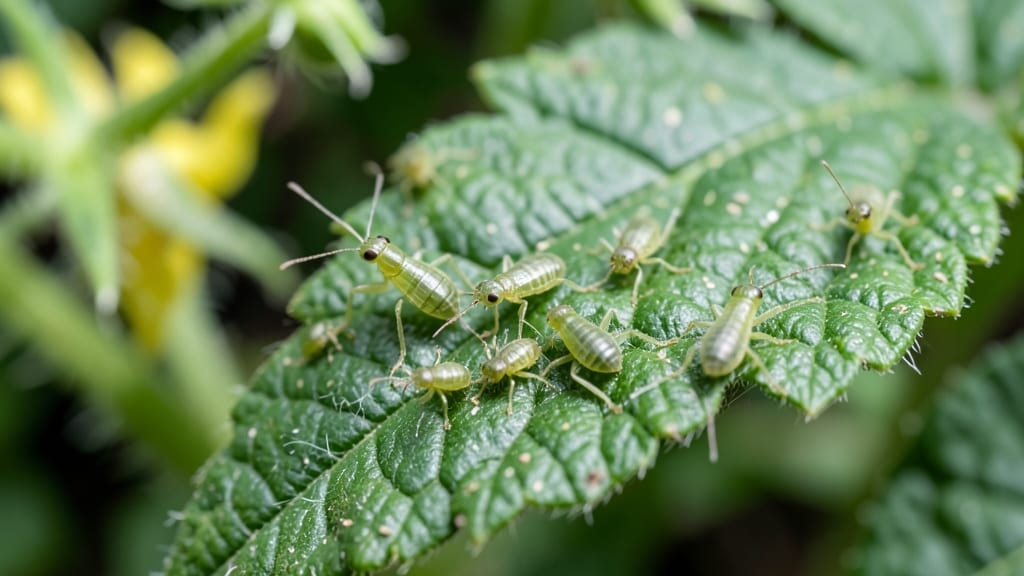
Aphids on tomato leaves turn your plants into sticky, curled messes faster than you can say "harvest fail." 🌱 I've battled these tiny green invaders for years, and neem oil isn't just another remedy—it's the 24-hour game-changer that actually works when you apply it right.
The first time I saw my tomato plants bounce back after just one treatment, I knew this was the secret weapon gardeners need.
These sap-sucking pests don't just weaken your plants—they leave behind a shiny, sticky residue called honeydew that attracts mold and ruins fruit quality. Worse, they multiply like crazy, so waiting too long means more work later.
Neem oil disrupts their life cycle while being safe for your tomatoes (and your family), but timing and concentration matter—use it wrong, and you'll waste your effort. I'll show you exactly how to mix it and when to spray for maximum impact.
Within 24 hours of proper application, you'll see aphids dropping off like it's raining bugs. Your tomato leaves will start unfurling, and new growth will emerge stronger than before.
The best part? This method prevents future infestations when used as part of your regular care routine. No more losing your entire harvest to these tiny green menaces.
Works for greenhouse tomatoes, container plants, and in-ground gardens alike—just adjust the spray volume for your setup. Here's how to turn your tomato plants from aphid-ridden disasters back into thriving producers, fast.
Root Causes of Tiny Leaf Invaders
Aphids on your tomato plants aren’t just a random annoyance—they’re the result of specific conditions that make your garden a five-star buffet for these sap-sucking pests. Understanding why they show up is the first step to kicking them off for good. Let’s break down the science behind their uninvited visits.
Aphids thrive where tomatoes feel overwhelmed. When plants are packed too closely together, airflow stagnates, humidity rises, and leaves stay damp longer—creating the perfect aphid hotel. Stress from overcrowding weakens natural defenses, making your tomatoes an easy target.
Here’s the science:
- Reduced photosynthesis: Crowded plants compete for sunlight, leading to weaker growth and stunted immune responses.
- Higher humidity: Aphids love moisture. Dense foliage traps humidity, signaling them that your plants are tender and full of sweet sap.
- Nutrient competition: Overcrowding depletes soil nutrients faster, leaving tomatoes malnourished and more susceptible to pests.
Actionable fix: Space tomato plants 18–24 inches apart to improve airflow and sunlight exposure. Prune lower leaves to reduce hiding spots.
Aphids are drawn to the tastiest parts of your tomato plants—new shoots and tender leaves. Why? Because young growth is packed with high-sugar sap, which aphids crave like we crave ice cream. The stickier the sap, the more attractive it is to them.
Key triggers:
- Excess nitrogen: Fertilizers high in nitrogen (like fresh manure or overused blood meal) boost leafy growth but also increase sap sweetness.
- Rapid growth spurts: After pruning or heavy rain, tomatoes shoot up new growth, which aphids detect within hours.
- Young seedlings: Seedlings are aphid magnets because their sap is less bitter and more nutrient-dense.
Actionable fix: Use a balanced fertilizer (like 10-10-10) and avoid over-fertilizing. If you spot aphids on new growth, isolate the plant and treat it immediately with neem oil.
Aphids don’t just appear out of nowhere—they’re often outcompeting or outsmarting their natural enemies. Gardens with few ladybugs, lacewings, or parasitic wasps see aphid populations explode because there’s nothing to keep them in check.
Common reasons predators vanish:
- Pesticide overuse: Broad-spectrum chemicals (like synthetic pyrethroids) kill aphids and their predators, leaving your plants defenseless.
- Monoculture gardening: Planting only tomatoes (or other solanaceous plants) creates a aphid paradise with no diversity for predators to feed on.
- Lack of habitat: Without flowering plants or shrubs nearby, beneficial insects have nowhere to nest or forage.
Actionable fix: Plant companion flowers like marigolds, dill, or alyssum to attract predators. Avoid harsh pesticides—opt for neem oil or insecticidal soap instead.
Aphids are opportunistic, and they time their attacks based on weather. Warm, rainy springs followed by dry summers create the perfect aphid boom. Here’s how:
| Weather Condition | Why Aphids Love It |
|---|---|
| Cool, damp springs | Slows natural predators (like ladybugs) but keeps aphids reproducing rapidly. |
| Hot, dry summers | Aphids cluster on shaded, moist leaves to avoid desiccation. |
| Sudden temperature swings | Stresses plants, making them release more sugars in their sap. |
Actionable fix: Monitor weather forecasts and treat preventatively before aphids arrive. Use mulch to regulate soil moisture and reduce stress on plants.
Now that you know why aphids crash your tomato party, you’re ready to crash theirs—starting with a neem oil blastoff! 🚀
Quick Fixes for Tiny Leaf Invaders
Aphids may be small, but their damage can feel enormous—especially when they’re feasting on your tomato plants. The good news? You don’t need harsh chemicals to kick them out. With the right approach, you can restore your plants in 24 hours and keep future infestations at bay.
Below, we break down the cause-based solutions to tackle aphids effectively, plus prevention tips to protect your garden long-term.
Aphids love weak, crowded plants because they’re easier to attack. If your tomatoes are overgrown or under stress (from drought, poor soil, or too much shade), aphids will move in like uninvited guests at a buffet.
How to Fix It:
- 🍳 Prune aggressively – Trim back overgrown branches to improve airflow and sunlight exposure. Focus on the bottom leaves (aphids love hiding there).
- 👨🍳 Boost plant health – Feed your tomatoes with a balanced fertilizer (high in phosphorus and potassium) to make them tougher. A compost tea or fish emulsion works wonders.
- 🥘 Water deeply but less often – Aphids thrive in dry, dusty conditions. Water at the base (not the leaves) to keep plants hydrated and discourage pests.
💡 Pro Tip: If your soil is compacted, loosen it gently with a fork to help roots breathe. Healthy plants = fewer aphid snacks!
Aphids are squishy and vulnerable to contact sprays. Neem oil, insecticidal soap, and homemade remedies can smother them in minutes without harming your plants (or you!).
How to Fix It:
| Solution | How to Use | Best For |
|---|---|---|
| Neem Oil Spray | Mix 1 tsp neem oil + 1 tsp mild soap + 1 quart water. Spray directly on aphids (especially undersides of leaves). Repeat every 3-5 days for 24-hour coverage. | Heavy infestations, organic gardens |
| Insecticidal Soap | Spray undiluted on aphids (test on a small leaf first). Works in 10-30 minutes. | Fast knockdown, gentle on plants |
| Homemade Garlic Spray | Blend 4 garlic cloves + 1 tsp cayenne pepper + 1 quart water. Strain and spray. Aphids hate the smell! | Prevention & mild infestations |
| Horticultural Oil | Apply in early morning or late evening (avoid direct sun). Smothers aphids. | Persistent infestations |
⏰ Timing Matters: Spray early in the day so the solution has time to dry before evening dew forms.
Instead of fighting aphids alone, enlist nature’s cleanup crew. Beneficial insects like ladybugs, lacewings, and parasitic wasps eat aphids for breakfast.
How to Fix It:
- 🌿 Attract them with companion plants – Plant dill, fennel, marigolds, or alyssum near your tomatoes to lure predators.
- 🐞 Buy them online – Order ladybug eggs or lacewing larvae from garden centers. Release them at dusk when aphids are most active.
- 🌡️ Avoid pesticides – Even "safe" sprays can kill beneficial bugs. Stick to targeted treatments (like neem oil) to protect your allies.
✨ Bonus: If you see tiny white eggs or black "mummy" aphids, parasitic wasps are already hard at work—let them do their job!
The best defense is a strong offense. Keep aphids from moving in with these low-effort habits:
- 🌱 Start with healthy seedlings – Buy from reputable nurseries or grow your own from seed to avoid contaminated plants.
- 🌿 Rotate crops – Don’t plant tomatoes in the same spot every year (aphids and their eggs linger in soil).
- 🌿 Use reflective mulch – Silver or aluminum mulch confuses aphids and deters them from landing.
- 🌿 Inspect new plants – Quarantine new additions for a week before introducing them to your garden.
Final Reminder: Aphids are easy to beat when you act fast. Neem oil + pruning + beneficial insects = a 24-hour aphid eviction notice. Try one method today, and watch your tomato plants bounce back! 🚀
Frequently asked questions
How do I know if my tomato plants have aphids?
Look for tiny green, black, or yellow bugs clustered on new growth or leaf undersides. You’ll also spot curled, sticky leaves (from honeydew) and black sooty mold on fruits. Check stems and buds too—aphids love tender spots.
Will neem oil harm my tomato plants if used correctly?
No, when mixed properly (1 tsp neem oil + 1 tsp mild soap + 1 quart water), it’s safe for tomatoes. Just avoid spraying in direct sun or extreme heat—it can cause leaf burn. Always test on a small area first.
Why do aphids keep coming back after I treat them?
They’re persistent because they reproduce fast (new generations every 7-10 days) and often have eggs hidden in crevices. Reapply treatments every 3-5 days and remove heavily infested leaves to break their cycle.
Can I use dish soap to kill aphids on tomatoes?
Yes! Mix 1 tablespoon mild dish soap + 1 quart water in a spray bottle. It works by suffocating aphids, but avoid harsh detergents—they can damage leaves. Test on a small area first and reapply every 2-3 days.
Will ladybugs actually eat all my aphids?
One ladybug can eat 50-100 aphids daily, but you’ll need thousands to control a large infestation. Release them at dusk when aphids are active, and plant companion flowers (like marigolds) to keep them around long-term.