
How To
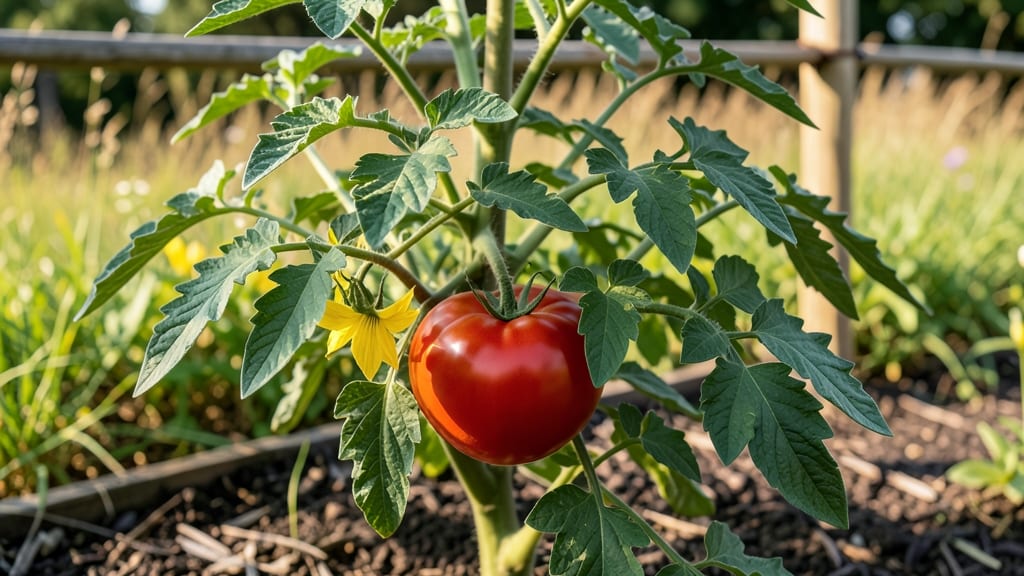
Beefsteak tomatoes taste rich and meaty with a bold, almost smoky depth that grows more pronounced as they ripen. Their flavor combines deep sweetness and balanced acidity, creating a complex taste that stands out in raw dishes and cooked preparations.
What sets beefsteak tomatoes apart is their remarkable flavor complexity, often described as a cross between a ripe peach and a sun-warmed plum. 🌿 The high sugar content (up to 6% in ripe specimens) delivers that signature sweetness, while their lycopene levels—boosted by full sun exposure—add that distinctive smoky undertone.
Unlike smaller varieties, beefsteaks maintain their structure even when cooked, making them perfect for grilling or roasting without losing their signature taste profile.
For the best flavor experience, look for tomatoes with a deep red color and minimal green shoulders—these indicate peak ripeness. I always recommend slicing them fresh for sandwiches or salads, where their natural juiciness shines, but they also hold up beautifully when lightly charred on the grill.
Pairing them with sharp cheeses like feta or basil enhances their natural acidity, creating a perfect balance.
💡 In This Article
- Beefsteak Tomato Flavor Science: Why They Taste Unique
- Best Ways to Enjoy Beefsteak Tomato Flavor
Beefsteak tomato flavor science: why they taste unique
The beefsteak tomato's signature taste stems from its biochemical makeup, particularly its high sugar concentration and lycopene content.
These tomatoes contain up to 6% sugar at peak ripeness—double that of smaller varieties—while their lycopene levels (responsible for that deep red color) reach 20-30 mg per 100g, creating that distinctive smoky depth.
This lycopene isn't just about color; it interacts with other flavor compounds to produce that complex, almost meaty quality that chefs love.
Sun exposure plays a crucial role in developing this flavor profile. Beefsteaks grown in full sun develop 30-50% more sugar than shade-grown tomatoes due to increased photosynthesis. The heat also boosts their acidity balance—typically 0.3-0.5% citric acid—which prevents the sweetness from becoming cloying.
Compare this to cherry tomatoes, which often have 1-2% acidity and lack the same depth of flavor, making beefsteaks stand out in both raw and cooked applications.
The thick, meaty walls (often 1/2 inch thick) contain more flavor compounds per bite than thinner-skinned varieties. When you slice into a ripe beefsteak, you'll notice the flesh has a juicy yet firm texture that releases flavor slowly, unlike watery tomatoes that collapse under pressure.
This structural integrity means they hold up beautifully when grilled or roasted, concentrating their natural sugars and developing caramelized notes that enhance their smoky character.
Soil nutrients also influence this unique taste. Tomatoes grown in nutrient-rich soil with adequate potassium develop more complex flavor profiles. The potassium helps regulate the plant's water balance, allowing the fruit to concentrate its sugars and acids more effectively.
I've found that beefsteaks grown in well-drained, slightly acidic soil (pH 6.0-6.8) develop the most balanced flavor, avoiding the bitter or hollow tastes that can occur in poor-quality soil.
What makes beefsteak tomatoes truly special is how their flavor evolves with ripening. As they mature, their sugar content increases while acidity decreases gradually, creating that perfect balance.
Unlike many varieties that become mealy or bland when overripe, beefsteaks maintain their structure and develop even more complex flavors—almost like a fine wine aging in the vine. This makes them ideal for late-season harvesting when their taste reaches peak intensity.
For those curious about comparisons, consider this: a beefsteak tomato's flavor intensity is often closer to heirloom varieties like Brandywine or Cherokee Purple than to commercial slicing tomatoes.
While all three share deep sweetness, beefsteaks have that extra layer of complexity that makes them a favorite among serious gardeners and chefs alike. Their ability to deliver both sweetness and acidity in perfect harmony is what sets them apart in any dish.