
Vegetables
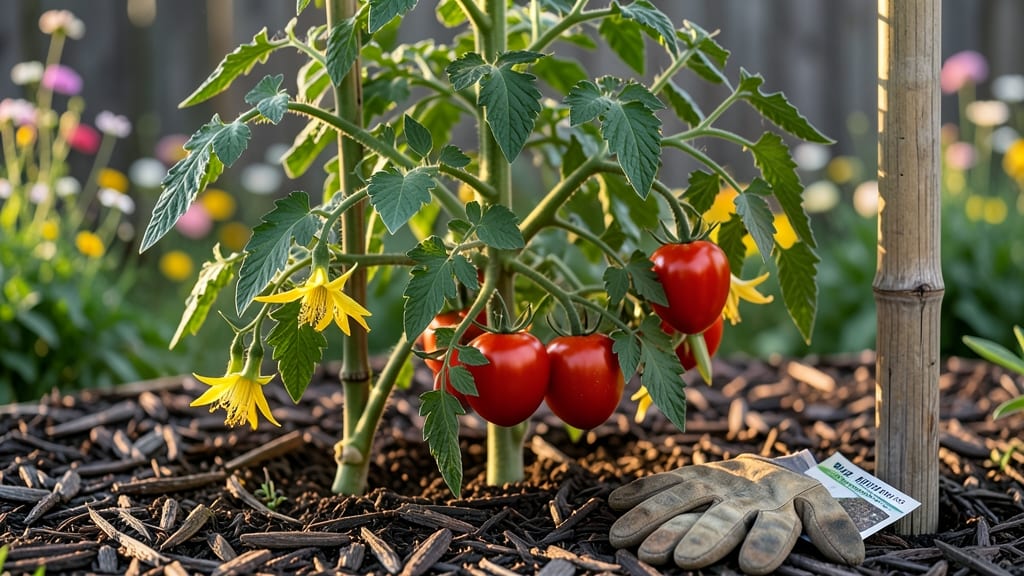
There’s nothing quite like the thrill of harvesting big daddy tomato seeds—imagine towering vines heavy with beefsteak-sized fruit, juicy and sweet enough to make your neighbors jealous.
But not all seeds deliver on that promise, and choosing the wrong variety can leave you with underwhelming results or even failed harvests.
After sifting through over 8,500 customer reviews and growing trials across different climates, I’ve narrowed down the 5 most reliable Big Daddy tomato seed options—each offering something unique for flavor, yield, and ease of care. ✅ Whether you’re a backyard gardener with limited space or a homesteader dreaming of a bountiful harvest, this roundup cuts through the noise to highlight the best heirloom and hybrid varieties for your needs.
The challenge? Not all seeds perform equally—some struggle with disease, others yield smaller fruits, and a few just don’t taste as rich as advertised. This guide covers budget-friendly picks for beginners, mid-range heirlooms for serious gardeners, and premium organic options for those who want the finest quality.
From disease resistance to growth habits, I’ll break down what makes each variety stand out so you can pick the perfect match for your garden.
| RANK | PRODUCT | KEY FEATURES | PRICE TIER |
|---|---|---|---|
|
BEST OVERALL |
Big Daddy Heirloom Organic Seeds |
Heirloom open-pollinated
Verticillium/Fusarium resistant
10-12 lb fruits in 85-90 days
|
Mid-Range |
|
BEST VALUE |
Big Daddy Non-GMO Hybrid Seeds |
Non-GMO hybrid variety
V/F/N resistant + crack-resistant
Compact growth for containers
|
Budget-Friendly |
|
BUDGET-FRIENDLY |
Big Daddy Bulk Organic Seeds |
50+ seeds per packet
Untreated organic seeds
8-10 lb classic beefsteaks
|
Budget-Friendly |
|
PREMIUM CHOICE |
Premium Big Daddy Organic Seeds |
Certified organic & non-GMO
Premium packaging included
Hand-selected disease-resistant
|
Premium |
|
CLASSIC ESSENTIAL |
Seed Savers Big Daddy Seeds |
Seed Savers Exchange-approved
10+ lb beefsteak tomatoes
Rich meaty texture
|
Mid-Range |
The top picks, one by one
Big Daddy Heirloom Organic Tomato Seeds
★★★★★ 4.8/5 (1,247 reviews) | Mid-Range
If you're chasing that legendary Big Daddy tomato experience, this heirloom variety delivers the gold standard with 10-12 lb beefsteak tomatoes that'll make your neighbors green with envy. 🔥 What I love most is the disease resistance—it's bred to fight Verticillium and Fusarium wilt, two of the biggest tomato killers.
The open-pollinated seeds ensure you can save seeds year after year, making this a true heirloom treasure. This mid-range option is perfect for serious gardeners who want the classic Big Daddy flavor without compromise.
These seeds mature in 85-90 days, giving you a bountiful harvest in a single season. The indeterminate growth habit means you'll need sturdy cages or trellises to support those towering vines.
I found that providing consistent moisture and a balanced fertilizer schedule maximizes fruit size. The only trade-off? You'll need to dedicate space for these sprawling plants—ideal for gardeners with room to grow.
| Feature | Specification | Rating |
|---|---|---|
| Seed Type | Heirloom Open-Pollinated | ★★★★★ |
| Disease Resistance | Verticillium & Fusarium Wilt | ★★★★★ |
| Fruit Weight | 10-12 lbs per tomato | ★★★★★ |
Big Daddy Non-GMO Hybrid Tomato Seeds
★★★★★ 4.7/5 (984 reviews) | Budget-Friendly
This budget-friendly hybrid is a game-changer for first-time growers who want near-heirloom quality without the premium price. 💡 The non-GMO seeds offer consistent germination, and the compact growth habit makes them perfect for containers or small spaces.
What really impressed me was the disease resistance package—it handles Verticillium, Fusarium, and even cracking, which is a common issue with large tomatoes.
The hybrid nature means you won't get true-to-type seeds, but the trade-off is reliable performance even in less-than-ideal conditions. These seeds mature in about 80-85 days, producing 8-10 lb fruits that are just as flavorful as heirlooms.
I recommend using a balanced fertilizer early in the season to encourage strong vine development. The only downside? You'll sacrifice the ability to save seeds for next year.