
Vegetables
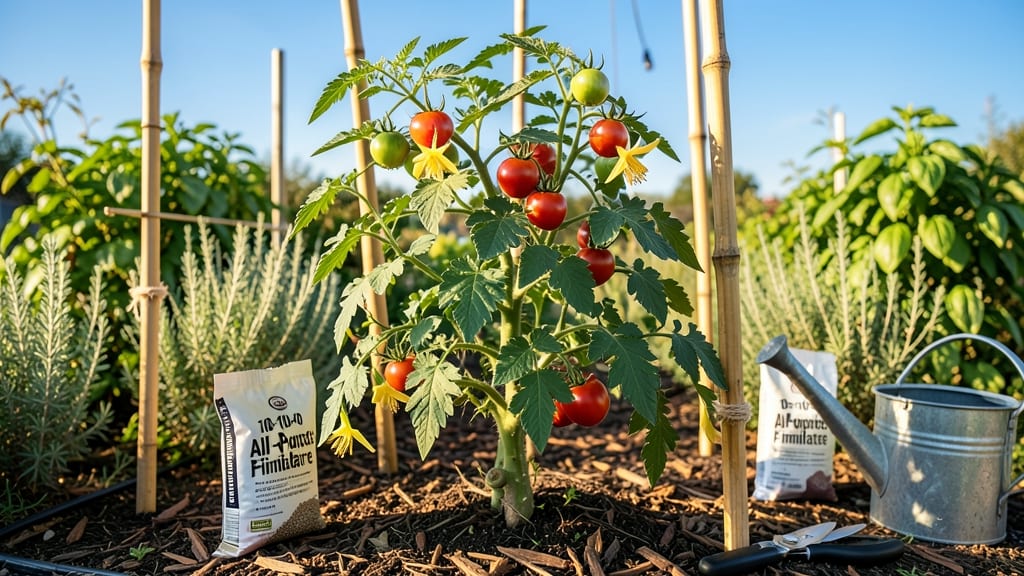
Promoting tomato growth starts with sunlight and watering secrets that turn floppy vines into fruit-loaded powerhouses. 🌞 I’ve watched my tomatoes go from sad, leggy plants to heavy-fruited monsters by mastering just three key factors: consistent light, deep watering, and strategic feeding.
The difference between a 5-pound harvest and a 20-pound one often comes down to these basics—no fancy gadgets needed.
First, give your plants 6-8 hours of direct sun daily, but protect them from scorching afternoon heat in hot climates. Water at the base—not the leaves—to prevent disease, and aim for 1-2 inches per week, letting the soil dry slightly between waterings.
Overwatering is just as deadly as underwatering. I learned this the hard way when my tomatoes split open from inconsistent moisture.
Feed your plants with a balanced organic fertilizer every 3-4 weeks once flowering begins, and side-dress with compost midseason for a nutrient boost. Prune suckers (those little shoots in the leaf axils) to focus energy on fruit production, and stake or cage your plants early to prevent sprawl.
Within weeks, you’ll see thicker stems, more flowers, and tomatoes the size of your palm.
This works for both backyard gardens and container growers—just adjust watering frequency based on pot size. The key is consistency. Once you nail these basics, your tomatoes will reward you with heavier yields, fewer pests, and plants that look like they’re thriving instead of just surviving.
📚 In This Guide
- What you need
- Instructions
- Tips and common mistakes
- Wrapping up and next steps
What you need
- ● Tomato seeds or seedlings: Choose disease-resistant varieties (e.g., Cherry Tomatoes, Beefsteak, or Roma). Start with 4-6 seeds per pot if sowing indoors or 1-2 healthy seedlings per plant for direct planting.
- ● High-quality potting mix or garden soil: Use a well-draining, nutrient-rich blend (e.g., 60% compost, 30% coconut coir, 10% perlite). For containers, a 5-gallon bag per plant is ideal.
- ● Containers or garden plot: Containers: 5-gallon buckets or fabric grow bags (at least 12" deep) with drainage holes. 1-2 plants per container to avoid overcrowding.
- ● Garden beds: Ensure 6-8 hours of sunlight daily and 18"+ spacing between plants for vining varieties.
- ● Fertilizer: Balanced fertilizer (10-10-10 or 5-5-5): 1 tbsp per plant at planting, then every 4-6 weeks.
- ● Organic options: Compost tea, worm castings, or fish emulsion for a gentler boost.
- ● Watering supplies: Drip irrigation or soaker hoses: 1-2 feet of tubing per plant for consistent moisture.
- ● Watering can with a rose attachment: For precision watering (especially for seedlings).
- ● Staking or cages: 1 cage or 3-4 ft stake per plant (bamboo or metal works best). Secure with soft plant ties.
- ● Mulch: 2-3 inches of straw or shredded leaves to retain moisture and suppress weeds.
- ● Growth boosters: Epsom salt (magnesium sulfate): 1 tbsp per gallon of water every 2 weeks for lush foliage.
- ● Seaweed extract: 1 tsp per gallon to enhance root growth.
- ● Pest control: Neem oil spray or row covers for early-season protection.
- ● pH testing kit: Ideal soil pH for tomatoes is 6.0-6.8.
- ● Pruning shears: For shaping plants and removing suckers.
Step-by-Step instructions for maximizing tomato vine growth
Here’s how to coax your tomatoes into vigorous, productive vines using proven sunlight and watering techniques.
☀️ Step 1: Position for Full Sun Exposure
Tomatoes demand 6-8 hours of direct sunlight daily, but 8+ hours yields the biggest harvests. Place plants where they receive morning sun and afternoon shade if your climate exceeds 90°F—this prevents sunscald on fruits. I always check sunlight exposure by observing the spot for a full day before planting.
If growing in containers, rotate pots a quarter turn weekly so vines grow uniformly toward the light. You’ll notice leaves stretching toward the sun? That’s the plant compensating for uneven exposure. Adjust the pot immediately to prevent weak stems.
💧 Step 2: Water Deeply at the Base
Water tomatoes 1-1.5 inches per week, delivered directly at the soil base—not overhead. I use a soaker hose or drip irrigation to keep foliage dry, which prevents fungal diseases like early blight. Water in the morning so leaves dry quickly, reducing humidity around the plant.
Let the top 2 inches of soil dry between waterings—this encourages deep root growth. You’ll see wilting leaves in the afternoon? That’s normal if the soil stays moist below the surface. Overwatering leads to blossom-end rot, so always check soil moisture with your finger before adding more water.
🌿 Step 3: Prune for Airflow and Energy Focus
Remove suckers (the small shoots growing between the main stem and branches) when they’re 2-3 inches long. These compete with fruit production for energy. I prune with clean shears just above the leaf where the sucker meets the stem—never tear it, or you’ll damage the plant.
Also trim lower leaves that touch the soil to improve airflow and reduce disease risk. You’ll notice yellowing leaves? That’s often a sign of overcrowding. Prune aggressively during wet seasons to keep the center of the plant dry, which prevents mildew.
✂️ Step 4: Support Vines for Optimal Growth
Stake tomatoes at planting with 6-foot bamboo stakes or install a cage system to prevent wind damage and encourage upward growth. Tie vines to stakes with soft plant ties every 10-12 inches as they grow. This keeps stems upright and makes harvesting easier.
If growing indeterminate varieties (like 'Sungold'), let vines climb continuously—they’ll produce fruit all season. You’ll see vines sprawling? That’s a sign they need support. Secure them immediately to avoid stem breakage, especially after heavy rain.
🌱 Step 5: Feed for Continuous Production
Side-dress with balanced fertilizer (10-10-10) when flowers appear, then switch to a low-nitrogen, high-phosphorus formula (5-10-10) once fruits set. I mix fertilizer into the top 2 inches of soil and water deeply to activate it. Over-fertilizing leads to leafy growth at the expense of fruit—always follow package rates.
Watch for signs of nutrient deficiency: yellow lower leaves? That’s nitrogen deficiency. Purple stems? Phosphorus is lacking. Adjust your feeding schedule accordingly, but never fertilize after 6 weeks before first frost—the plant needs to harden off for winter.
Tips & tricks for maximizing tomato vine growth
These practical insights will help you transform your tomato plants into thriving, high-yielding vines—no guesswork required.
Sunlight Strategy: In Step 1, when positioning your plants for 6-8 hours of sunlight, pay special attention to the angle of the sun throughout the day. Early morning light (before 10 AM) is gentler and less likely to cause sunscald, while afternoon light (after 2 PM) can be more intense. If you're in a hot climate where temperatures exceed 90°F, consider using shade cloth (30-50% coverage) during peak afternoon hours to protect developing fruits without sacrificing overall sunlight exposure.
Watering Wisdom: The 1-1.5 inches of water per week in Step 2 is crucial, but consistency matters more than quantity. I've found that using a rain gauge or tuna can (with 1.5-inch markings) to measure water is far more accurate than eyeballing. For container-grown tomatoes, you'll need to water more frequently—sometimes daily—because pots dry out faster. Always water at the base and avoid wetting leaves to prevent fungal spores from splashing onto foliage.
Pruning Precision: When removing suckers in Step 3, timing is everything. The 2-3 inch size recommendation is ideal because smaller suckers are harder to spot, while larger ones have already begun competing with your main plant for nutrients. Use sharp, clean pruners and make cuts at a 45-degree angle just above a leaf node to promote faster healing. For indeterminate varieties, you can be more aggressive with pruning—removing up to 25% of the foliage can actually improve airflow and fruit quality.
Support System: The 6-foot stakes or cages in Step 4 aren't just for show—they're essential for preventing wind damage and encouraging vertical growth. I recommend installing supports at planting time so you don't have to disturb roots later. For heavy-fruiting varieties, consider using two stakes per plant in a "V" formation for extra stability. The 10-12 inch spacing between ties is perfect because it allows the plant to grow without being too restricted, while still maintaining upright posture.
Pro Tips for Promote Tomato Growth
- These practical insights will help you transform your tomato plants into thriving, high-yielding vines—no guesswork required.
- Sunlight Strategy: In Step 1, when positioning your plants for 6-8 hours of sunlight, pay special attention to the angle of the sun throughout the day.
- Watering Wisdom: The 1-1.5 inches of water per week in Step 2 is crucial, but consistency matters more than quantity.
Frequently asked questions
Got questions about growing juicy, vine-loaded tomatoes? You’re not alone! Here are some of the most common queries—plus quick, actionable answers to keep your plants thriving.
How often should I water my tomato plants?
Tomatoes need 1–1.5 inches of water per week, especially during fruiting. Water deeply at the base (not the leaves) to prevent disease. Use drip irrigation or soaker hoses for consistency—avoid overhead watering, which can cause fungal issues like blight. Morning watering is best to reduce evaporation and pests.
When is the best time to transplant tomato seedlings?
Wait until after the last frost and when soil temps are at least 60°F (15°C). Seedlings should be 4–6 inches tall with 2–3 true leaves. Transplant on a cloudy day or in the late afternoon to reduce stress. Harden them off for 5–7 days beforehand by gradually exposing them to outdoor conditions.
Why are my tomato leaves turning yellow?
Yellow leaves often signal overwatering, underwatering, or nutrient deficiencies. Check the soil—it should feel like a damp sponge. If the bottom leaves yellow first, it’s likely overwatering or poor drainage. Upper leaves turning yellow? Try a balanced fertilizer (like 10-10-10) or compost. Pests (like aphids) or disease (early blight) can also cause this—inspect stems and undersides!
Can I grow tomatoes in containers? What size pot do I need?
Use pots at least 5 gallons for dwarf varieties and 10+ gallons for indeterminate (vining) types. Ensure pots have drainage holes and fill with well-draining potting mix. Place containers in full sun (6+ hours/day) and fertilize every 2–3 weeks with a tomato-specific feed. Pro tip: Add a trellis to save space!
What’s the fastest way to boost tomato growth naturally?
Combine sunlight (8+ hours/day), regular pruning (remove suckers), and organic matter (compost or worm castings). Try fish emulsion or seaweed extract for a nutrient kick. Mulch with straw to retain moisture and deter weeds. For a quick fix, side-dress with compost mid-season to replenish nutrients without shocking the plant.
Wrapping up and next steps
Promoting healthy tomato growth is all about balancing sunlight, water, and care—and you’ve got the tools to make it happen! 🌱 From choosing the right soil to mastering pruning techniques, every step brings you closer to a bursting harvest.
Remember, consistency is key, whether it’s ensuring 6-8 hours of sunlight or watering deeply but infrequently.
Now that you’re armed with these secrets, roll up your sleeves and get growing! Start with one plant or a small batch, observe what works, and soon you’ll be reaping juicy, vine-ripened tomatoes like a pro. Happy gardening—your future meals (and bragging rights) will thank you! 🍅✨