
How To
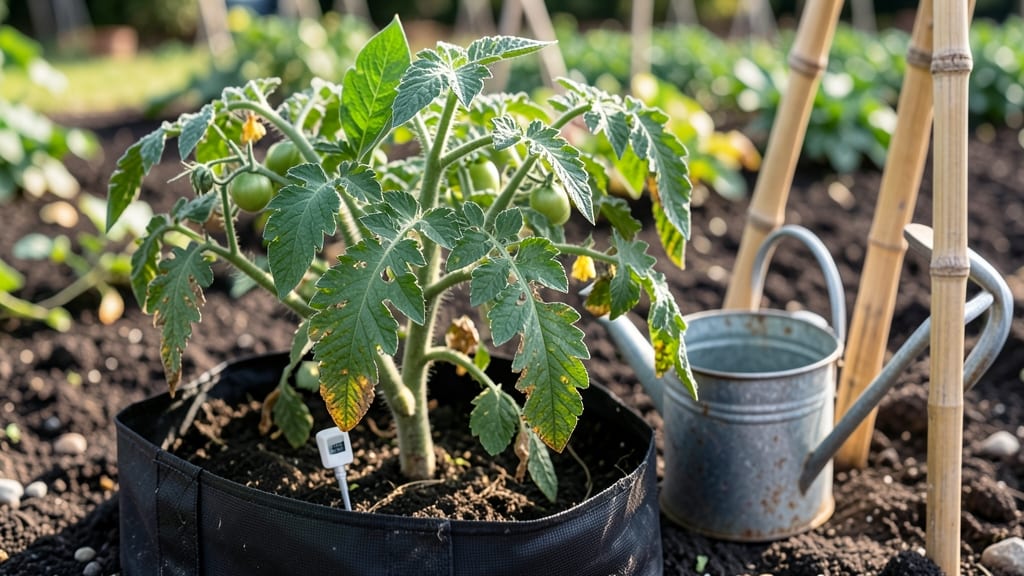
Your tomato leaves wilting doesn’t mean the plant is doomed—it’s often a fixable signal. 🌱 I’ve revived dozens of plants with just three targeted steps, whether it’s underwatering, pests, or early blight. The key is acting fast before the problem spreads to the fruit.
First, check the soil: if it’s bone-dry, water deeply until moisture reaches 6 inches down. If soggy, withhold water and improve drainage immediately. Wilting from hydration issues usually recovers within hours, but fungal diseases like early blight need pruning infected leaves and copper spray for prevention.
For pests like aphids or spider mites, blast them off with water first, then apply neem oil. The difference between a reversible issue and a lost plant often comes down to how quickly you respond—some problems (like fusarium wilt) mean removing the plant to save your garden.
With these steps, you’ll keep your tomatoes productive and your harvest intact. The secret is catching wilting early before it becomes a full-blown crisis.
Root Causes Behind Drooping Leaves
When your tomato plants start showing signs of distress—like wilting leaves—it’s often a cry for help from the roots or the plant’s internal systems. Understanding the why behind the wilt is the first step to reviving your garden stars.
Below, we break down the most common culprits, complete with the science behind them and actionable clues to identify each issue.
Tomatoes are thirsty plants, but too much water can drown their roots, cutting off oxygen and suffocating them. Overwatering is one of the fastest ways to trigger wilting because it disrupts the plant’s ability to absorb nutrients and transport water through its vascular system (xylem).
Here’s how to spot it:
- Yellowing leaves (not just wilting) with a mushy texture when touched.
- Puddles or soggy soil around the base of the plant, even hours after watering.
- Roots that smell foul or appear black and slimy (a sign of root rot, often caused by fungi like Phytophthora).
Why it happens: Soil without proper drainage becomes waterlogged, creating an anaerobic (oxygen-free) environment. Roots need oxygen to respire and function—without it, they suffocate. Over time, this leads to cell death, wilting, and even plant collapse.
Pro tip: 💡 Stick your finger 1–2 inches into the soil. If it’s damp, wait before watering. Tomatoes prefer consistent moisture but hate soggy feet. Amend heavy clay soil with compost or perlite to improve drainage.
While tomatoes love sunlight, intense heat—especially in combination with dry conditions—can cause leaves to wilt as a protective response.
When temperatures soar above 90°F (32°C), stomata (tiny pores on leaves) close to conserve water, leading to wilting. Sunburn (scorch marks or bleached patches) can also weaken leaves, making them more prone to drooping.
Watch for:
- Wilting that occurs during the hottest part of the day but recovers slightly in the evening.
- Crispy or papery edges on leaves, often on the south or west-facing sides of the plant.
- Leaves that feel hot to the touch (a sign of severe stress).
Why it happens: High temperatures increase transpiration (water loss through leaves) faster than roots can replenish it. Additionally, heat damages cell membranes, disrupting the plant’s ability to regulate water and nutrients. In extreme cases, proteins and enzymes denature, halting growth processes.
Pro tip: 🌡️ Shield plants from midday sun with shade cloth (30–50% coverage) or mulch heavily to keep roots cool. Water deeply in the early morning to reduce evaporation. Varieties like ‘Heatmaster’ or ‘Solar Fire’ are bred for heat tolerance.
Wilting can also signal thirst, especially in sandy or fast-draining soils where moisture evaporates quickly.
Roots struggle to pull up enough water, causing leaves to droop as a survival mechanism to minimize water loss. Physical root damage (from transplant shock, pests, or compacted soil) can compound the issue by reducing the plant’s water-absorbing surface area.
Look for:
- Wilting that worsens by midday and improves after watering.
- Soil that’s bone-dry 1–2 inches below the surface.
- Leaves that feel crispy or brittle when touched.
- New growth that’s small or stunted (roots can’t support it).
Why it happens: Plants rely on turgor pressure—the water pressure inside cells—to keep leaves rigid. When soil moisture drops below 50%, roots can’t keep up, and cells lose turgor, causing wilting. Damaged roots (e.g., from cutworms or rough handling) further limit water uptake.
Pro tip: ✨ Water deeply and infrequently (1–1.5 inches per week, more in heat). Use a moisture meter or the finger test to check soil moisture. For container-grown tomatoes, ensure pots have drainage holes and use self-watering systems if you’re prone to forgetting.
Hidden invaders like aphids, spider mites, or nematodes can sap a tomato plant’s vitality, leading to wilting as the plant diverts energy to fight off attackers. Fungal diseases (e.g., Fusarium wilt or early blight) or bacterial infections (like verticillium wilt) can clog the plant’s vascular system, blocking water transport.
Signs to investigate:
- Sticky residue on leaves (aphids) or fine webbing (spider mites).
- Yellowing veins or vascular streaking (common in fungal/bacterial wilts).
- Holes in leaves or chewed stems (pests like hornworms or tomato fruitworms).
- Wilting that starts on one branch and spreads unevenly.
Why it happens: Pests physically damage cells or inject toxins, while pathogens disrupt the plant’s xylem (water-conducting tissue). For example, Fusarium produces mycotoxins that block water flow, causing sudden wilting even in moist soil. Nematodes feed on root hairs, reducing the plant’s ability to absorb water.
Pro tip: 🔥 Inspect undersides of leaves and stems for pests. Treat fungal wilts with copper fungicide (preventative only—these diseases are often untreatable once established). For pests, use neem oil or introduce beneficial insects like ladybugs. Rotate crops yearly to prevent soil-borne diseases.
Sudden changes in humidity, wind, or temperature can shock tomato plants, causing leaves to wilt as they conserve water. Transplant shock (from moving plants or repotting) or nutrient deficiencies (like lack of potassium or magnesium) can also weaken the plant’s structure, making wilting more likely.
Clues to consider:
- Wilting after a cold snap, heatwave, or high winds.
- Purple or yellow leaf undersides (potassium/magnesium deficiency).
- Slow growth despite regular watering.
Why it happens: Environmental stress triggers the plant’s abscisic acid (ABA) hormone, which signals stomata to close and conserves water. Nutrient deficiencies disrupt enzyme function, impairing photosynthesis and water regulation. For example, potassium is critical for osmoregulation (balancing water pressure in cells).
Pro tip: 🎯 Harden off seedlings gradually before transplanting. Use balanced fertilizer (like 10-10-10) or compost tea to replenish nutrients. Mulch
Revive Your Tomatoes Fast
When your tomato plants’ leaves start wilting, panic isn’t the answer—action is. The good news? Most causes have simple, effective fixes. Below, we’ve mapped out practical solutions for each common trigger, plus prevention tips to keep your plants thriving. Let’s get those leaves perky again!
Signs: Yellowing leaves, soggy soil, wilting even after watering. Why it happens: Too much water suffocates roots, cutting off oxygen and nutrients.
How to Fix It:
- Stop Watering Immediately 🚰 – Let the soil dry out completely before watering again.
- Improve Drainage 🏗️ – Mix compost or perlite into heavy soil to loosen it up.
- Repot if Needed 🌱 – If roots are rotting, transplant to fresh, well-draining soil.
- Water Deeply but Less Often ⏰ – Aim for 1–1.5 inches per week, adjusting for rain.
Prevention Tip: 🌡️ Use your finger to check soil moisture—top 1–2 inches should be dry before watering.
Signs: Crispy, brown leaf edges, wilting that worsens in heat.
How to Fix It:
- Water Slowly & Deeply 💦 – Use a soaker hose or drip irrigation to avoid runoff.
- Water in the Morning ⏰ – Reduces evaporation and gives roots time to absorb moisture.
- Mulch Around the Base 🌿 – A 2–3 inch layer of straw or wood chips locks in moisture.
- Check for Root Bound 🌱 – If roots are circling the pot, upgrade to a larger container.
Prevention Tip: 🎯 Group plants together to create a microclimate that retains humidity.
Signs: Holes in leaves, sticky residue, black spots, or sudden wilting.
How to Fix It (By Culprit):
| Problem | Solution |
|---|---|
| Aphids/Spider Mites 🕷️ | Spray with neem oil or soapy water (1 tsp mild soap per quart of water). |
| Fungal Issues (Early Blight) 🍄 | Remove infected leaves, space plants for airflow, and spray copper fungicide. |
| Root-Knot Nematodes 🐛 | Solarize soil (cover with clear plastic for 4–6 weeks) or plant marigolds as a trap crop. |
| Bacterial Wilt 🦠 | Remove the plant immediately—it’s contagious! Disinfect tools with rubbing alcohol. |
Prevention Tip: ✨ Rotate crops yearly to starve pests and diseases.
Signs: Drooping leaves, scorch marks, wilting in afternoon heat.
How to Fix It:
- Provide Shade ☀️🔄 – Use shade cloth (30–50%) during peak sun (10 AM–4 PM).
- Mulch Heavily 🌿 – Keeps roots cool and retains moisture.
- Water Early ⏰ – Before 10 AM to prevent evaporation.
- Avoid Fertilizer Burns 🚫💥 – Skip high-nitrogen feeds in extreme heat.
Prevention Tip: 💡 Choose heat-tolerant varieties like ‘Solar Fire’ or ‘Heatmaster.’
Signs: Yellowing between leaf veins (iron/chlorosis), stunted growth, weak stems.
How to Fix It:
- Test Your Soil 📊 – A simple DIY test kit (or lab test) reveals deficiencies.
- Add Balanced Fertilizer 🍽️ – Use a 5-10-10 or tomato-specific formula every 2–3 weeks.
- Fix Specific Deficiencies:
- Magnesium (Yellow Leaves): Sprinkle Epsom salt (1 tbsp/gallon of water) monthly.
- Nitrogen (Pale Leaves): Add compost or fish emulsion.
- Potassium (Weak Stems): Use banana peel tea or wood ash.
Prevention Tip: 🌱 Side-dress with compost mid-season for a slow-release boost.
Signs: Wilting that spreads from the bottom up, mushy stems, or roots exposed in pots.
How to Fix It:
- Prune Damaged Roots ⏰ – Gently rinse roots, trim black/mushy bits with sterilized scissors.
- Repot in Fresh Soil 🌱 – Use a light, airy mix (60% potting soil, 30% perlite, 10% compost).
- Root Hormone Treatment 💊 – Dip roots in rooting hormone before replanting.
- Avoid Overwatering After Repotting 🚰 – Keep soil moist but not soggy for 1–2 weeks.
Prevention Tip: 🔥 Use raised beds or containers for better drainage if your garden soil is clay-heavy.
- Trim Damaged Leaves ✂️ – Remove only the worst to reduce stress.
- Boost Humidity 💧 – Place a tray of water near plants or mist leaves (early morning only).
- Support Weak Plants 🪑 – Use tomato cages or stakes to prevent further strain.
- Monitor & Adjust 📈 – Keep a plant journal to track progress and tweak care.
Final Pro Tip: 🌟 Wilting leaves can recover in 24–48 hours if caught early! Stay consistent with care, and your tomatoes will bounce back—and maybe even produce more fruit as a reward! 🍅✨
Frequently asked questions
Why do my tomato leaves wilt in the afternoon but perk up at night?
This is classic heat stress or underwatering. When temperatures climb above 90°F (32°C), your tomato plants close their stomata to conserve water, causing wilting. The leaves recover overnight because cooler temps allow the plant to rehydrate. To fix this, water deeply in the early morning and provide afternoon shade with shade cloth (30-50%).
Can I save my tomato plant if the wilting is caused by fungal wilt?
Unfortunately, Fusarium wilt and verticillium wilt are usually fatal—there’s no cure once symptoms appear. The only way to save your garden is to remove the infected plant immediately and disinfect your tools with rubbing alcohol. For future seasons, choose resistant varieties like 'Mountain Merit' or practice crop rotation.
How often should I water tomato plants to prevent wilting?
Tomatoes need 1-1.5 inches of water per week, but the key is consistency. Water deeply 2-3 times per week (more in extreme heat) rather than light daily sprinkles. Use your finger to check soil moisture—if the top 1-2 inches are dry, it’s time to water. Mulching with straw helps retain moisture and prevents soil temperature swings.
What should I do if my tomato leaves wilt after transplanting?
This is likely transplant shock, where roots get damaged during moving. First, water thoroughly to help roots re-establish. Then, provide shade for 3-5 days to reduce stress. Avoid fertilizing for 2 weeks—focus on keeping soil consistently moist (not soggy) while roots recover. A light application of seaweed extract can also help reduce stress hormones.
Are there any quick fixes for wilting tomato leaves caused by pests?
Yes! For aphids or spider mites, blast them off with water first, then spray with neem oil (mix 1 tbsp per quart of water). For hornworms, handpick them in the morning when they’re sluggish. If you see chewed leaves, check the undersides—early intervention prevents wilting from spreading. For severe infestations, repeat treatments every 5-7 days.