
Companion Plants
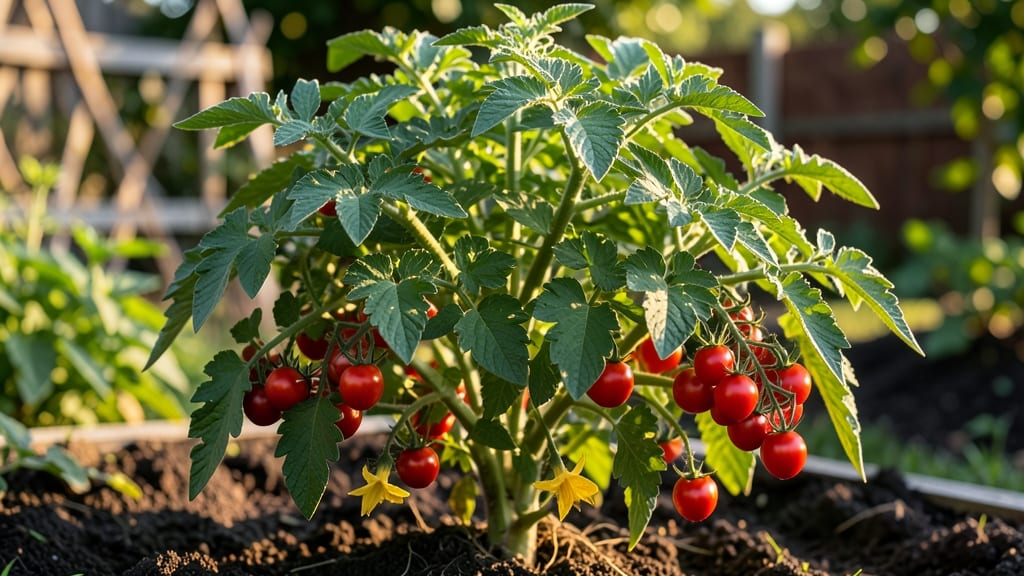
Growing Cherry Bomb tomato plants means tiny, sweet explosions of flavor that never quit. 🌱 These bite-sized gems pack a burst of sweetness while staying compact enough for containers or small gardens—no sprawling vines or heavy pruning required. The real magic?
Their built-in disease resistance, which means fewer worries about blight or rot ruining your harvest.
The secret to their explosive yields starts with the right setup: well-draining soil rich in organic matter, a sunny spot with at least 6-8 hours of direct sunlight daily, and consistent watering that keeps roots happy without drowning them.
Unlike larger tomatoes, Cherry Bombs thrive in 5-gallon containers or raised beds, making them perfect for balconies, patios, or crowded gardens where space is limited. Once established, these plants deliver a steady stream of 1-inch red orbs from midsummer until frost, with minimal effort. The flavor?
A perfect balance of sweet and tangy, ideal for snacking straight off the vine or popping into salads and skewers. Prune lightly to encourage airflow, and watch as each plant produces hundreds of tomatoes over the season.
Here’s the kicker: they’re tough enough to handle heat and humidity, so even if you’re not a seasoned gardener, these little powerhouses will keep producing. Just remember—don’t overcrowd them, and harvest often to keep the fruit coming.
Ready to grow a tomato plant that’s as easy as it is delicious?
📚 In This Guide
- What you need
- Instructions
- Tips and common mistakes
- Wrapping up and next steps
What you need
- ● Cherry Bomb tomato seeds or seedlings: Purchase disease-resistant seeds (look for labels like Virus-resistant or Fusarium-resistant) or young plants from a trusted nursery. Quantity: 2–4 plants (or 10–15 seeds if starting from scratch).
- ● Containers or garden bed: For containers: 5-gallon pots or larger (at least 12" deep) with drainage holes. Quantity: 1 per plant.
- ● For in-ground planting: Well-draining soil in a sunny spot (6+ hours of sunlight daily).
- ● Potting mix: High-quality, sterile seed-starting mix or tomato-specific soil (avoid garden soil to prevent disease). Quantity: 1–2 bags (1.5–2 cubic feet).
- ● Fertilizer: Balanced granular fertilizer (e.g., 10-10-10) for planting.
- ● Liquid tomato fertilizer (high in potassium and phosphorus) for flowering/fruiting. Quantity: 1–2 applications.
- ● Support system: Cages (5–6 ft tall) or stakes (6+ ft) to support vines. Quantity: 1 per plant.
- ● Mulch: Straw or shredded leaves to retain moisture and suppress weeds. Quantity: 2–3 inches per plant.
- ● Hand trowel or transplanting spade.
- ● Watering can or hose with a gentle spray nozzle.
- ● Pruning shears (for trimming suckers and dead leaves).
- ● Organic pest control: Neem oil, insecticidal soap, or companion plants (e.g., basil or marigolds).
- ○ Row covers (optional, for early-season frost protection).
- ○ pH test kit (optional, to check soil acidity—ideal range: 6.0–6.8).
Step-by-Step guide to growing Cherry Bomb tomato plants
Here’s how I grow these compact, high-yielding tomatoes—no fancy tricks, just reliable results.
🌱 Step 1: Start Seeds Indoors 6-8 Weeks Before Last Frost
Fill 2-3 inch deep seed trays with moistened seed-starting mix (never garden soil—it’s too heavy). Press the mix down lightly so it’s firm but not packed. Plant 2-3 seeds per cell at a depth of ¼ inch, then cover with a thin layer of mix. This shallow planting ensures quick germination without exhausting the seedling’s energy reserves.
Place the tray in a warm spot—75-85°F speeds up germination, so a seedling heat mat helps if your home runs cooler. Keep the soil consistently moist (not soggy) by misting lightly or using a humidity dome. You’ll see sprouts in 7-14 days, depending on your home’s warmth. Once they appear, remove the dome immediately to prevent damping-off disease, which rots stems overnight.
☀️ Step 2: Provide Strong Light and Prevent Legginess
Cherry Bomb tomatoes need 14-16 hours of light daily from day one. A south-facing window won’t cut it—seedlings stretch toward light and become weak. Set up a grow light 2-4 inches above the trays and keep it on a timer. Raise the light as seedlings grow to maintain that distance. Strong seedlings have thick stems, deep green leaves, and compact spacing between leaves.
If you notice stems elongating or bending toward the light, your light is too far away. Leggy seedlings rarely recover, so adjust immediately. Rotate trays a quarter turn daily so plants grow straight instead of leaning.
🪴 Step 3: Transplant Seedlings After Hardening Off
Two weeks before your last frost date, start hardening off seedlings by placing them outside in a sheltered spot for 1-2 hours the first day. Gradually increase outdoor time by 1 hour daily over 10-14 days, ending with a full day in the sun. This toughens stems and leaves so they don’t shock when moved to the garden.
Transplant on an overcast afternoon to reduce stress. Bury seedlings deeper than the stem—up to the first true leaves—to encourage strong root growth. Space plants 18-24 inches apart in rows 3 feet apart. Cherry Bombs are compact but need room to breathe and access sunlight.
💧 Step 4: Water Deeply and Support for Heavy Fruit
Water at the base of the plant 1-2 inches deep every 2-3 days until the top inch of soil feels dry. Drip irrigation or soaker hoses keep moisture consistent without wetting leaves, which prevents fungal diseases. Mulch with 2-3 inches of straw to retain moisture and suppress weeds.
Stake or cage plants immediately—Cherry Bombs produce heavy clusters of fruit that can snap stems. Use 5-6 foot tall stakes or sturdy cages and tie stems loosely with soft plant ties. Prune suckers (the small shoots in the leaf axils) to direct energy to fruit production, but leave the first few to encourage bushiness.
✂️ Step 5: Harvest and Prune for Continuous Production
Cherry Bomb tomatoes ripen in 55-65 days and turn a vibrant red when ready. Harvest clusters as they ripen to encourage more fruit. Twist gently to avoid damaging the stem. You’ll know they’re ripe when they’re fully colored and slightly soft to the touch.
After the first flush of fruit, prune back leggy growth and remove any yellowing leaves to improve airflow. This keeps plants healthy and productive until your first frost. With proper care, you’ll get 20-30 pounds of fruit per plant—enough for snacks, sauces, or sharing with neighbors.
Tips & tricks for perfect Cherry Bomb tomato growth
Here's what I've learned after growing these compact powerhouses for years—tricks that'll help you avoid common pitfalls and maximize your harvest.
Germination Trick: In Step 1, after planting your seeds at ¼ inch depth, place the tray in a plastic bag with a few holes punched in it. This creates a mini greenhouse effect that speeds up germination by keeping humidity high. I've seen sprouts appear in just 5-7 days instead of the usual 7-14 days. Just remember to remove the bag immediately once sprouts appear to prevent damping-off disease.
Lighting Secret: For Step 2, if you're using a grow light, position it so it's just 2 inches above the seedlings at first. As they grow, raise it gradually to maintain that 2-4 inch distance. I use a simple timer set to 14 hours on, 10 hours off—this mimics natural daylight cycles. Pro tip: Use a white or cool-toned bulb, not warm white, as it provides the full spectrum of light these plants need.
Hardening Off Hack: During the hardening off process in Step 3, I've found that moving seedlings to a spot with morning sun and afternoon shade works better than full sun exposure right away. This gradual transition prevents sunburn on tender leaves. Also, if you notice leaves curling or wilting during this process, it's a sign they're getting too much sun—move them to a shadier spot immediately.
Support Strategy: When setting up your stakes or cages in Step 4, don't wait until the plants are heavy with fruit to install them. Set them up immediately after transplanting—even if the plants are small. I use bamboo stakes because they're sturdy and biodegradable. For cages, choose ones that are at least 5 feet tall to accommodate the plant's full growth potential.
Pro Tips for Cherry Bomb Tomato Plants
- Here's what I've learned after growing these compact powerhouses for years—tricks that'll help you avoid common pitfa...
- Germination Trick: In Step 1, after planting your seeds at ¼ inch depth, place the tray in a plastic bag with a few h...
- Lighting Secret: For Step 2, if you're using a grow light, position it so it's just 2 inches above the seedlings at f...
Frequently asked questions
Got questions about growing Cherry Bomb tomato plants? You’re not alone! Here are answers to the most common concerns—from planting tips to troubleshooting—to help you grow a bountiful harvest with ease.
When is the best time to plant Cherry Bomb tomatoes?
Plant Cherry Bomb tomatoes after the last frost when soil temps reach 55–65°F (13–18°C). For cooler climates, start seeds indoors 6–8 weeks before transplanting. In warmer zones, direct-sow after April. These tomatoes thrive in full sun (6–8+ hours daily), so choose a sheltered spot to avoid wind damage.
Can I grow Cherry Bomb tomatoes in containers?
These compact plants (3–4 ft tall) do well in 5-gallon containers or larger with drainage holes. Use a high-quality potting mix and support with a cage or stake. Just ensure containers get plenty of sunlight and water consistently—containers dry out faster than garden beds.
Why are my Cherry Bomb tomatoes cracking?
Cracking often happens when plants get too much water after a dry spell or uneven moisture. Keep soil consistently moist (not soggy) and mulch to stabilize moisture levels. Avoid overhead watering late in the day, which can also stress the fruit. Harvest tomatoes as soon as they ripen to reduce stress on the plant.
What companion plants work best with Cherry Bomb tomatoes?
Cherry Bomb tomatoes pair well with basil, marigolds, onions, and lettuce, which deter pests and improve growth. Avoid planting near corn, fennel, or walnut trees, as they compete for nutrients or stunt tomato development. Interplanting with herbs like thyme or oregano can also boost flavor!
How do I know if my Cherry Bomb tomatoes are ripe?
Look for deep red color (not pink or green) and a slightly soft, yielding texture when gently squeezed. The fruit should also easily separate from the vine. Unripe tomatoes can be harvested green and ripened indoors in a paper bag with a banana for 3–5 days. Overripe tomatoes are still delicious—use them in sauces or salsas!
Wrapping up and next steps
Growing Cherry Bomb tomato plants is a rewarding journey that blends resilience with explosive flavor! 🌱 Their disease-resistant nature makes them perfect for both beginners and seasoned gardeners, ensuring a bountiful harvest even in less-than-ideal conditions.
Whether you're planting in containers or garden beds, these vibrant tomatoes are a game-changer for any kitchen.
Now that you’re armed with the how-to and answers to common questions, it’s time to roll up your sleeves and plant your Cherry Bombs. Start small—maybe a few plants in pots or a dedicated garden patch—and watch your garden transform into a juicy, red explosion of flavor!
Happy growing! 🌿