
Planting
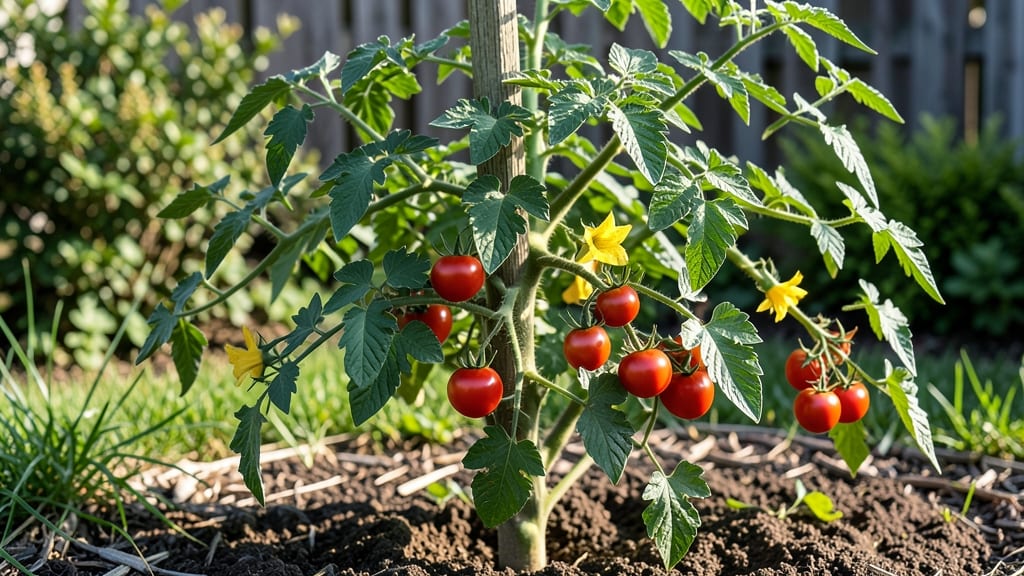
Growing a Jubilee tomato plant means your garden will soon be heavy with 2-pound beefsteak tomatoes that taste like summer in every bite. 🌱 I learned the hard way that this indeterminate giant needs space, patience, and just the right balance of sun and water—or it'll fight you every step of the way.
This tomato thrives in well-draining soil with plenty of organic matter, and it demands 6-8 hours of sunlight daily to produce those massive fruits. Unlike smaller varieties, Jubilee plants grow 6-8 feet tall, so sturdy cages or trellises are a must. The real payoff?
Disease resistance that keeps your harvest going long after other tomatoes give up. Once established, you'll harvest tomatoes that are sweet, meaty, and perfect for slicing—but only if you stay ahead of common issues like blossom end rot (fix it with calcium-rich amendments).
The first fruits arrive around 70 days, and if you keep the plant healthy, you'll get a steady supply all season. Perfect for gardeners who want restaurant-quality tomatoes without the fuss of heirloom varieties. Here's how to grow yours like a pro—no black thumb required.
📚 In This Guide
- What you need
- Instructions
- Tips and common mistakes
- Wrapping up and next steps
What you need
- ● Jubilee tomato seeds or seedlings: 1–3 plants (indeterminate variety, so they’ll grow tall and need support).
- ● Growing containers or garden bed: Containers: 5-gallon pots or larger (at least 18" deep and wide per plant).
- ● Garden bed: Full sun (6–8+ hours daily), well-draining soil, and space 3–4 feet apart (they sprawl!).
- ● High-quality potting mix or garden soil: 1–2 bags (sterile, nutrient-rich, and well-draining).
- ● Compost or organic fertilizer: 1–2 cups per plant (balanced 10-10-10 or tomato-specific blend).
- ● Tomato cages or stakes: 6–8 ft tall (metal or sturdy wooden stakes work too).
- ● Pruning shears or sharp scissors: For trimming suckers and shaping the plant.
- ○ Mulch (optional but recommended): Straw or shredded leaves to retain moisture and suppress weeds.
- ● Watering can or hose with a gentle nozzle: Avoid blasting the soil to prevent disease.
- ○ pH test kit (optional): Aim for soil pH 6.0–6.8 (tomatoes love slightly acidic soil).
- ○ Epsom salt (optional): 1 tbsp per plant monthly for magnesium boosts (especially in flowering stage).
- ● Plant ties or soft twine: To secure the plant to stakes as it grows.
- ○ Row cover or shade cloth (optional): For early-season frost protection or sunscald prevention.
Step-by-step instructions for growing Jubilee tomatoes
Here’s how to grow these massive, flavorful giants—with minimal fuss and maximum reward.
🌱 Step 1: Start Seeds Indoors for a Strong Head Start
Jubilee tomatoes need a long, warm season, so begin seeds 8-10 weeks before your last frost date. I use biodegradable peat pots (2-3 inches deep) filled with sterile seed-starting mix—never garden soil. Moisten the mix until it clumps when squeezed but doesn’t drip.
Plant 2-3 seeds per pot just ¼ inch deep. Cover lightly with more mix, then mist gently with water until the surface is damp. Place pots in a seedling heat mat (75-85°F) to speed germination, which typically takes 7-10 days. Keep the soil consistently moist but never soggy—overwatering here causes damping-off.
☀️ Step 2: Provide Bright Light and Prevent Leggy Growth
The instant seedlings emerge, move them under 14-16 hours of bright light daily. A south-facing window is too weak—supplement with a full-spectrum LED grow light held 2-4 inches above the plants. Raise the light as they grow to maintain that gap.
Leggy seedlings (thin, stretched stems) mean your light’s too far away. If you see this, lower the light immediately. Strong seedlings have thick stems, deep green leaves, and leaves spaced close together. Rotate pots weekly so plants grow straight, not lopsided.
🪴 Step 3: Transplant Outdoors After Hardening Off
Two weeks before your last frost, start hardening off seedlings by placing them outside in a sheltered, shaded spot for 1-2 hours the first day. Gradually increase time by 1 hour daily until they’re out all day. This toughens stems and prevents shock.
Transplant after all danger of frost has passed and soil is at least 60°F. Bury seedlings deeper than the pot—Jubilees have strong stems that root along buried stems. Space plants 3-4 feet apart in full sun (6+ hours daily). Water deeply at the base, not overhead.
✂️ Step 4: Prune and Support for Maximum Fruit Size
Jubilee tomatoes are indeterminate, meaning they grow continuously. Pinch off suckers (shoots in the leaf axils) to direct energy into fewer, larger fruits. Leave 1-2 main stems for best results. Use sturdy cages or stakes (6 feet tall) to support the heavy vines.
Prune regularly to improve airflow—this prevents disease. Remove lower leaves that touch the soil, and trim back 1/3 of the plant after the first flush of fruit sets. This encourages bushier growth and bigger tomatoes. Mulch with straw or grass clippings to retain moisture and keep soil cool.
💧 Step 5: Water and Fertilize for Giant Tomatoes
Water deeply 1-2 times per week, aiming for 1-2 inches of water. Let the soil dry slightly between waterings—consistent moisture prevents cracking. Avoid wetting leaves to reduce disease risk. Drip irrigation or soaker hoses work best.
Feed every 2-3 weeks with a balanced fertilizer (10-10-10) until flowers appear, then switch to a low-nitrogen, high-phosphorus (5-10-10) formula to boost fruiting. Stop fertilizing 4-6 weeks before harvest—too much late nitrogen delays ripening. Watch for yellow leaves (overwatering) or stunted growth (underwatering).
Tips & tricks for growing jumbo tomato plants
Here’s what I learned after growing these giants—simple tweaks that make all the difference.
Seedling Heat Secret: Those 75-85°F heat mat temperatures are non-negotiable for germination. I’ve tried skipping it, and germination takes twice as long. Place the heat mat under the pots, not on top—this keeps the soil warm without overheating the seeds. If you don’t have a heat mat, try a warm spot like on top of your fridge (just monitor closely).
Lighting Hack for Leggy Seedlings: The 14-16 hours of light is crucial, but don’t just set it and forget it. I adjust the height of my LED grow light every 3-4 days—when the tops of seedlings touch the light, it’s time to raise it. This prevents leggy growth while ensuring strong stems. A good rule: if your seedlings are taller than the distance from their base to the first true leaves, lower that light immediately.
Transplanting Pro Tip: Burying seedlings deeper than their pots might seem counterintuitive, but Jubilee tomatoes have strong stems that root along buried stems. When transplanting, make a trench deep enough to cover about half the stem. This gives you extra root growth and a more stable plant. Just be gentle—don’t yank the seedlings out of their pots by the stems.
Fertilizer Timing: The switch from 10-10-10 to 5-10-10 fertilizer is where the magic happens for giant fruit. I make this transition the moment I see the first flower buds appear. Too much nitrogen too late will give you leafy growth instead of those massive tomatoes. And remember: stop fertilizing 4-6 weeks before harvest—this lets the plant focus on ripening rather than new growth.
Pro Tips for Jubilee Tomato Plant
- Here’s what I learned after growing these giants—simple tweaks that make all the difference.
- Seedling Heat Secret: Those 75-85°F heat mat temperatures are non-negotiable for germination. I’ve tried skipping it,...
- Lighting Hack for Leggy Seedlings: The 14-16 hours of light is crucial, but don’t just set it and forget it. I adjust...
Frequently asked questions
Got questions about growing your own jubilee tomato plant? You’re not alone! Here are answers to the most common queries from gardeners eager to cultivate these massive, flavor-packed tomatoes.
How long does it take for a jubilee tomato plant to produce fruit?
A jubilee tomato plant typically takes 70–85 days from transplanting to harvest, depending on your climate and growing conditions. Start seeds indoors 6–8 weeks before the last frost to ensure a timely harvest. Patience pays off—these giants are worth the wait!
When is the best time to plant jubilee tomato seeds?
For warm climates, sow seeds directly in the ground 2–3 weeks after the last frost (when soil is at least 60°F). In cooler regions, start seeds indoors 6–8 weeks before transplanting after the frost date. Harden off seedlings for a week before moving them outside to avoid shock.
Why aren’t my jubilee tomato plants flowering or fruiting?
Common culprits include temperature stress (below 55°F or above 90°F), lack of sunlight (they need 6–8+ hours of direct sun), or nutrient deficiencies. Check for pests like aphids or whiteflies, and ensure consistent watering—dry spells can halt flowering. A balanced fertilizer (high in phosphorus) can also encourage blooms.
Can I grow jubilee tomatoes in containers, or do they need a garden bed?
Yes! Jubilee tomatoes thrive in large containers (at least 5 gallons) with good drainage. Use a tomato-specific potting mix and provide sturdy stakes or cages (they can grow 6–10 feet tall). Containers warm up faster, so place them in a sunny spot and monitor soil moisture closely—container-grown plants dry out quicker.
How do I know when a jubilee tomato is fully ripe and ready to pick?
Jubilee tomatoes are ripe when they’re deep red or pink, slightly soft to the touch, and fragrant at the stem. Avoid picking them green—they won’t ripen off the vine! If you must harvest early, place them in a paper bag with a banana to speed up ripening. Overripe tomatoes can split, so pick them promptly.
Still stumped? Drop your question in the comments—we’re happy to help you grow the biggest, juiciest tomatoes of the season!
Wrapping up and next steps
Growing a Jubilee tomato plant is a rewarding journey that brings massive, flavorful rewards to your garden! With the right care—sunlight, support, and patience—you’ll soon be harvesting 2-pound tomatoes that’ll make your neighbors jealous. 🌱✨
Ready to take the next step? Start by planting your seeds indoors (or grab a young transplant) and give your Jubilee the love it deserves. Before you know it, you’ll be feasting on homegrown giants—one vine at a time!