
Watering
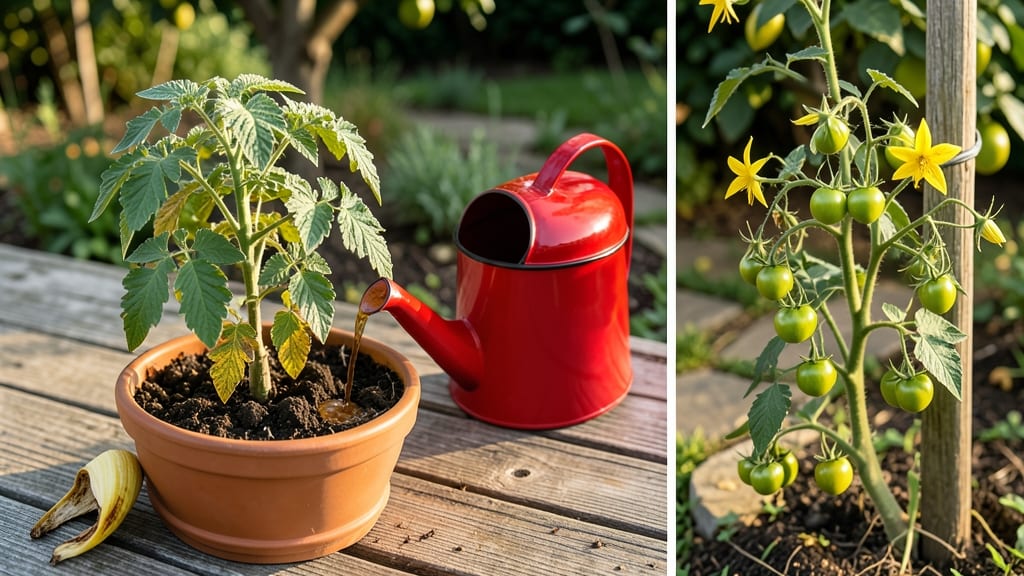
Banana water is good for tomato plants when used carefully, as it delivers potassium and natural sugars that enhance flowering and fruit development—but overdoing it can lead to nutrient overload or attract fruit flies. Always dilute it and apply it sparingly.
Banana water contains natural potassium and trace minerals that tomato plants crave, especially during fruiting stages. 🌱 The potassium helps strengthen cell walls, improving disease resistance and fruit quality, while the sugars provide a quick energy boost.
However, the sugar content can also create a sticky residue that attracts pests if not properly diluted. I recommend mixing 1 part banana water with 3 parts water and using it as a foliar spray every 2-3 weeks during the growing season.
What makes this method particularly effective is the way liquid fertilizers like banana water get absorbed through leaves and roots. This dual-action approach ensures nutrients reach the plant faster than traditional soil amendments.
Just be mindful of application timing—avoid spraying during hot afternoons to prevent leaf burn, and always test a small area first to monitor plant response.
💡 In This Article
- Key Nutrients in Banana Water for Tomato Growth
- How to Use Banana Water Safely on Tomato Plants
Key nutrients in banana water for tomato growth
Banana water is essentially a potassium-rich liquid fertilizer that also contains magnesium, calcium, and small amounts of phosphorus—all essential for tomato plants. 🌱 When bananas ripen, their potassium content increases significantly, with studies showing that ripe banana peels contain about 1,200 mg of potassium per 100 grams, compared to just 350 mg in a medium banana.
This potassium is what makes banana water so beneficial for tomatoes, as it helps regulate water movement in plant cells, leading to stronger stems and better fruit development.
The natural sugars in banana water provide an immediate energy source for plants, which is particularly useful during flowering and fruiting stages. These sugars stimulate microbial activity in the soil, creating a more fertile environment.
However, the sugar concentration varies depending on how long the water has been in contact with the banana—water from 2-3 day old banana peels contains about 5-10% sugar content, which is why dilution is crucial.
Too much sugar can lead to fungal growth or attract pests like fruit flies, which are drawn to the sweet residue.
Potassium's role in tomato plants goes beyond just growth—it's directly linked to disease resistance and fruit quality. Research from the University of Florida shows that potassium-deficient tomato plants are more susceptible to diseases like early blight and fusarium wilt.
The nutrient helps strengthen cell walls, making plants more resilient to environmental stressors. Additionally, potassium enhances the plant's ability to transport sugars and starches, resulting in sweeter, more flavorful tomatoes. 🍅 This is why gardeners often see improved fruit quality when using banana water as a supplement.
Another key nutrient in banana water is magnesium, which is vital for chlorophyll production. Tomato plants with adequate magnesium levels develop darker, healthier leaves and produce more flowers. The magnesium content in banana water is typically lower than potassium but still contributes to overall plant vitality.
For comparison, a 1-liter batch of banana water contains roughly 150-200 mg of magnesium, which is about 10% of what a tomato plant needs annually, making it a valuable but not exclusive nutrient source.
What sets banana water apart from commercial fertilizers is its organic nature and the way it delivers nutrients. Unlike synthetic fertilizers that can disrupt soil microbiomes, banana water feeds beneficial bacteria and fungi in the soil. This creates a synergistic effect where the plant absorbs nutrients more efficiently.
The liquid form also allows for faster absorption through foliar applications, making it an excellent choice for plants showing early signs of nutrient deficiency, such as yellowing leaves or weak stems.
For best results, combine banana water with other organic amendments like compost tea or fish emulsion to create a balanced nutrient profile.
This approach ensures your tomato plants receive a comprehensive range of nutrients without relying solely on banana water, which, while beneficial, should be used as a supplement rather than a standalone fertilizer. 🌿