
Planting
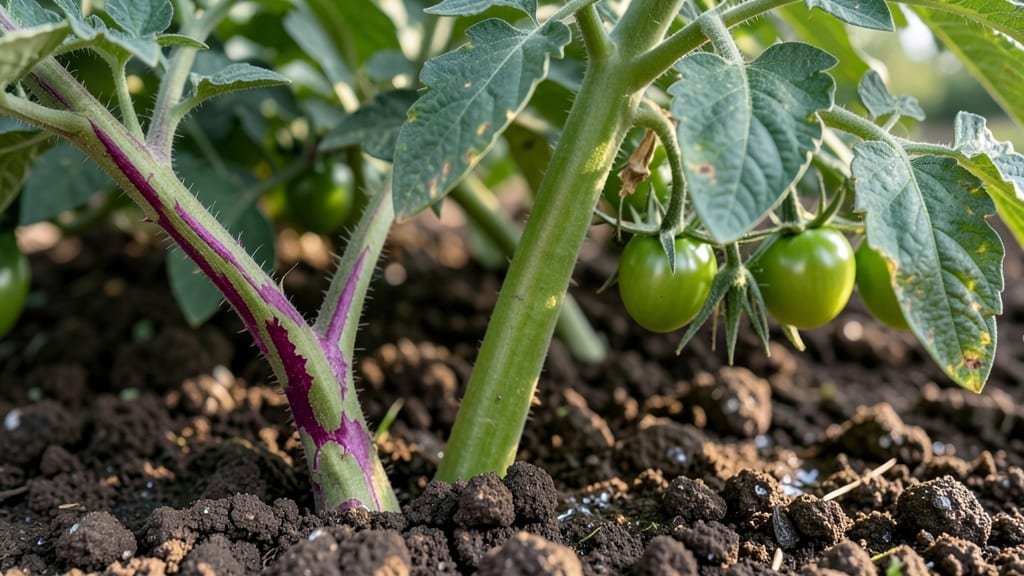
Tomato plant stems turning purple isn’t just an eyesore—it’s your plant’s SOS signal. 🌱 I’ve seen this happen after heavy rain, poor soil, or even overzealous fertilizing, and fixing it is simpler than you’d think. The good news? Most cases resolve in 7-10 days with the right tweaks.
This isn’t always a nutrient deficiency—sometimes it’s fungal stress from wet foliage or calcium starvation from uneven watering. Purple stems on younger plants often mean phosphorus overload, while older plants usually need potassium or magnesium. The key is checking the whole plant, not just the color.
You’ll start by adjusting watering (consistent moisture is critical) and testing your soil pH. A quick Epsom salt rinse or balanced fertilizer can turn those purple stems back to a healthy green in no time. I’ve saved entire plants this way—even ones that looked hopeless.
Prevention is easier than fixing: mulch heavily, avoid overhead watering, and rotate crops yearly. If the purple spreads fast or comes with spots, it might be disease—time to call in a local extension office for help.
Root Causes Of Purple Stems
When your tomato plant’s stems start showing off that unexpected purple hue, it’s usually a cry for help—specifically, a sign that something’s off in the soil or growth environment. Understanding the why behind this color shift is the first step to saving your plants.
Below, we break down the most common culprits, backed by science, so you can diagnose and fix the issue fast.
Tomatoes are warm-weather lovers, and when nighttime temperatures dip below 50°F (10°C), their stems may turn purple as a stress response. This isn’t just cosmetic—it’s a survival mechanism.
The plant produces anthocyanins (the pigments responsible for the purple color) to protect cell membranes from cold damage, much like how some fruits turn red in autumn.
Why it happens:
- Cold shock: Sudden temperature drops (especially in spring or fall) trigger anthocyanin production to shield delicate stem tissues.
- Slow metabolism: Cooler temps reduce nutrient uptake, leaving stems vulnerable to discoloration.
- Day-night swings: If daytime heat soars but nights stay chilly, the plant struggles to regulate growth, leading to purple streaks.
Pro tip: 💡 Use row covers or cloches to moderate nighttime temps, especially in early or late seasons. If frost is in the forecast, protect plants immediately—purple stems can signal irreversible damage if ignored.
Purple stems are often a classic symptom of low phosphorus, a nutrient critical for energy transfer and root development. While nitrogen gets all the attention, phosphorus (P) is the unsung hero—when it’s lacking, tomatoes can’t grow strong stems, and the plant compensates by producing anthocyanins to mask the deficiency.
Why it happens:
- Poor soil testing: Many garden soils are phosphorus-deficient, especially if they’ve been farmed heavily or amended with nitrogen-rich fertilizers (which can lock out phosphorus).
- Improper fertilization: Over-relying on synthetic nitrogen (like urea) without balancing it with phosphorus (e.g., bone meal or rock phosphate) throws the ratio off.
- pH problems: Phosphorus is least available in highly acidic (pH < 5.5) or alkaline (pH > 7.0) soils. Tomatoes thrive in 6.0–6.8 pH—test your soil to rule this out!
Quick fix: ✨ Apply a phosphorus-rich amendment like:
- Bone meal (3–4 tbsp per plant, worked into the soil)
- Rock phosphate (1–2 tbsp per plant, slow-release)
- Compost with high phosphorus content (aim for a 1-2-2 NPK ratio for tomatoes)
Side-dress plants with a balanced 5-10-10 fertilizer (low nitrogen, high phosphorus) for immediate relief.
Water stress—whether from drought or overwatering—can trigger purple stems by disrupting nutrient uptake and causing cellular damage. Tomatoes are thirsty but sensitive: they need consistent moisture, but their roots hate soggy or dry extremes.
Why it happens:
- Underwatering: When soil dries out, roots can’t absorb nutrients efficiently. The plant prioritizes survival, diverting energy to anthocyanin production to protect against oxidative stress.
- Overwatering: Waterlogged soil cuts off oxygen to roots, leading to anaerobic conditions that prevent phosphorus uptake. The stems turn purple as a distress signal.
- Inconsistent watering: Fluctuating moisture levels stress the plant, triggering pigment changes as a last-ditch effort to stabilize.
Actionable steps:
- 🔥 Check soil moisture: Stick your finger 1–2 inches into the soil. If it’s dry, water deeply until moisture reaches 6–8 inches down. If it’s soggy, hold off until the top 2 inches dry out.
- 🌡️ Mulch heavily: Use straw or wood chips to retain moisture and regulate soil temperature, reducing stress.
- 💧 Water at the base: Avoid wetting leaves to prevent fungal diseases (like early blight), which can worsen stem discoloration.
If you’ve recently transplanted seedlings or disturbed the roots (even gently), purple stems can appear as the plant recovers. Root damage disrupts nutrient flow, and the sudden stress prompts anthocyanin production to bulk up cell walls for protection.
Why it happens:
- Root pruning: Transplanting without preserving the root ball or disturbing roots during weeding can cause microscopic tears, slowing nutrient absorption.
- Poor hardening off: Seedlings moved from indoor/protected environments to harsh outdoor conditions without gradual acclimation suffer shock.
- Compaction or girdling: Roots growing in tight or rocky soil struggle to expand, leading to nutrient deficits and purple stems.
Recovery tips:
- 👨🍳 Handle roots gently: When transplanting, tease out roots carefully and avoid burying the stem too deep (the soil line should match the original graft).
- 🌱 Use root stimulants: Soak roots in a mycorrhizal fungus solution or diluted seaweed extract before planting to speed recovery.
- ⏰ Give it time: Purple from transplant shock usually fades in 1–2 weeks if conditions improve. Keep soil moist and avoid fertilizing until new growth appears.
Key takeaway: Purple stems are rarely fatal, but they’re a clear warning that your tomato’s basic needs aren’t being met. Start with the most likely culprit (temperature, phosphorus, or water) and adjust one variable at a time. Your plants will thank you with vibrant green stems—and a bumper crop!
Quick Fixes for Purple Tomato Stems
Now that you know the likely causes behind those unsightly purple streaks on your tomato plant stems, it’s time to roll up your sleeves and get to work! The good news? Most of these fixes are simple, cost-effective, and can be done in just a few minutes.
Let’s tackle each issue head-on with actionable steps and preventative tips to keep your plants thriving.
---
If your tomato stems are turning purple due to a lack of phosphorus or other essential nutrients, here’s how to correct it:
#### 🍳 Boost Phosphorus with Organic Amendments Phosphorus is crucial for root development and flowering, and purple stems often signal a deficiency.
Try these easy fixes: - Bone Meal: Sprinkle 1–2 tablespoons of bone meal around the base of the plant and gently scratch it into the top 2–3 inches of soil.
Water thoroughly to activate the nutrients. (Bonus: It also encourages stronger roots!) - Compost Tea: Brew a batch of compost tea (steep well-aged compost in water for 24–48 hours, then strain).
Use it to water your plants weekly for a slow-release nutrient boost. - Fish Emulsion: Mix 1 tablespoon of liquid fish emulsion with 1 gallon of water and apply it as a foliar spray or soil drench. Fish emulsion is rich in phosphorus and other micronutrients.
#### 🌱 Balance Other Nutrients with a Complete Fertilizer If your soil is lacking in multiple nutrients, a balanced fertilizer (like a 10-10-10 or 5-5-5 formula) can help restore equilibrium.
Follow these steps: 1. Test Your Soil: Use a simple DIY soil test kit (available at garden centers) to check pH and nutrient levels before applying fertilizer. 2. Apply Slow-Release Granules: Scatter granules around the plant’s drip line (not directly on the stem) and water deeply.
This prevents over-fertilization and burns. 3. Follow the Label: Overdoing it can harm your plants, so stick to the recommended dosage.
---
Purple stems can also appear when your tomato plants are under stress. Here’s how to soothe them:
#### 💧 Fix Watering Issues for Healthy Growth Tomatoes are sensitive to both drought and overwatering. Adjust your watering routine with these tips: - Consistent Moisture: Water deeply 1–2 times per week (depending on climate) to encourage strong root growth.
Aim for 1–1.5 inches of water per week, including rainfall. - Avoid Wet Leaves: Water at the base of the plant in the morning to prevent fungal diseases and reduce stress. - Mulch Like a Pro: Spread 2–3 inches of organic mulch (straw, grass clippings, or shredded leaves) around the base to retain moisture and regulate soil temperature.
#### 🌡️ Adjust Soil pH for Optimal Uptake If your soil is too acidic or alkaline, your plants can’t absorb nutrients properly.
Test your soil’s pH (ideal range: 6.0–6.8 for tomatoes) and make adjustments: - Lower pH (More Acidic): Mix in elemental sulfur or peat moss to gradually acidify the soil. - Raise pH (More Alkaline): Sprinkle wood ash or crushed limestone into the soil and water well. (Note: Test pH again in 2–3 weeks to avoid overcorrecting.)
#### ☀️ Shield Plants from Extreme Conditions Tomatoes thrive in warmth but hate heat stress.
If your plants are struggling with: - Too Much Sun: Provide afternoon shade with a lightweight shade cloth (30–50% coverage) during peak summer heat. - Cold Snaps: Cover plants with frost blankets or row covers if temperatures drop below 50°F (10°C).
---
Once your tomato stems are back to their healthy green, keep them that way with these proactive strategies:
#### 💡 Soil Prep Before Planting - Amend Soil Early: Mix compost, worm castings, and a balanced fertilizer into the soil 2–4 weeks before transplanting seedlings. - Avoid Fresh Manure: It can burn roots and disrupt nutrient balance. Use well-aged compost instead.
#### 🎯 Regular Monitoring and Maintenance - Weekly Inspections: Check stems, leaves, and soil moisture every 7 days.
Early signs of purple streaks are easier to fix! - Rotate Crops: If you grow tomatoes yearly in the same spot, rotate them to prevent nutrient depletion in the soil. - Prune Wisely: Remove suckers (small shoots between the stem and branches) to redirect energy to fruit production and reduce stress.
#### 🌱 Choose the Right Varieties Some tomato varieties are more resilient to nutrient stress. Consider disease-resistant hybrids (like ‘Celebrity’ or ‘Better Boy’) or heirloom varieties known for vigor (e.g., ‘Brandywine’ or ‘Sungold’).
--- Final Thought: Purple stems don’t mean your tomato plants are doomed—they’re just crying out for a little TLC! With these fixes, your plants should bounce back stronger, producing juicy, flavorful tomatoes in no time. 🍅✨
Frequently asked questions
Are purple tomato stems always a sign of nutrient deficiency?
Not necessarily! While phosphorus deficiency is common, purple stems can also mean cold stress, transplant shock, or even fungal infection. Check your plant’s overall health: if the leaves are crispy or yellowing, it’s likely water-related; if the soil feels cold, it’s temperature-related. Test your soil pH first—it might just need adjustment.
Can I still harvest tomatoes if the stems turn purple?
Purple stems rarely affect fruit quality, but monitor the plant closely. If the discoloration spreads quickly or appears with spots, remove affected leaves to redirect energy to the fruit. The tomatoes themselves won’t taste different, but severe cases might reduce yield if the plant is severely stressed.
How quickly should I see improvement after fixing the issue?
Most tomato plants show recovery in 7-10 days with proper care. If you’re addressing phosphorus deficiency, expect new green growth within 3-5 days of applying bone meal or compost tea. For temperature-related purple, protect plants immediately—cold damage can’t be reversed, but new growth will be normal if conditions improve.
Is Epsom salt safe to use for purple stems?
Yes, but use it correctly! Epsom salt provides magnesium, which helps with purple stems caused by deficiency. Mix 1 tablespoon per gallon of water and spray on leaves weekly (don’t overdo it—more isn’t better). For soil application, sprinkle ½ cup per plant around the base and water in. Test soil first—too much magnesium can cause other issues.
When should I call a plant doctor for purple stems?
If the purple spreads rapidly with black spots, wilting, or mushy stems, it could be fungal (like early blight) or bacterial wilt. Contact your local agricultural extension office—they can test for diseases and recommend targeted treatments. Never use bleach or harsh chemicals on edible plants; opt for copper-based fungicides if needed.