
Plants
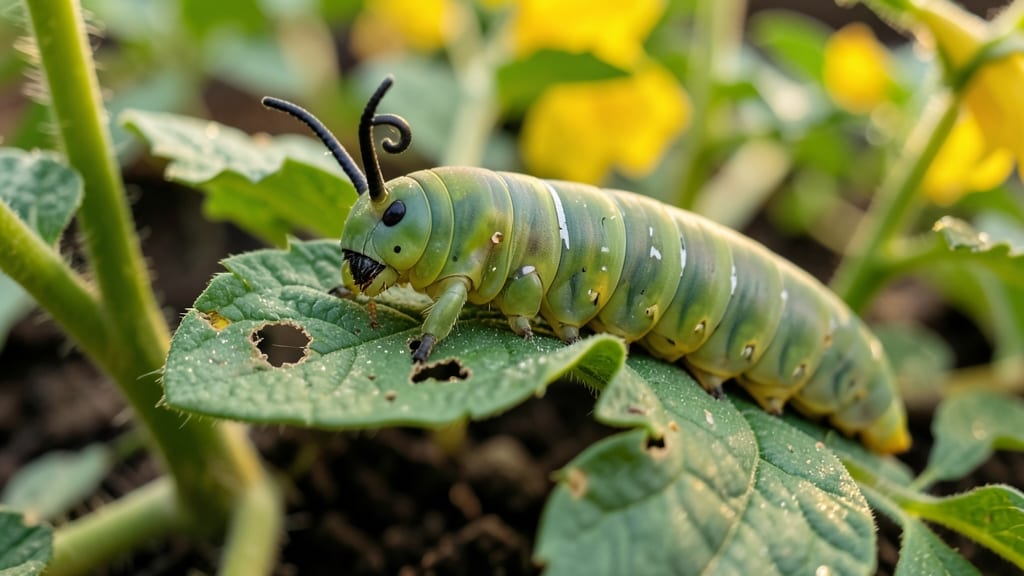
When the caterpillar eating tomato plants turns your garden into a skeleton leaf buffet overnight, row covers become your secret weapon. 🌱 I’ve lost entire harvests to tomato hornworms and other ravenous larvae, but lightweight fabric barriers now protect my plants without chemicals or handpicking battles every evening.
The key is timing—cover seedlings at planting, then remove covers during pollination (just for a few hours). You’ll still get plump tomatoes while keeping pests out entirely. No more frantic searches for caterpillars or wilted plants the next morning.
This method works for peppers, eggplants, and even cabbage too. Your garden stays productive while avoiding the mess of sprays or the frustration of constant monitoring. Let’s keep those caterpillars out for good.
Best of all, row covers last for years and cost pennies per season. No more helplessly watching your plants get devoured—just a simple, effective shield that works while you’re inside enjoying your harvest.
The Hidden Triggers Behind Leaf Loss
When you spot your tomato plants looking ragged—chewed leaves, missing stems, or even skeletonized foliage—it’s often the work of hungry caterpillars. But why do these pests suddenly turn your garden into an all-you-can-eat buffet?
The answer lies in a mix of environmental cues, plant vulnerabilities, and the caterpillars’ own survival instincts. Let’s break down the key reasons these leaf-munching critters target your tomatoes—and how you can outsmart them before they strike.
Caterpillars aren’t just random snackers—they’re drawn to plants that signal they’re easy prey. Tomatoes under stress (from drought, overwatering, or nutrient deficiencies) produce volatile organic compounds (VOCs) that act like a dinner bell for pests.
These chemical cues—like methyl jasmonate—tell caterpillars, “This plant is weak, and I can eat it without much resistance.”
💡 Pro Tip: Keep your tomato plants healthy with consistent watering (1–1.5 inches per week) and a balanced fertilizer (high in potassium for stress resilience). Mulch around the base to stabilize soil moisture and reduce stress signals.
Most garden-devouring caterpillars (like tomato hornworms or cabbage loopers) start life as eggs laid by adult moths. These moths are highly selective—they target plants based on scent, leaf texture, and even the presence of other caterpillars (a phenomenon called oviposition stimulation).
If one caterpillar is already feasting on your tomatoes, moths will drop eggs nearby, creating a caterpillar feeding frenzy in days.
🔍 Key Clues:
- Look for tiny white or yellow eggs on the undersides of leaves (especially near new growth).
- Check for silken webbing or frass (caterpillar poop)—a sign eggs have already hatched.
- Moths are most active at dusk and dawn, so inspect plants during these times.
Caterpillars thrive in warm, humid conditions, which is why your tomato plants might face a siege during peak growing seasons (late spring to early fall). Here’s how timing plays a role:
| Season | Why Caterpillars Strike | Actionable Defense |
|---|---|---|
| Spring | Mild temperatures allow moths to emerge early, and young tomato plants are tender. | Use floating row covers at planting to block moths before eggs are laid. |
| Summer | Heat and humidity speed up caterpillar growth—larvae can go from egg to hungry monster in 10–14 days. | Handpick caterpillars daily (especially at dawn) and introduce parasitic wasps (like Cotesia congregata). |
| Fall | Cooler nights slow caterpillars down, but they’ll still target stressed plants prepping for winter. | Remove garden debris where pupae hide and apply neem oil as a deterrent. |
Not all tomatoes are equally appealing to caterpillars. Heirloom and indeterminate varieties (like ‘Brandywine’ or ‘Cherokee Purple’) often have thicker leaves and higher moisture content, making them a caterpillar’s dream.
Meanwhile, resistant hybrids (e.g., ‘Mountain Merit’ or ‘Defiant PhR’) produce compounds like α-tomatine, which deter pests—but even these aren’t foolproof.
🌡️ Heat = Higher Risk: Tomatoes grown in hot climates (above 85°F) develop softer leaves, which caterpillars find irresistible. If you’re in a warm zone, prioritize shade cloth or drip irrigation to keep foliage tough.
Caterpillars are part of a delicate food web. In a healthy garden, birds, parasitic wasps, ladybugs, and spiders keep their populations in check. But when you overuse broad-spectrum pesticides (like malathion), you eliminate these natural allies faster than the caterpillars—leaving your tomatoes defenseless.
✨ Encourage Good Guys:
- Plant companion flowers like dill, fennel, or marigolds to attract predator insects.
- Avoid spraying pesticides after sunset (when beneficial insects are most active).
- Install a bird feeder or bat house to lure caterpillar-hunting wildlife.
How to Stop Caterpillars Devouring Tomatoes
Caterpillars feasting on your tomato plants can feel like a losing battle, but with the right strategies, you can reclaim your garden—and your harvest!
Below are practical, step-by-step solutions tailored to the most common culprits (hornworms, tomato loopers, and cutworms) along with prevention tips to keep pests at bay for good.
Best for: Hornworms, tomato loopers, and smaller caterpillars. Why it works: Catching pests early prevents them from multiplying and destroying your plants.
- 👨🍳 When to do it: Check plants morning or evening (when caterpillars are sluggish).
- 🔪 How to remove them:
- Wear gloves and inspect leaves, stems, and fruit.
- Drop caterpillars into soapy water (1 tbsp dish soap per gallon) to kill them instantly.
- For large hornworms, squish them between your fingers (they’re tough but harmless to handle).
- ⏰ Frequency: Do this every 2–3 days during peak caterpillar season (late spring to early fall).
💡 Pro Tip: Train kids or pets to help—it’s a fun (and educational) garden activity!
Best for: All caterpillar types (especially cutworms and loopers). Why it works: Lightweight fabric blocks pests without chemicals, while still allowing sunlight, water, and pollination.
- 🛒 What to buy:
- Floating row covers (made of fine mesh, 0.6mm or smaller).
- Hoop tunnels (for larger plants) or stakes + clips (for smaller beds).
- 🔧 How to install:
- Cover young plants before pests appear (early spring).
- Secure edges with soil or weights to prevent caterpillars from crawling underneath.
- Remove covers when flowers appear (to allow pollination), but reapply after harvest if pests return.
- 🌡️ Temperature note: Avoid covers on hot days (above 85°F/30°C)—they can overheat plants.
✨ Bonus: Row covers also deter beetles, moths, and aphids—a multi-purpose defense!
Best for: Hornworms and young caterpillars (less effective on hairy caterpillars like tomato fruitworms). Why it works: Bacillus thuringiensis (BT) is a natural bacteria that kills caterpillars’ digestive systems, while neem oil disrupts their feeding and growth.
| Solution | How to Apply | When to Use | Safety Notes |
|---|---|---|---|
| BT (Dipel, Thuricide) | Mix 1 tsp per gallon of water. Spray evenly on leaves (avoid flowers). | Evening or cloudy days (UV degrades BT). Reapply after rain. | Pet-safe when dry. Avoid spraying bees. |
| Neem Oil | Mix 1 tbsp neem oil + 1 tsp mild soap per quart of water. Spray all plant surfaces. | Early morning or late evening. Apply every 7–10 days. | Non-toxic but may harm beneficial insects if overused. |
💡 Pro Tip: For hairy caterpillars (like tomato fruitworms), BT may not work—switch to handpicking or row covers.
Best for: Cutworms and loopers (prevents egg-laying). Why it works: Caterpillars are drawn to specific scents or colors, which you can use to lure them away from your tomatoes.
- 🍎 Apple Cider Vinegar Trap (for cutworms):
- Fill a shallow dish with apple cider vinegar + a drop of dish soap.
- Place near tomato plants—cutworms will drown trying to reach the liquid.
- 🟡 Yellow Sticky Traps (for loopers & moths):
- Hang yellow cards coated in Tanglefoot near plants.
- Adult moths (which lay eggs) get stuck, reducing future caterpillar hatches.
- 🌙 Moonlight Disruption:
- Install a low-wattage LED light near plants—some moths avoid bright lights, reducing egg-laying.
🎯 Prevention Tip: Rotate traps weekly to maintain effectiveness.
Best for: Long-term pest control (reduces need for sprays). Why it works: Many birds, wasps, and beneficial insects eat caterpillars—attracting them cuts down on manual work.
- 🐦 Bird-Friendly Garden:
- Install birdhouses and birdbaths.
- Plant native shrubs (like elderberry or serviceberry) to attract robins, bluebirds, and wrens—they love eating caterpillars.
- 🐝 Parasitic Wasps:
- Braconid wasps lay eggs inside caterpillars, killing them naturally.
- Avoid pesticides (even organic ones) to keep wasp populations healthy.
- 🦎 Ladybugs & Lacewings:
- Buy ladybug larvae or lacewing eggs from garden centers.
- Release them at dusk when they’re most active.
🔥 Hot Tip: Plant dill, fennel, or marigolds near tomatoes—they attract predatory insects while repelling pests.
The best defense? Avoid giving them a reason to visit!
- 🌱 Plant Resistant Varieties:
- Try ‘Mountain Merit’ or ‘Defiant PhR’ tomatoes—they’re bred to resist pests and diseases.
- 🌿 Interplant with Repellents:
- Basil, mint, or garlic near tomatoes confuse caterpillars with their strong scents.
- 🌙 Plant at the Right Time:
- Avoid early spring plantings—cool weather attracts more moths.
- Succession plant (space out sowing) to break up pest cycles.
- 🧹 Keep Garden Clean:
- Remove fallen leaves and debris (where caterpillars hide).
- Rotate crops yearly to disrupt moth breeding grounds.
If caterpillars keep coming back despite your efforts:
- 📞 Contact your local cooperative extension service for region-specific advice.
- 🛒 Try spinosad spray (derived from soil bacteria)—it’s highly effective but use sparingly (harms bees).
- 🔄 Consider crop rotation or polyculture (growing multiple plant types together) to confuse pests.
Final Thought: The key is layered defense—combine row covers, handpicking, and natural predators for the most effective (and low-stress) results. With these methods, you’ll save your tomatoes—and your sanity!** 🍅🚫🐛
Frequently asked questions
What are the most common caterpillars that attack tomato plants?
The top culprits are tomato hornworms (green with white stripes), tomato loopers (green with smooth bodies), and cutworms (gray/brown that chew stems at night). Hornworms grow up to 4 inches and can defoliate plants in days! Look for their black droppings (frass) on leaves.
Will removing caterpillars harm my tomato plants?
Not at all! Handpicking is completely safe for your plants. The only risk is missing a few eggs or small larvae, but regular checks (every 2-3 days) prevent major damage. Just drop them in soapy water—it’s humane and effective.
How do I know if my tomato damage is from caterpillars vs. something else?
Check for these clues: chewed holes with frass (poop), skeletonized leaves, or missing stems (cutworms). Unlike deer or rabbits, caterpillars leave irregular edges—no clean bites. Also look for silken webbing or eggs on undersides.
Can I use row covers on flowering tomato plants?
Yes, but remove them during pollination (when flowers open). Use hoops or stakes to lift covers temporarily for 2-3 hours daily. For indeterminate varieties, focus on protecting leaves—fruit already set won’t be damaged by caterpillars.
What's the fastest way to stop a caterpillar outbreak?
Combine BT spray (Bacillus thuringiensis) with handpicking. Spray BT at dusk (it needs moisture to work) and check plants morning/evening. For severe cases, neem oil (applied every 7 days) disrupts their feeding. Results appear in 24-48 hours.