
Vegetables
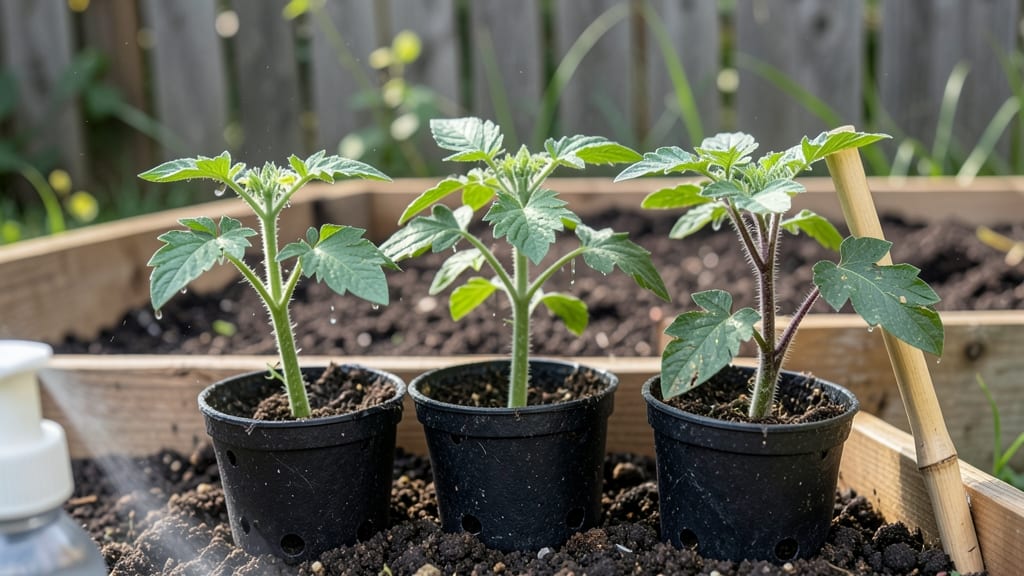
Growing Cherokee Purple tomato seedlings means rich, meaty slices with a flavor that rivals heirloom tomatoes from specialty stores. 🌱 The key to success starts with strong, healthy seedlings that resist common diseases and grow into productive plants.
My first batch of Cherokee Purples nearly failed when I ignored their unique needs—until I learned their secrets. These tomatoes thrive in warm soil (60°F or above) and need 12-14 hours of sunlight daily, but they’re surprisingly disease-resistant if you avoid overwatering.
The deep purple fruit hides a sweet, smoky flavor that’s perfect for slicing or sauces. Start seeds indoors 6-8 weeks before your last frost for the best results. By the time you transplant, your seedlings should be stocky with 4-6 true leaves, ready to handle outdoor conditions.
The first fruits appear in 70-80 days, but patience pays off with tomatoes that keep producing until frost. Proper spacing (18-24 inches apart) prevents crowding and improves air circulation. For home gardeners, this variety is a game-changer—bold flavor, fewer pests, and reliable yields.
Just remember: Cherokee Purples need consistent moisture and rich soil to reach their full potential. Let’s get those seedlings growing!
📚 In This Guide
- What you need
- Instructions
- Tips and common mistakes
- Wrapping up and next steps
What you need
- ● Cherokee Purple tomato seeds – 1–2 packets (or 10–20 seeds if starting fresh). Choose heirloom, non-GMO seeds for the best flavor and disease resistance.
- ● Seed-starting mix – 1–2 cubic feet of a sterile, lightweight potting mix (avoid garden soil—it’s too dense and can harbor diseases). Look for blends labeled "seed-starting" or "organic seedling mix."
- ● Seed trays or biodegradable pots – 50–100 cell trays or 2–3 inch pots (biodegradable pots are great for transplanting later).
- ● Grow lights or a sunny windowsill – 12–16 hours of light daily (grow lights are ideal; a south-facing window works too).
- ● Watering can or spray bottle – With a fine mist nozzle to avoid disturbing seeds.
- ● Plastic wrap or humidity dome – To create a mini greenhouse until seeds germinate.
- ○ Fertilizer (optional but recommended) – A balanced, water-soluble fertilizer (like 5-5-5 or 10-10-10) or a seaweed-based tonic for organic growth.
- ● Plant labels and markers – To keep track of your seedlings (Cherokee Purples can be tricky to ID early on!).
- ● Small hand trowel – For transplanting seedlings later.
- ● Pruning shears – To trim suckers and encourage bushier growth.
- ○ Thermometer (optional) – To monitor soil temperature (70–85°F is ideal for germination).
- ● Compost or worm castings – For nutrient-rich soil when transplanting outdoors.
- ● Time commitment – Cherokee Purples need 80–90 days to mature. Start seeds 6–8 weeks before your last frost date.
- ● Patience – Germination can take 7–14 days (sometimes longer in cool conditions).
- ● Space planning – These tomatoes need 18–24 inches of space per plant (they’re large and sprawling!).
- ● Disease awareness – Cherokee Purples are resistant to some diseases, but they’re still prone to blight and pests. Keep an eye out!
Step-by-step guide to growing Cherokee Purple tomato seedlings
Here’s how to raise vigorous, disease-resistant Cherokee Purple seedlings—rich in flavor and robust enough to handle your climate.
🌱 Step 1: Start Seeds Indoors with Warmth and Moisture
Fill seed trays with a sterile seed-starting mix (not garden soil) and moisten it until damp but not soggy. Cherokee Purple seeds germinate best at 75-85°F, so place trays on a seedling heat mat or in a warm spot like on top of the fridge. Sow seeds ¼ inch deep, two per cell, and cover lightly with additional mix.
Mist the surface with a spray bottle to keep seeds evenly moist—overwatering now risks drowning them. Place a clear plastic dome or plastic wrap over the tray to trap warmth and humidity. Check daily for condensation; if the dome fogs up, remove it briefly to prevent fungal growth. Germination typically takes 7-10 days, but stay patient—some seeds may take up to 14 days.
☀️ Step 2: Provide Strong Light Immediately After Germination
The moment seedlings emerge, move them under 14-16 hours of bright light daily. A full-spectrum LED grow light positioned 2-4 inches above the plants ensures strong, stocky growth. Without enough light, seedlings stretch toward the source (leggy growth), which weakens them permanently.
Rotate trays ¼ turn daily so seedlings grow straight and even. You’ll notice healthy Cherokee Purple seedlings have dark green, thick stems and compact spacing between leaves. If leaves look pale or stems bend, your light is too far away—adjust immediately. Avoid placing seedlings near cold windows; drafts stunt growth.
💧 Step 3: Water and Fertilize for Disease Resistance
Water seedlings from below using a tray filled with ½ inch of water—this prevents fungal diseases like damping-off. Let the soil dry slightly between waterings; soggy soil invites rot. Once true leaves (not the initial cotyledons) appear, switch to a balanced liquid fertilizer (like 10-10-10) diluted to half strength. Fertilize every 2 weeks to build resilience.
Cherokee Purples thrive with moderate moisture—never let soil dry out completely, but avoid soggy conditions. You’ll see stronger seedlings with deep purple undertones in the stems, a sign of their disease-resistant genetics. If lower leaves yellow, reduce water slightly; overwatering is the #1 killer of tomato seedlings.
⏰ Step 4: Harden Off Before Transplanting
Two weeks before your last frost date, begin hardening off seedlings by placing them outside in a sheltered, shaded spot for 1-2 hours the first day. Gradually increase exposure over 10-14 days, ending with a full day in morning sun. This toughens seedlings against wind, sun, and temperature swings.
Transplant on an overcast afternoon to reduce shock. Bury seedlings deeper than usual—up to the first set of true leaves—to encourage strong root systems. Space plants 24-36 inches apart in well-draining soil amended with compost. Mulch with straw to retain moisture and prevent soil-borne diseases.
🌿 Step 5: Support and Prune for Maximum Flavor
Install sturdy cages or stakes at planting to support Cherokee Purple’s heavy fruit. Prune suckers (shoots in the leaf axils) weekly to direct energy into fruit production. Remove lower leaves that touch the soil to prevent disease. You’ll notice fewer but larger, deeper-colored tomatoes with proper pruning.
Water at the base (not overhead) to keep foliage dry, reducing blight risk. Harvest when tomatoes turn deep purple and yield slightly to gentle pressure. Cherokee Purples are worth the care—their rich, smoky-sweet flavor makes every effort worthwhile.
Tips & tricks for perfect Cherokee Purple tomato seedlings
A few strategic moves will help you grow Cherokee Purple seedlings that stand out in flavor and resilience. Here's what I've learned from years of trial and error with these heirloom beauties.
Germination Environment: The 75-85°F temperature range is non-negotiable for Cherokee Purple seeds. I've found that placing trays on a seedling heat mat actually creates a more consistent environment than relying on kitchen warmth. If your home stays below 70°F, consider using a small greenhouse or propagator to maintain those ideal conditions. The plastic dome helps trap humidity, but remember to remove it briefly each day to prevent fungal growth—condensation buildup can suffocate your seeds before they even sprout.
Lighting Strategy: Those 14-16 hours of light are critical for preventing leggy seedlings. I use a full-spectrum LED grow light on a timer to automate this process completely. Position it just 2-3 inches above the seedlings at first, then gradually increase to 4 inches as they grow. The key visual cue for proper lighting is compact spacing between leaves—if you see leaves touching each other, your light is too close. For budget options, fluorescent shop lights work well too, but you'll need to keep them much closer (about 1 inch) and change bulbs every 6-8 months as their output dims.
Watering Wisdom: The bottom-watering technique with ½ inch of water in the tray is a game-changer for disease prevention. I've seen damping-off wipe out entire trays when people water from above. For extra insurance, add a small amount of hydrogen peroxide (just 1 tablespoon per gallon of water) to your watering routine during the first two weeks. This gives your seedlings a natural fungal defense boost without harming them. Watch for those deep purple stems—it's a sign your seedlings are developing the disease resistance that makes Cherokee Purples so special.
Harden Off Gradually: The 10-14 day hardening process is where many gardeners rush and end up with shocked plants. Start with just 1-2 hours in shade on day one, then increase by 30-60 minutes each subsequent day. I've found that placing seedlings in a spot with morning sun and afternoon shade works best for the final few days. This mimics natural sunlight patterns and helps prevent sunburn. The real test comes when you see the seedlings standing tall and firm after their final day in full sun—then you know they're ready for transplanting.
Pro Tips for Cherokee Purple Tomato Seedlings
- A few strategic moves will help you grow Cherokee Purple seedlings that stand out in flavor and resilience.
- Germination Environment: The 75-85°F temperature range is non-negotiable for Cherokee Purple seeds.
- Lighting Strategy: Those 14-16 hours of light are critical for preventing leggy seedlings.
Frequently asked questions
Got questions about growing Cherokee Purple tomato seedlings? You’re not alone!
Here are answers to the most common queries to help you cultivate bold, flavorful tomatoes with confidence.
How long does it take for Cherokee Purple tomato seedlings to germinate?
Typically, Cherokee Purple tomato seeds sprout within 5–14 days after planting, depending on soil warmth and moisture. Keep the soil consistently moist (not soggy) and maintain a temperature of 70–85°F for faster germination. Patience is key—some seeds may take longer, especially in cooler conditions.
When is the best time to transplant Cherokee Purple seedlings outdoors?
Wait until nighttime temperatures stay above 50°F (10°C) and all frost risk has passed. Seedlings should have 3–4 true leaves and be at least 4–6 inches tall before transplanting. Harden them off for 7–10 days by gradually exposing them to outdoor conditions to avoid shock.
Why are my Cherokee Purple seedlings turning yellow or wilting?
Yellowing leaves often signal overwatering, underwatering, or nutrient deficiencies. Check the soil moisture—it should feel damp but not waterlogged. Wilting can also mean root stress (e.g., from transplant shock) or heat stress. Move seedlings to a shadier spot if temps exceed 90°F (32°C) and ensure they’re getting 6+ hours of sunlight daily.
Can I grow Cherokee Purple tomatoes in containers, or do they need a garden bed?
Cherokee Purples thrive in 5-gallon containers or larger with proper drainage. Use a high-quality potting mix enriched with compost, and stake or cage the plants early to support their heavy vines. Just ensure containers get full sun and you fertilize regularly (every 2–3 weeks) for optimal fruit production.
Are Cherokee Purple tomatoes disease-resistant? What pests should I watch for?
Cherokee Purples are moderately resistant to fusarium and verticillium wilt, but they’re still susceptible to blight, early blight, and aphids. To prevent issues, rotate crops yearly, avoid overhead watering, and use neem oil or insecticidal soap for pests. Prune lower leaves to improve airflow and reduce humidity around the plants.
Pro Tip:
For extra flavor, pinch off early blossoms until seedlings are 12–14 inches tall. This redirects energy to leafy growth, leading to bigger, sweeter tomatoes later in the season!
Wrapping up and next steps
Growing Cherokee Purple tomato seedlings isn’t just about nurturing a plant—it’s about cultivating a flavor experience and a resilient garden staple. With the right care, these heirloom beauties will reward you with rich, meaty tomatoes that shine in salads, sauces, and sandwiches.
Their disease-resistant nature makes them a low-maintenance superstar for both beginners and seasoned gardeners.
Ready to harvest bold flavors? Start by planting your seedlings this season and watch your garden thrive! For extra confidence, join a local gardening group or explore seed-saving tips to keep the cycle going. Happy growing—your taste buds will thank you! 🌱🍅