
Plants
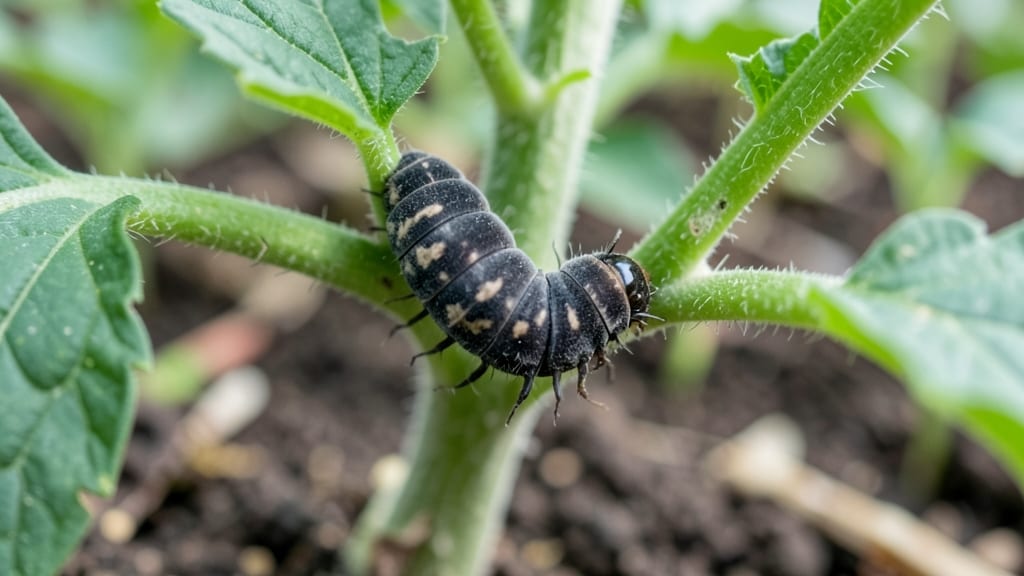
Your tomato plants are showing the telltale signs of cutworm damage—chewed stems and disappearing leaves mean lost harvests if you don’t act fast. 🌱 I’ve spent years battling these sneaky pests, and I’ve found the organic fixes that work—without harsh chemicals or expensive traps.
The damage looks like clean-cut stems or leaves disappearing overnight, but the good news? You can stop it fast with simple, effective methods.
Cutworms thrive in moist, dark soil, so they’re often hidden until they strike. The key is acting fast: handpicking them at night (they’re most active then), using cardboard collars around stems, or introducing beneficial nematodes to the soil.
I’ve even used diatomaceous earth around plants—it’s non-toxic but deadly to these pests. The goal? Save your plants before they’re severed at the base.
Prevention is easier than cleanup. Row covers in early spring block cutworms before they hatch, and clean cultivation (removing debris) reduces their hiding spots. Over time, healthy soil with compost and mulch makes your plants tougher to attack.
With these tricks, you’ll protect your tomatoes and keep your harvests intact—no more chewed-up stems or wasted plants.
Even if you’ve lost a few plants already, don’t give up. The right mix of early intervention, organic controls, and soil health turns the tide. Once you’ve mastered these steps, you’ll spot cutworm damage before it spreads—and your tomatoes will thrive all season long.
Let’s get those plants back on track.
Root Causes Of Tomato Damage
Understanding why cutworms target your tomato plants is the first step in stopping them before they wreak havoc. These sneaky pests don’t just appear out of nowhere—they’re drawn by specific conditions and behaviors. Let’s break down the key reasons behind their destructive habits.
Cutworms are particularly fond of young tomato seedlings and saplings because their soft stems and leaves are easy to chew through. Here’s why they zero in on these vulnerable plants:
- High Moisture Content: Young plants retain more water, making their tissues juicier and more appealing to cutworms.
- Thin Cell Walls: The cell structure of seedlings is less rigid, offering minimal resistance to the pests’ mandibles.
- Nutrient-Rich Foliage: New growth is packed with sugars and proteins, which act like a buffet for hungry larvae.
Pro Tip: 💡 If you notice your seedlings wilting at the base but the leaves are still green, cutworms are likely the culprits. Check the soil surface at night with a flashlight—they’ll reveal themselves as they feed!
Cutworms are night owls, emerging under the cover of darkness to avoid predators and harsh sunlight. Their behavior explains why damage often goes unnoticed until it’s too late:
- Avoiding Predators: Birds, toads, and other daytime hunters keep cutworms hidden during the day, only surfacing when it’s dark.
- Cooler Temperatures: Nighttime humidity and cooler air create ideal conditions for their activity, as they lose less moisture while feeding.
- Less Human Disturbance: Without gardeners or pets around, they can munch undetected for hours.
Pro Tip: 🌡️ Set up a simple blacklight trap near your tomato patch at dusk. Cutworms are attracted to UV light and will gather on the light source, making them easy to spot and remove.
Cutworms thrive in environments where they can hide and multiply unchecked. Poor soil management creates the perfect breeding ground:
- Organic Debris: Leaves, mulch, and plant residues provide shelter and moisture, encouraging cutworm eggs to hatch and larvae to grow.
- Lack Of Cultivation: Unturned soil allows cutworm pupae to overwinter safely, emerging stronger in the spring.
- Weed Infestation: Weeds like chickweed or lamb’s quarters often host cutworm eggs and attract adult moths looking to lay more.
Pro Tip: ✨ Before planting tomatoes, till the soil to disrupt pupae and remove weeds. Add a layer of diatomaceous earth (food-grade) around plants to deter eggs from hatching.
Planting the same crops year after year—especially tomatoes—signals to cutworms that your garden is a reliable food source. Monoculture also depletes natural predators:
- Fewer Natural Enemies: A diverse garden supports ladybugs, ground beetles, and parasitic wasps that prey on cutworms.
Monoculture reduces these beneficial insects. - Consistent Food Supply: Cutworms learn that your garden is a predictable meal, leading to larger infestations over time. - Soil Fatigue: Overworked soil lacks the nutrients to support healthy plants, making them more susceptible to pest attacks.
Pro Tip: 🎯 Interplant tomatoes with basil, marigolds, or onions—their strong scents repel cutworms and attract beneficial insects. Rotate crops annually to break the pest cycle.
Cutworms are highly sensitive to environmental moisture. Excessive rain or irrigation creates the ideal conditions for their life cycle:
- High Humidity: Cutworm eggs and larvae require moist environments to survive.
Prolonged dampness speeds up their development. - Frequent Watering: Overwatered soil keeps cutworms hydrated and active, while dry conditions stress them out. - Spring Rains: Heavy rainfall in early spring triggers mass hatching of cutworm eggs, leading to sudden outbreaks.
Pro Tip: 💦 Water tomato plants early in the morning to allow foliage to dry quickly, reducing humidity around the soil. Use drip irrigation to avoid wetting leaves, which can attract pests.
Leaving plant debris, fallen leaves, or old tomato stems in the garden creates a haven for cutworms. Here’s how sloppy cleanup fuels the problem:
- Hidden Eggs: Female moths lay eggs in decaying organic matter.
If not removed, these hatch into larvae ready to attack. - Shelter For Larvae: Mulch piles or compost heaps can become breeding grounds if not managed properly. - Overwintering Sites: Cutworm pupae survive winter in undisturbed soil or debris, emerging stronger in spring.
Pro Tip: 🔥 After harvesting, remove all plant waste from the garden bed and compost it in a sealed bin (not directly in the soil). Solarize the soil in late summer by covering it with clear plastic to kill pupae.
By addressing these root causes, you can disrupt the cutworm life cycle and protect your tomato plants before damage occurs. The key is prevention through awareness—knowing their triggers lets you outsmart them!
How to Fix Cutworm Damage Fast
Discovering chewed tomato stems or missing seedlings can be devastating, but don’t panic—these nocturnal pests are beatable with a mix of prevention, quick fixes, and organic tactics.
Below, we map the most common causes of cutworm damage to tomato plants and the easiest, most effective solutions to stop them in their tracks. Whether you’re dealing with new infestations or persistent problems, these methods will help you reclaim your garden—without toxic chemicals.
Cutworms are most active after dark, sneaking up to sever stems at soil level. If you’ve spotted ragged stems or collapsed seedlings in the morning, these pests are likely the culprits. Here’s how to interrupt their midnight raids:
- 🍳 DIY Collar Barriers
Slip cardboard egg cartons, toilet paper rolls, or metal collars (like from soda cans) around young tomato stems. Cutworms can’t climb smooth surfaces, so they’ll move on. For larger plants, bury plastic or metal collars 2–3 inches deep around the base.
- 👨🍳 Beer Traps (Yes, Really!)
Cutworms are attracted to the scent of beer. Bury a shallow dish filled with beer near your plants—they’ll drown in it overnight. Refresh every 2–3 days for maximum effect. (Bonus: It’s a fun way to repurpose leftover brews!)
- 🥘 Flashlights & Flash Frosts
Shine a bright flashlight on plants at night (cutworms freeze when exposed to light). For a natural population control, let temperatures drop to 28°F (-2°C) or lower—cutworms won’t survive severe cold snaps.
Cutworms thrive in dense, mulch-heavy gardens where they can hide and multiply. If your tomato plants are too close together or buried under thick mulch, you’re giving these pests a five-star hideout. Fix it with:
- ⏰ Thin Seedlings Early
Space tomato seedlings 18–24 inches apart to improve airflow and reduce hiding spots. If you’re direct-sowing, thin seedlings to avoid competition—and cutworm buffets.
- 🔪 Remove Mulch Temporarily
Cutworms love organic mulch. For a few nights, pull back mulch from tomato bases and handpick larvae (they’re fuzzy caterpillars, 1–2 inches long). Replace mulch only after treating the area.
- 🌱 Crop Rotation & Trap Crops
Plant radishes or lettuce nearby—cutworms prefer these over tomatoes. After harvest, rotate tomatoes to a new bed next season to break their life cycle.
Cutworms have natural enemies that can keep their numbers in check. Encourage these allies and use gentle organic sprays
to deter pests without harming your plants or the ecosystem.- 💡 Invite Beneficial Bugs
Ladybugs, parasitic wasps, and ground beetles eat cutworm eggs and larvae. Attract them by:
- Planting dill, fennel, or marigolds nearby.
- Avoiding broad-spectrum pesticides that kill these helpers.
- Leaving leaf litter in garden edges for beetles to hide.
- 🌡️ Bacillus thuringiensis (Bt) Spray
This organic bacteria is deadly to cutworms but harmless to humans and pets. Spray Bt kurstaki (for caterpillars) in the evening when cutworms are active. Reapply every 7–10 days or after rain.
- 🎯 Spicy & Soapy Repellents
Mix 1 tsp cayenne pepper + 1 tbsp dish soap + 1 quart water in a spray bottle. Coat tomato stems and soil around the base. The spiciness and soap repels cutworms while being safe for plants.
The best way to eliminate cutworm damage is to make your garden unwelcoming to them in the first place. Try these proactive strategies for a cutworm-free future:
- ✨ Early Planting Tricks
Cutworms overwinter in soil, so plant tomatoes after the last frost when soil temps hit 55°F (13°C). If you must start early, use row covers until plants are established.
- 🌿 Companion Planting
Tomatoes love basil, onions, and garlic—these repel cutworms naturally. Interplant them to create a protective barrier.
- 🔍 Soil Solarization
In late spring, cover bare soil with clear plastic for 4–6 weeks. The sun heats the soil to 120°F (49°C), killing cutworm eggs and larvae before planting.
- 🍅 Choose Resistant Varieties
Some tomato types (like ‘Mountain Merit’ or ‘Celebrity’) are tougher against pests. Check seed packets for disease- and pest-resistant labels.
With these targeted fixes, you’ll crush cutworm damage and keep your tomato plants thriving. Start with barriers and traps for immediate relief, then shift to prevention for long-term success. Happy gardening—and enjoy those hole-free harvests! 🍅✨
Frequently asked questions
How do I tell if my tomato plants have cutworm damage?
Look for clean-cut stems at soil level or missing leaves overnight—cutworms sever plants just above the ground. You might also spot 1–2 inch fuzzy caterpillars hiding in soil or mulch during the day. Check at night with a flashlight when they’re most active.
Can I use chemical pesticides for cutworm damage?
While chemical pesticides like carbaryl or permethrin can kill cutworms, they harm beneficial insects and may leave residues. For organic gardens, Bacillus thuringiensis (Bt) is a safer alternative—it targets caterpillars only and breaks down quickly. Always follow label instructions.
Why do cutworms attack tomato plants more than other vegetables?
Tomato seedlings have soft, nutrient-rich stems that cutworms find irresistible. Young plants also grow close to the ground, making them easy targets. Cutworms prefer tender new growth, and tomatoes often provide both in abundance—especially in early spring when other crops aren’t established yet.
How long does it take for homemade remedies to work?
DIY solutions like cardboard collars or beer traps show results within 24–48 hours, while sprays (Bt or spicy mixes) may take 3–5 days to fully protect plants. For severe infestations, combine methods—like using collars at night and spraying in the morning—for faster control.
Will cutworm damage affect my tomato fruit later in the season?
If cutworms sever stems early, the plant may die—but if they only chew leaves, the plant can recover. However, stressed plants produce smaller yields. Focus on protecting young plants first, as mature tomatoes with thick stems are less vulnerable. Once established, your plants should bounce back with proper care.