
Vegetables
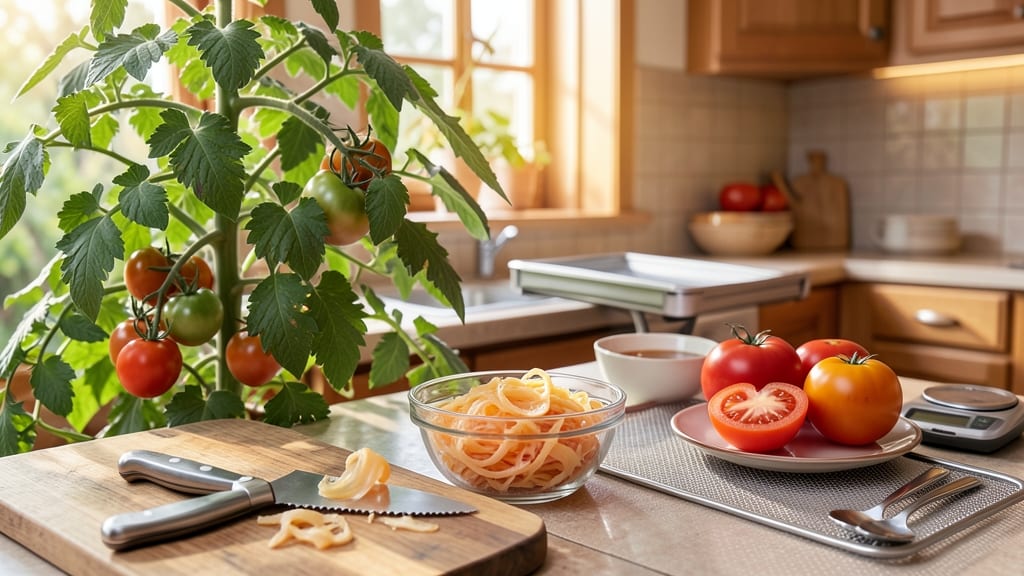
Dehydrating tomato skins turns garden waste into a crunchy, savory snack—and it’s easier than you think. 🌱 After peeling tomatoes for sauces or salsas, those papery skins often end up in the compost, but they’re packed with flavor and nutrients.
With just 20 minutes of prep and a few hours of drying, you’ll have a shelf-stable snack that’s perfect for snacking or adding to seasoning blends.
The best part? You don’t need a fancy dehydrator—an oven, sun, or even a well-ventilated space works. Skins dry best when spread in a single layer, so thin them slightly if they’re thick. The result is a light, crispy snack with a tomato-forward umami that’s addictive once you try it.
Store them in an airtight container for up to 2 weeks or freeze for longer shelf life.
Beyond snacking, these skins make a bold seasoning for popcorn, salads, or roasted veggies. They’re also a great way to repurpose scraps without waste, turning something you’d toss into something you’ll crave. Plus, they’re a fun project to try with kids—just supervise the oven or sun-drying step.
If you’re short on time, the oven method (at 200°F for 2-3 hours) is the fastest, while air-drying on a tray works best in hot, dry climates.
Avoid overcrowding the skins, or they’ll stick together. Experiment with flavors by adding a pinch of salt, smoked paprika, or garlic powder before drying for extra depth.
📚 In This Guide
- What you need
- Instructions
- Tips and common mistakes
- Wrapping up and next steps
What you need
- ● Fresh tomato skins: 4–6 medium-sized tomatoes (or ~1 cup peeled skins). Use ripe, organic tomatoes for the best flavor and texture.
- ● Water: Enough to cover skins during blanching (~2–3 cups).
- ○ Lemon juice or vinegar (optional but recommended): 1–2 tbsp. Helps preserve color and prevent browning.
- ● Dehydrator: One with adjustable temperature settings (135°F–145°F ideal). Alternative: Oven at low heat (170°F–190°F) or a sunny windowsill (if humidity is low).
- ● Mixing bowl: Large enough for blanching (~2–3 quart capacity).
- ● Slotted spoon or tongs: For easy draining.
- ● Paper towels or clean kitchen towel: To pat skins dry.
- ● Parchment paper or dehydrator trays: For even drying. Pro tip: Use mesh screens if your dehydrator lacks trays!
- ● Air-tight containers or resealable bags: For storage (glass jars work best for long-term freshness).
- ● Spices: ½ tsp garlic powder, onion powder, or smoked paprika for extra flavor.
- ● Olive oil or avocado oil (for post-dehydration): Lightly drizzle for extra crunch.
- ● Food dehydrator thermometer: Ensures precise temperature control.
Step-by-Step instructions for dehydrating tomato skins
Here's how to transform leftover tomato skins into crispy, zero-waste snacks that pack serious flavor.
🌱 Step 1: Prepare and Blanch Tomato Skins
Start by washing and cutting 4-6 ripe tomatoes in half. Scoop out the seeds and pulp, leaving only the skins. Place the skins in a pot and cover with 1 inch of water. Bring to a boil, then reduce heat to a simmer for 3-5 minutes—this softens the skins slightly and removes excess moisture for better dehydration.
Drain the skins immediately after blanching and spread them out on a clean kitchen towel to dry briefly. Pat them dry with another towel to remove surface moisture. This step is critical—wet skins won't dehydrate properly and may develop mold. You'll know they're ready when they feel slightly tacky but not damp.
💧 Step 2: Arrange Skins for Even Dehydration
Preheat your dehydrator to 135°F. Line the trays with parchment paper or silicone mats to prevent sticking. Arrange the tomato skins in a single layer, ensuring they don't overlap. If they're too thick, gently press them down with your fingers to create an even surface—this helps them dry uniformly and prevents curling.
Leave a ¼-inch gap between each skin. Overcrowding traps moisture and slows the process. If you're short on space, dehydrate in batches. This is where the magic happens: proper airflow ensures crispy, not leathery, results. Watch for skins to turn translucent at the edges after 2-3 hours.
☀️ Step 3: Dehydrate Until Crispy and Lightweight
Dehydrate the skins for 6-8 hours, checking periodically after the first 4 hours. They're done when they're dry to the touch, crispy, and pull away from the parchment paper easily. You'll notice a dramatic color change from vibrant red to a deeper, more concentrated hue—this indicates moisture loss and flavor intensification.
For extra crispiness, increase the dehydrator temperature to 145°F for the final 1-2 hours. Store the dried skins in an airtight container away from light. They'll keep for 2-3 weeks at room temperature, though they're best enjoyed within the first week for peak crunch.
✂️ Step 4: Store and Use Your Zero-Waste Snack
Once completely cooled, transfer the skins to a resealable container or jar. Add a small piece of uncooked rice or a silica gel packet to absorb any lingering moisture. Seal tightly and label with the date. These crispy snacks make a fantastic topping for soups, salads, or even cocktails—just sprinkle them on at the end for a burst of umami flavor.
For a flavor boost, toss the dried skins with a pinch of sea salt or smoked paprika before storing. The salt enhances their natural sweetness, while the paprika adds a smoky depth. Real talk: these are addictive, so make extra—you won't regret it.
Tips & tricks for perfect dehydrated tomato skins
Transforming tomato skins into crispy snacks is easier than you think—these little tricks will help you avoid common pitfalls and achieve that perfect crunch every time.
Blanching Precision: That 3-5 minute simmer in Step 1 isn't just about softening—it's about creating the ideal texture for dehydration. I learned this the hard way after ruining three batches with either under-blanched (too chewy) or over-blanched (mushy) skins. Aim for skins that feel slightly pliable but still hold their shape when pressed. The water should be just simmering, not rolling hard boil—gentle heat preserves their structure better.
Dehydrator Temperature Secrets: The 135°F setting in Step 2 is your sweet spot for even drying without burning. Here's what nobody tells you—if your dehydrator struggles with temperature consistency (many do!), start at 130°F and gradually increase to 135°F after the first hour. The skins will darken faster at higher temps, but we want that gradual moisture loss. For that final crisp, the 145°F boost for 1-2 hours is non-negotiable—this is where the magic happens for that satisfying crunch.
Storage Wisdom: The 2-3 week shelf life mentioned in Step 3 is impressive, but here's the real secret: oxygen is your enemy. After cooling completely, transfer the crispy skins to an airtight container with a silica gel packet (the uncooked rice trick works too). I've kept mine fresh for up to 4 weeks this way—just make sure the container seals perfectly. For extra protection, consider vacuum sealing if you have the equipment. The skins will lose their crispness faster if exposed to air, so don't skip this step!
Pro Tips for Dehydrating Tomato Skins
- Transforming tomato skins into crispy snacks is easier than you think—these little tricks will help you avoid common pitfalls and achieve that perfect crunch every time.
- Blanching Precision: That 3-5 minute simmer in Step 1 isn't just about softening—it's about creating the ideal texture for dehydration.
- Dehydrator Temperature Secrets: The 135°F setting in Step 2 is your sweet spot for even drying without burning.
Frequently asked questions
Got questions about dehydrating tomato skins? You’re not alone—this zero-waste snack is full of surprises! Here are answers to the most common queries to help you crush it in the dehydrator.
How long does it take to dehydrate tomato skins?
Dehydration time depends on your dehydrator’s settings, but 4–8 hours at 135°F (57°C) is ideal. Check for crispiness after 4 hours—skins should bend slightly but not snap. Thicker skins (like Roma tomatoes) take longer; thinner varieties (like cherry tomatoes) dry faster. Pro tip: Rotate trays halfway for even drying!
Can I dehydrate tomato skins from canned tomatoes?
Yes! Just rinse the skins thoroughly to remove excess salt and tomato paste. Pat them dry with a paper towel to speed up dehydration. Canned skins work well, but fresh skins have a brighter flavor and firmer texture.
Why are my tomato skins sticking to the tray?
Sticking happens when skins release too much moisture too quickly. Fix it by:
- Patting skins very dry before dehydrating.
- Using a light mist of olive oil on the tray to create a non-stick barrier.
- Arranging skins in a single layer with space between them.
What else can I dehydrate besides tomato skins?
Tomato skins are just the beginning! Try these zero-waste dehydrator gems:
- Zucchini or cucumber skins – Crunchy and mild.
- Apple peels – Sweet and perfect for snacks or tea.
- Carrot peels – Earthy and great for soups or seasoning.
- Bell pepper skins – Sweet and perfect for chips.
How do I store dehydrated tomato skins?
Store skins in an airtight container with a paper towel to absorb moisture. Keep them in a cool, dark place (like a pantry) for up to 2 weeks. For longer storage, freeze them for 3–6 months or vacuum-seal for 6+ months. Rehydrate in warm water for soups or blend into powders!
Wrapping up and next steps
Dehydrating tomato skins is a fantastic way to turn kitchen scraps into a crunchy, flavorful snack while minimizing waste—no fancy tools required! With just a little time and patience, you’ll unlock a zero-waste solution that’s perfect for snacking, garnishing, or even adding texture to dishes.
Ready to try? Grab those ripe tomatoes and get dehydrating—your future self (and the planet) will thank you! 🌱✨
For more creative ways to repurpose veggie scraps, check out our guide on dehydrating herb stems or explore other zero-waste kitchen hacks next!