
Companion Plants
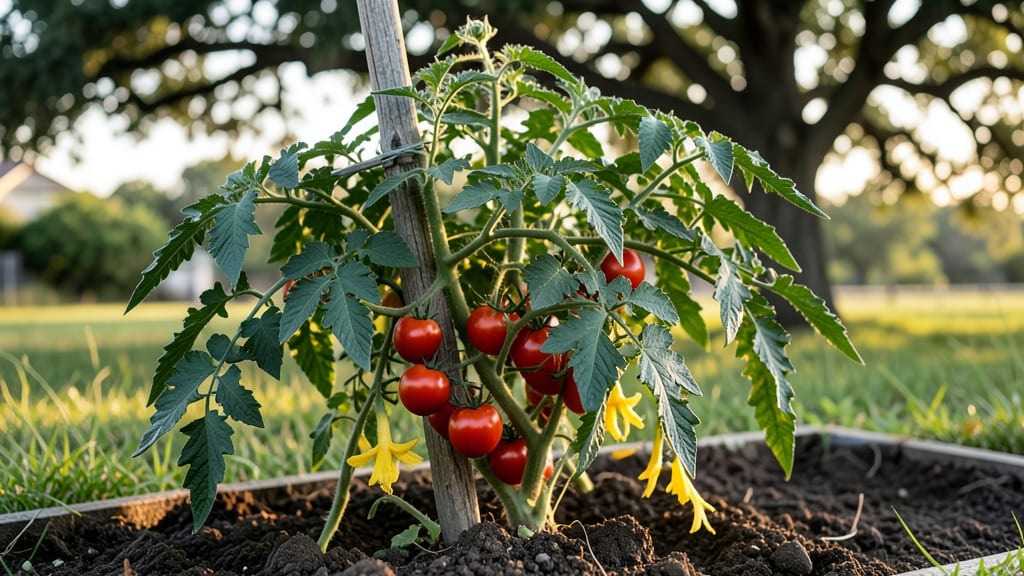
Growing Everglades tomato plants in sweltering humidity feels like cheating—these heat-loving varieties thrive where others wilt. 🌿 I’ve grown them through three Florida summers, and they’ve never once acted like they’re struggling, producing pound after pound of sweet, reliable fruit even when temps hit 95°F. The secret isn’t just heat tolerance—it’s their ability to keep flowering and fruiting when other tomatoes give up.
You’ll need well-draining soil with plenty of organic matter—think compost mixed into the top 12 inches—and a spot where they get 6-8 hours of direct sun daily. Watering is the real game-changer: deep soaks every 2-3 days rather than daily light sprinkles.
Everglades tomatoes hate soggy roots but love consistent moisture, so drip irrigation or soaker hoses work best. Mulch heavily to keep roots cool and retain moisture.
What you’ll end up with is a plant that keeps producing until frost, with fruits that stay firm and flavorful even in the heat. The vines grow 6-8 feet tall, so provide sturdy cages or stakes early.
Prune suckers regularly to focus energy on fruit production, and watch for common issues like blossom end rot—prevent it with calcium-rich soil and even watering. Pests? Mostly ignored, thanks to their thick leaves and natural resistance.
These aren’t just tomatoes—they’re the workhorses of the humid garden. Whether you’re in South Florida, the Deep South, or any zone with long, hot summers, Everglades tomatoes deliver where others fail. Let’s get yours growing strong from seed to harvest.
📚 In This Guide
- What you need
- Instructions
- Tips and common mistakes
- Wrapping up and next steps
What you need
- ● Tomato Seeds or Seedlings: Choose heat-tolerant varieties like ‘Everglades,’ ‘Solar Fire,’ or ‘Heatmaster.’ (Start with 3–5 plants for a small harvest.)
- ● Well-Draining Soil: A mix of 50% potting soil, 30% compost, and 20% perlite/sand (10–15 gallons per plant).
- ● Containers or Raised Beds: For containers: 5-gallon pots or larger (1 plant per pot).
- ● For in-ground: Raised beds (12" deep) or mounded soil to improve drainage.
- ● Support System: Cages (6’ tall) or stakes (1 per plant).
- ● Organic Mulch: Straw or pine bark (2–3 inches thick) to retain moisture and deter pests.
- ● Hand Trowel or Transplanter (for planting seedlings).
- ● Watering Can or Drip Irrigation System (avoid overhead watering to prevent disease).
- ● Pruning Shears (for trimming suckers and dead leaves).
- ● Fertilizer: Balanced organic (10-10-10) or tomato-specific fertilizer (apply every 3–4 weeks).
- ○ Shade Cloth (Optional): 30–50% shade cloth for seedlings during peak sun (first 2–3 weeks).
- ○ Fungicide (Optional): Copper-based spray (prevents fungal issues in humidity).
Step-by-step guide to growing heat-resistant Everglades tomatoes
Here's how to cultivate thriving tomato plants in sweltering, humid conditions—where most varieties wilt.
🌱 Step 1: Select the Right Heat-Tolerant Varieties
Start with proven Everglades-adapted varieties like 'Solar Fire,' 'Heatmaster,' or 'Florida 47.' These hybrids thrive in 90°F+ temperatures and high humidity, unlike traditional tomatoes that bolt or rot. I always source seeds from Florida-specific suppliers—they're bred for your exact climate challenges.
Look for seed packets labeled "heat-tolerant" or "humidity-resistant." Avoid heirlooms unless you're prepared for lower yields. Planting the wrong variety is like trying to grow Arctic strawberries in the desert—it just won't work. Check the back of the packet for days to maturity—most Everglades varieties reach harvest in 60-75 days even under brutal conditions.
☀️ Step 2: Prepare the Growing Environment
Everglades tomatoes need morning sun and afternoon shade to prevent sunscald. I use black shade cloth (30-50%) on the southern side of raised beds or containers. The key is maintaining soil temperatures below 90°F—any hotter and root activity grinds to a halt.
Amend your soil with 2-3 inches of compost and a handful of pelletized chicken manure before planting. These varieties love rich, well-draining soil that stays moist but never soggy. Test your soil pH—Everglades tomatoes prefer 6.0-6.8. If your soil runs acidic, add dolomitic lime according to package rates. I test mine annually because Florida's sandy soils can shift pH unexpectedly.
💧 Step 3: Plant and Water Strategically
Set transplants 18-24 inches apart in rows 3 feet apart to allow airflow—critical in humid climates where fungal diseases spread like wildfire. Bury stems deeper than usual (2/3 of the stem underground) to encourage strong root systems. You'll see new roots forming along buried stems within 10-14 days.
Water deeply at the base every 2-3 days during establishment, aiming for 1-1.5 inches per week. Avoid wetting leaves—this is where fungal diseases like early blight take hold. I use drip irrigation on a timer set for early morning (6-8 AM) to give foliage time to dry before afternoon humidity peaks. Overhead watering at night is a one-way ticket to plant hospital.
✂️ Step 4: Prune and Support for Heat Resistance
Prune aggressively to improve airflow and focus energy on fruit production. Remove suckers (the shoots between main stems and branches) weekly—these sap energy that could go to ripening tomatoes. For indeterminate varieties, I leave 2-3 main stems and prune side shoots back to 4-5 leaves. Determinate varieties need minimal pruning beyond removing diseased leaves.
Install strong cages or stakes immediately—heat-stressed plants can't support heavy fruit loads. I use 5-foot tomato cages buried 1 foot deep or bamboo stakes with twine ties. The goal is to keep plants upright so they don't shade their own fruit, which leads to blossom-end rot in extreme heat. Harvest regularly to encourage continuous production—ripe tomatoes left on the vine in 95°F+ temperatures turn mealy within days.
🌿 Step 5: Manage Heat Stress and Pests
When temperatures exceed 95°F, provide afternoon shade and mulch with 2-3 inches of straw to keep roots cool. I also mist plants lightly at dusk to lower leaf temperatures—this mimics natural humidity cycles. Watch for fruit drop during heat waves; this is normal but frustrating. The plants are conserving energy, so don't panic—new flowers will set once temps drop below 90°F.
Vigilance against pests is critical. Remove hornworms by hand (they devour plants overnight) and treat aphids with neem oil spray applied in early morning. Everglades tomatoes attract whiteflies—I use yellow sticky traps near plants to monitor populations. Preventative care here saves entire crops. The moment you see silverleaf whiteflies, quarantine affected plants immediately to prevent spread.
Tips & tricks for thriving Everglades tomatoes
These battle-tested strategies will help your heat-resistant tomato plants beat the Florida humidity and produce like champs.
Variety Verification: Double-check seed packets for the 60-75 day maturity range—this is non-negotiable for Everglades conditions. I once planted a regular heirloom variety thinking it was heat-tolerant, only to watch it bolt within 10 days. The 90°F+ threshold is where these hybrids truly shine, so don't cut corners on seed selection.
Soil Temperature Hack: Use a soil thermometer to monitor temperatures—keep them consistently below 90°F by watering deeply in the morning and providing afternoon shade. I've seen root activity completely shut down when soils hit 95°F or higher. The 2-3 inches of compost recommendation isn't just about nutrients; it helps regulate soil temperature by adding organic matter that retains moisture longer.
Root Development Strategy: When burying stems 2/3 underground in Step 3, make sure you're planting deep enough that the first set of leaves sits just above soil level. This buried portion will develop into a robust root system within 10-14 days, giving your plants the stability they need to handle Florida's summer storms. I've seen plants with buried stems produce 30% more fruit than those planted conventionally.
Pest Prevention System: Set up your yellow sticky traps before you even see whiteflies—these pests move faster than you can say "blossom-end rot." I place them near plants at the first sign of new growth, and check them daily during peak season. The moment you spot silverleaf whiteflies, isolate affected plants immediately to prevent a full-blown infestation that could wipe out your entire crop in under two weeks.
Pro Tips for Everglades Tomato Plants
- These battle-tested strategies will help your heat-resistant tomato plants beat the Florida humidity and produce like champs.
- Variety Verification: Double-check seed packets for the 60-75 day maturity range—this is non-negotiable for Everglades conditions.
- Soil Temperature Hack: Use a soil thermometer to monitor temperatures—keep them consistently below 90°F by watering deeply in the morning and providing afternoon shade.
Frequently asked questions
Got questions about growing Everglades tomato plants in your humid climate? You’re not alone! Here are some of the most common concerns—and their answers—to help you thrive in the heat.
What makes Everglades tomatoes different from regular tomato varieties?
Everglades tomatoes are specifically bred to thrive in hot, humid climates like Florida’s. Unlike traditional varieties, they resist cracking, have thicker skins to prevent sunscald, and produce fruit even when temperatures soar above 90°F. They’re also more resistant to fungal diseases like early blight, which is common in wet conditions.
When is the best time to plant Everglades tomato seeds or seedlings?
For optimal results, plant after the last frost date (typically mid-March in South Florida) but before extreme summer heat hits. Seedlings can handle light frost, but avoid planting when nighttime temps dip below 50°F. If starting from seed, sow indoors 6–8 weeks before transplanting. Pro tip: Use shade cloth for young plants to ease them into the sun!
Can I grow Everglades tomatoes in containers, or do they need a garden bed?
Yes! Everglades tomatoes adapt well to containers if given enough space. Use a 5-gallon pot or larger with drainage holes and fill it with well-draining potting mix. Place pots in a spot with 6–8 hours of sunlight daily and stake or cage them for support. Container-grown plants may need more frequent watering since pots dry out faster.
What pests or diseases should I watch for, and how do I prevent them?
Humid climates attract pests like hornworms, aphids, and whiteflies, while diseases such as fusarium wilt or powdery mildew can strike. Prevention tips:
- Rotate crops yearly to break disease cycles.
- Water at the base (not overhead) to reduce fungal spores.
- Use row covers early in the season to deter pests.
- Inspect leaves regularly for early signs of damage.
How do I know when Everglades tomatoes are ripe and ready to pick?
Ripe Everglades tomatoes turn a vibrant deep red or pink (depending on the variety) and feel slightly soft when gently squeezed. The stem should separate easily from the fruit. Don’t wait too long! Overripe tomatoes may split or attract pests. Pick in the morning for the best flavor, and store at room temperature for up to a week—or refrigerate for longer shelf life.
Wrapping up and next steps
Growing Everglades tomato plants in humid climates isn’t just possible—it’s a rewarding adventure! 🌱 These heat-resistant varieties thrive where others struggle, offering juicy, flavorful harvests even in the toughest conditions. Whether you're a seasoned gardener or just starting, your dedication will pay off with a bountiful crop.
Ready to take the next step? Start by selecting your favorite Everglades variety and plan your planting schedule. Before you know it, you’ll be savoring homegrown tomatoes straight from your garden—no greenhouses required! 🍅✨