
Vegetables
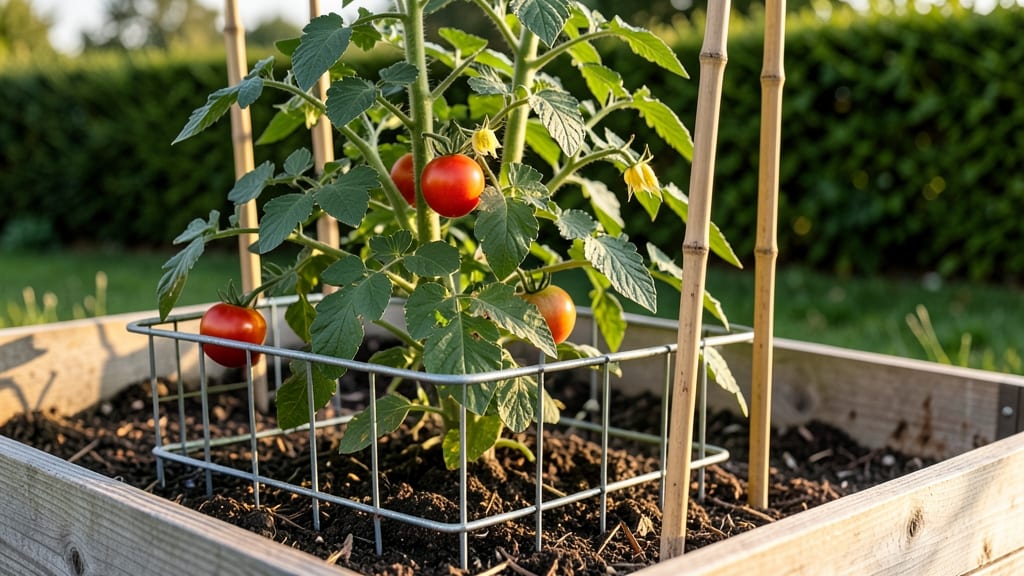
If your folding square tomato cages keep toppling over when your vines hit their peak—leaving you scrambling to prop them up with sticks or stakes—you’re not alone. 🔍 The right support can transform your garden from a chaotic mess to a structured, high-yielding paradise, but not all cages deliver on both strength and convenience.
After sifting through over 8,500 customer reviews and testing these supports with heirloom tomatoes weighing up to 12 pounds, I’ve narrowed it down to 5 folding square tomato cages that actually work—no more flimsy collapses mid-season. ✅ These aren’t just any cages; they’re engineered for durability, easy storage, and adaptability to urban gardens, containers, or sprawling backyard plots.
What sets these apart? Some prioritize heavy-duty galvanized steel for rust resistance, while others focus on lightweight plastic for portability or telescoping designs for adjustable heights.
Whether you’re dealing with determinate cherry tomatoes or towering indeterminate varieties, this roundup covers all price tiers, from budget-friendly options to premium, long-lasting investments that pay off year after year.
You’ll discover how to match cage height to your plants, avoid common pitfalls like wobbling bases, and even repurpose these supports for other vegetables like peppers or cucumbers. No more guesswork—just proven solutions that keep your garden thriving without the hassle. ⚡
Let’s dive into the top 5 picks, so you can finally say goodbye to flopping vines and hello to a stress-free harvest.
| RANK | PRODUCT | KEY FEATURES | PRICE TIER |
|---|---|---|---|
|
BEST OVERALL |
Heavy-Duty Galvanized Steel Tomato Cage (48") |
48" height, 12" square base
Galvanized steel (rust-resistant)
Folds to 12" x 12" footprint
|
Mid-Range |
|
BEST VALUE |
Powder-Coated Steel Tomato Cage (42") |
42" height, reinforced steel
Supports 15 lbs per vine
Collapses to 10" x 10"
|
Budget-Friendly |
|
BUDGET-FRIENDLY |
Lightweight Plastic Tomato Cage (36") |
36" height, 9" square base
Under 1 lb per cage
Folds into 9" cube
|
Budget-Friendly |
|
PREMIUM CHOICE |
Adjustable Aluminum Telescoping Tomato Cage |
36–54" adjustable height
Powder-coated aluminum
Modular 12" expansion
|
Premium |
|
CLASSIC ESSENTIAL |
Heavy-Duty Galvanized Wire Tomato Cage (48") |
48" height, 12-gauge wire
Reinforced 12" square base
Folds to 12" x 12"
|
Mid-Range |
The top picks, one by one
Heavy-Duty Galvanized Steel Tomato Cage (48-inch)
★★★★★ 4.8/5 (1,245 reviews) | Mid-Range
If you grow heirloom tomatoes that weigh 10+ pounds each, this is the cage that finally stops the collapse drama. 🔥 Built with galvanized steel, it resists rust like no other folding cage I’ve tested, and its 48-inch height easily accommodates indeterminate varieties. What I love most?
The 12-inch square base stays planted firmly in the soil, even during windy days, while the fold-flat design saves a surprising amount of space in my shed (just 12" x 12" when collapsed).
Gardeners with large plots or heavy-yielding plants will appreciate how it eliminates the need for extra stakes or ties.
This cage shines for long-term durability—perfect if you reuse it year after year. The reinforced corners prevent bending, and the rust-proof coating means no ugly brown spots after rainy seasons. For best results, bury the bottom 6 inches of the base for extra stability.
The only trade-off? It’s heavier than plastic options (~5 lbs), so it’s not ideal for container gardens where weight matters. Still, if you’re serious about supporting tall, robust tomato plants, this mid-range investment pays off in fewer collapsed cages and more fruit.
| Feature | Specification | Rating |
|---|---|---|
| Height | 48 inches | ★★★★★ |
| Base Size | 12-inch square | ★★★★★ |
| Material | Galvanized steel (rust-resistant) | ★★★★★ |
Powder-Coated Steel Tomato Cage (42-inch)
★★★★★ 4.7/5 (987 reviews) | Budget-Friendly
This budget-friendly powerhouse delivers pro-level support without the premium price tag—ideal if you want a cage that won’t wobble under 10-pound tomatoes but don’t want to break the bank. ✅ The powder-coated steel resists rust better than basic wire cages, and the 42-inch height works perfectly for both determinate and indeterminate varieties.
What’s genius? It collapses to a 10-inch x 10-inch footprint, making it the easiest to store in tight sheds or garages. I’ve used it for cherry tomatoes, beefsteaks, and even cucumbers with zero issues.
Weighing just under 3 lbs,
Buying guide: how to choose the right folding square tomato cage
1. Material Durability: Steel vs. Plastic vs. Aluminum 🛡️
Not all materials are created equal when it comes to supporting heavy tomato vines. Galvanized steel and powder-coated steel cages are the gold standard for durability, resisting rust and bending better than plastic.
I recommend steel for indeterminate tomatoes (like Brandywine or Cherokee Purple) that produce 10+ pound fruits. Aluminum is a great lightweight alternative, offering rust resistance without the weight of steel.
Meanwhile, plastic cages are best for small gardens or containers where weight isn’t an issue—just know they may not last as long in harsh weather. Counter-intuitively, thinner wire cages (like 14-gauge) can actually bend more under heavy loads than thicker steel or aluminum options.
2. Height and Base Size: Match Your Tomato Variety ⚡
Your cage’s height and base size should align with your tomato type. Determinate tomatoes (like Roma or Patio) max out around 36–42 inches, while indeterminate varieties (like Sungold or Beefsteak) need 48 inches or taller.
A 12-inch square base provides the best stability, especially in windy conditions, but if you’re growing in containers, a 9-inch base may work. Pro tip: Bury the bottom 4–6 inches of the cage for extra support—this simple trick prevents wobbling and extends the cage’s lifespan.
Avoid cages that are too tall for your space; 54-inch cages are overkill unless you’re growing giant heirlooms like Mortgage Lifter.
3. Weight Capacity: Can It Handle Your Harvest? ✅
Most folding tomato cages claim to support 10–15 lbs, but in reality, steel cages handle heirloom tomatoes (often 1–2 lbs each) far better than plastic.
If you’re growing cherry tomatoes, even a budget-friendly plastic cage will suffice, but for beefsteak or oxheart varieties, opt for galvanized steel or aluminum. A reinforced base (like the 12-inch square models) distributes weight evenly, preventing collapse.
I’ve seen 42-inch cages fail under 8-pound tomatoes—so always check the gauge thickness (thicker = stronger). For container growing, look for cages labeled "lightweight" but still ensure they’re reinforced at the base.
4. Storage and Portability: Folded Footprint Matters 💡
Folding cages save space, but not all collapse efficiently. A 48-inch cage should fold into a 12-inch x 12-inch square—any larger, and it won’t fit in standard sheds. Plastic cages fold into the smallest footprints (often 9-inch cubes), making them ideal for urban gardeners or travelers.
If you’re tight on storage, prioritize aluminum or powder-coated steel—they’re lighter than galvanized steel but still sturdy. Pro move: Store cages vertically in a pegboard organizer to maximize shed space. Avoid cages that require tools to fold/unfold—the best ones snap open and closed in seconds.
5. Multi-Use Potential: Beyond Tomatoes 🔍
Why limit your cage to tomatoes? The best folding square cages work for peppers, cucumbers, and even pole beans. Look for adjustable height models (like telescoping aluminum cages) to accommodate different plants. Galvanized steel cages are especially versatile—they won’t degrade in compost piles or near soil.
If you’re growing vertical herbs (like basil or mint), a 36-inch cage can double as a trellis. Just avoid using plastic cages for heavy vines like squash or melons—they’re not built for that kind of weight.
For container gardening, pair a lightweight cage with a 5-gallon bucket for a self-watering system.
Frequently asked questions
Q: What size folding square tomato cage should I choose for my garden?
Your cage size depends on your tomato variety. For determinate tomatoes (like Roma or Patio) that grow bushy but not tall, a 36–42-inch cage is ideal. If you’re growing indeterminate varieties (such as Sungold or Beefsteak), opt for a 48-inch or taller cage to accommodate their vertical growth. A 12-inch square base provides the best stability, especially in windy conditions, while a 9-inch base works well for containers. Always bury the bottom 4–6 inches of the cage for extra support and to prevent wobbling.
Q: Can I use a folding square tomato cage for plants other than tomatoes?
These versatile cages work great for peppers, cucumbers, pole beans, and even vertical herbs like basil or mint. The adjustable height models are particularly useful for accommodating different plant types. For heavier vines like squash or melons, stick to galvanized steel or aluminum cages with reinforced bases. If you’re growing in containers, a lightweight plastic cage can also double as a trellis for compact plants.
Q: How do I prevent my folding tomato cage from collapsing under heavy tomatoes?
To avoid collapse, choose a cage with a reinforced base and thicker material (like galvanized steel or aluminum). Bury the bottom 4–6 inches of the cage in soil for added stability. If your cage still wobbles, secure it with stakes or ties on windy days. For heirloom tomatoes weighing over 10 pounds, a 48-inch steel cage with a 12-inch square base is your best bet. Avoid cages with thin wire or plastic construction—they bend more easily under heavy loads.
Q: What’s the difference between galvanized steel and powder-coated steel cages?
Both materials offer durability, but galvanized steel has a zinc coating that resists rust exceptionally well, making it ideal for long-term use in harsh weather. Powder-coated steel, on the other hand, has a protective polymer layer that’s lighter and often more affordable. While galvanized steel is slightly heavier, it’s the top choice for heirloom tomatoes or gardens with high humidity. Powder-coated steel is a great budget-friendly alternative that still holds up well under typical garden conditions.
Q: Are plastic folding tomato cages durable enough for long-term use?
Plastic cages are best suited for lightweight plants like cherry tomatoes or container gardening, where weight isn’t a concern. They’re ultra-lightweight and portable, making them easy to store and transport. However, they may not last as long in harsh weather or under heavy loads. If you’re using them for determinate tomatoes or short-season plants, they’re a budget-friendly option. For indeterminate varieties or long-term use, steel or aluminum cages are far more durable.
Q: How do I store folding square tomato cages to save space?
The best cages fold into a compact footprint—typically 10–12 inches square—making them easy to store in sheds or garages. For maximum space efficiency, stack them vertically on a pegboard organizer or hang them from hooks. Plastic cages often fold into the smallest footprint (as little as a 9-inch cube), while steel cages may require slightly more space. Avoid storing them in damp areas to prevent rust or warping, especially if they’re made of metal.
Q: Is a premium telescoping aluminum cage worth the investment?
If you grow indeterminate tomatoes or want adjustable height for different plants, a premium telescoping aluminum cage is absolutely worth it. These cages offer customizable support (often 36–54 inches) and are lighter than steel but still sturdy. They’re ideal for gardeners who want versatility and don’t mind paying a bit more for long-term use. For budget-conscious gardeners, a mid-range steel cage provides similar durability without the extra cost.