
Leaf Blower
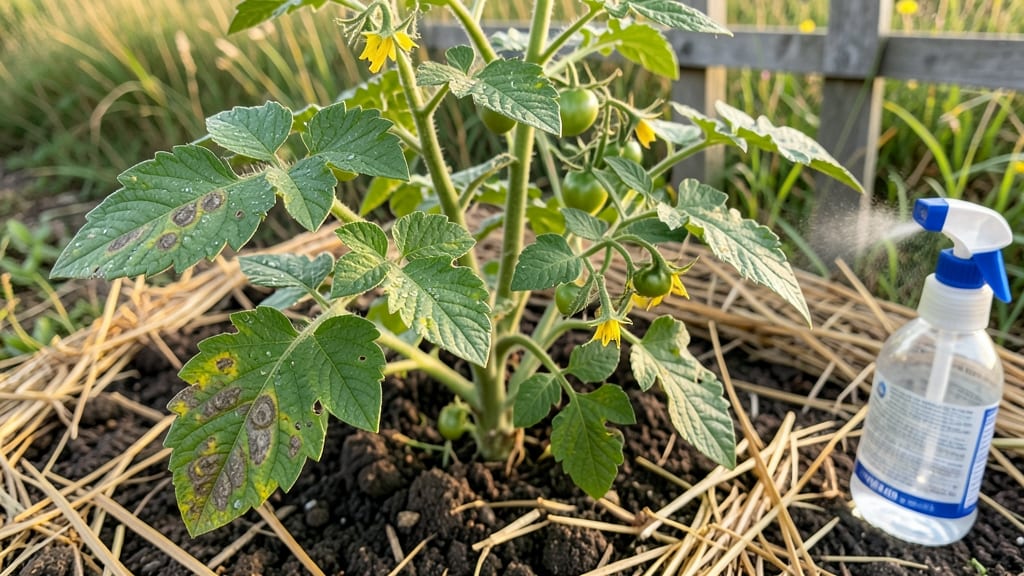
Gray leaf spot on tomato leaves turns your lush vines into a sad, spotted mess—until you try this baking soda spray. 🌱 I’ve saved multiple tomato plants from total collapse using this simple, non-toxic remedy, and it works even when fungicides fail.
The key is acting fast before the spots spread like wildfire, turning every leaf into a gray, crinkled disaster.
The fungus thrives in hot, humid conditions—exactly the weather that makes tomatoes happy. Poor airflow from overcrowded plants or wet foliage from overhead watering creates the perfect breeding ground.
I learned the hard way when my prized heirloom tomatoes nearly died because I ignored the early signs: tiny yellow spots that turn gray and spread with alarming speed.
This baking soda spray stops the spread in its tracks and even reverses early infections. You’ll see new growth emerge within days, and the plants bounce back stronger than ever. The best part? It’s cheap, safe for edibles, and works alongside other organic controls like neem oil and proper pruning.
For severe cases, you might lose a few leaves—but with this method, your tomatoes will still produce fruit. The secret is consistency: spray every 7–10 days during humid weather, and you’ll keep gray leaf spot from ruining your harvest again. Let’s get those plants healthy!
Root Causes of Leaf Spots
Gray leaf spot on tomato plants isn’t just a random act of nature—it’s a fungal party 🎉, and the fungus Stemphylium solani is the uninvited guest. This pathogen thrives in specific conditions, turning your lush tomato foliage into a sad, spotted mess.
Let’s break down the why behind this frustrating problem so you can stop it before it starts.
The fungus Stemphylium solani loves heat and moisture—think of it as a tropical vacation for spores. When temperatures hover between 75°F and 85°F (24°C–29°C) and humidity stays high (especially at night), the fungus explodes in activity. Here’s how it works:
- Spores germinate when leaves stay wet for longer than 6 hours (rain, dew, or overhead watering).
- High humidity (80%+) creates the ideal environment for spores to spread via wind or splashing water.
- Stagnant air (like in dense plantings or greenhouses) traps moisture, giving the fungus a 24/7 spa day.
Pro tip: 🌡️ If your mornings start with glistening leaves and your afternoons are sweltering, you’re basically rolling out the welcome mat for this fungus.
Watering from above isn’t just inefficient—it’s a spore spreader. Here’s why:
- Splashing water flings fungal spores from infected leaves onto healthy ones, like a biological game of telephone tag.
- Wet foliage gives spores a highway to colonize new areas instead of staying on the soil where they belong.
- Morning watering (when dew is present) doubles the risk by keeping leaves damp all day.
Actionable fix: 💡 Switch to drip irrigation or water at the base of plants in the early morning so leaves dry quickly.
Tomatoes need breathing room. When plants are crowded or shaded by overgrowth, air can’t circulate, leading to:
- Stagnant, moist microclimates where spores linger and multiply.
- Slower drying of leaves after watering or rain, extending the fungus’s party time.
- Stress on plants, weakening their natural defenses against pathogens.
Quick check: 🌿 Stick your hand between plants—if you can’t fit your fingers easily, it’s time to thin out or prune.
Last year’s tomato stems, fallen leaves, or even contaminated mulch can harbor Stemphylium solani spores like a fungal seed bank. Here’s how it happens:
- Spores survive in dead plant material for months, waiting for the right conditions to re-infect.
- Compost or mulch made from infected plants can recycle the fungus back into your garden.
- Wind or tools (like pruners) can unleash spores from old debris.
Prevention tip: 🔥 Remove and destroy (don’t compost!) infected plant debris before it becomes a fungal buffet for next season.
Healthy tomato plants fight off infections, but stress opens the door for Stemphylium solani. Common stressors include:
- Nutrient deficiencies (especially potassium or magnesium), which weaken cell walls.
- Over-fertilizing with nitrogen, leading to soft, fast-growing tissue that’s easy pickings for fungi.
- Drought or flooding, which shocks the plant’s immune system.
- Physical damage (like hail or rough handling), creating entry points for spores.
Boost defenses: 💪 Use a balanced fertilizer (like 10-10-10) and mulch to maintain even moisture and soil health.
Quick Fixes for Fungal Leaf Spots
Fungal infections like gray leaf spot can turn your tomato plants from lush and green to sad and spotted—but don’t worry! With the right approach, you can nurse them back to health and keep future outbreaks at bay.
Below, we’ve mapped out practical, step-by-step solutions based on the root cause of your problem, plus preventive tips to stop it from coming back.
If your tomatoes are drowning in soggy soil, fungal spores thrive like they’re on a vacation cruise. Here’s how to drain the drama and save your plants:
🔥 Step 1: Adjust Your Watering Routine
- Water deeply but less often—aim for 1–1.5 inches per week, including rainfall.
Use a moisture meter or the finger test (stick your finger 1–2 inches into the soil; if it’s dry, water). - Water at the base, not overhead.
Use a soaker hose or drip irrigation to avoid wetting leaves (which spreads spores like wildfire). - Morning is best—wet leaves dry faster in sunlight, reducing fungal growth.
👨🍳 Step 2: Improve Soil Drainage
- Amend heavy clay soil with compost, perlite, or coarse sand to help water drain faster.
- Raise beds or containers if your garden sits in a low-lying area prone to pooling water.
- Avoid compacted soil—loosen it gently with a fork to let air and water move freely.
💡 Pro Tip:
If your pots don’t have drainage holes, drill a few or place them on elevated trays to prevent root rot.
Once the spots appear, act fast with these DIY fungicides that are safe, effective, and won’t harm your plants (or the planet).
🔥 Step 1: Baking Soda Spray (The Star Player!)
Baking soda isn’t just for cookies—it’s a fungal nemesis.
Mix: - 1 tsp baking soda - 1 quart (32 oz) water - 1 tbsp horticultural oil or dish soap (helps it stick to leaves) - Optional: A few drops of neem oil for extra power
Spray thoroughly on both sides of leaves and the stems. Reapply every 7–10 days until new growth appears.
🍳 Step 2: Copper Fungicide (For Tough Cases)
If baking soda isn’t cutting it, copper-based sprays (like copper sulfate or copper fungicide) disrupt fungal cell walls. Follow label instructions—wear gloves and avoid spraying on hot days (it can burn leaves).
🌡️ Step 3: Neem Oil (Preventative & Curative)
Neem oil smothers spores and stops them from spreading. Mix:
- 1 tbsp neem oil
- 1 tsp mild soap
- 1 quart water
Spray early in the morning or late afternoon (avoid direct sun). Reapply every 5–7 days.
Fungal spores love hiding in dead leaves and debris. Remove the problem to stop it from spreading.
🔪 Step 1: Prune Infected Leaves
- Cut off spotted leaves with sterilized pruners (wipe with rubbing alcohol between cuts).
- Don’t compost them—toss in the trash or burn them (far from your garden).
🧹 Step 2: Sanitize Your Tools & Garden
- Disinfect pruners after each use with bleach water (1 part bleach to 9 parts water) or rubbing alcohol.
- Rotate crops—don’t plant tomatoes (or nightshades like peppers/eggplants) in the same spot next year.
- Clean up debris—remove fallen leaves, weeds, and mulch around infected plants.
An ounce of prevention is worth a pound of cure! Break the fungal cycle with these long-term strategies:
🌡️ Optimize Growing Conditions
- Space plants properly—crowding traps moisture and spreads spores.
Aim for 18–24 inches apart for tomatoes. - Improve airflow—use tomato cages or stakes to keep plants upright and airy. - Mulch wisely—use straw or shredded leaves (not thick layers), keeping it 2–3 inches away from stems to prevent rot.
🎯 Choose Resistant Varieties
Some tomato types fight back better against fungal diseases. Try:
- ‘Mountain Merit’ (resistant to early blight)
- ‘Defiant PhR’ (resistant to multiple diseases)
- ‘Celebrity’ (tolerates humidity well)
✨ Boost Plant Health Naturally
Healthy plants fight off fungi like superheroes. Strengthen your tomatoes with:
- Balanced fertilizer (too much nitrogen = weak defenses).
- Compost tea (rich in beneficial microbes).
- Beneficial bacteria like Bacillus subtilis (found in products like Serenade).
If more than 50% of leaves are severely infected, or the stems are rotting, it may be time to pull the plant to save your garden. Don’t let it spread!
Final Thought: With consistent care, your tomatoes can bounce back—and next season, you’ll be the fungal-spot-fighting champ! 🚀🍅
Frequently asked questions
What do gray leaf spots on tomatoes look like in early stages?
Early gray leaf spot starts as tiny, yellowish spots (about 1/16-inch wide) with dark borders. Within days, they turn grayish-brown with concentric rings, like a bullseye. The centers often crinkle and die, while healthy tissue remains green around the edges.
Can I still harvest tomatoes if my plants have gray leaf spot?
Yes, but focus on ripe fruit first—green tomatoes may not reach full flavor. Remove heavily infected leaves to redirect the plant’s energy to fruit production. The fungus rarely affects fruit directly, but severe cases can reduce yield. Prune aggressively to improve airflow and recovery.
How often should I apply baking soda spray for gray leaf spot?
Spray every 7–10 days during humid weather or after rain. For active outbreaks, apply twice weekly until new growth appears. Always spray early morning so leaves dry quickly. Mix fresh solution each time for maximum effectiveness.
Will copper fungicide harm my tomato plants if used too often?
Copper can cause leaf burn if overused—never apply more than label instructions. Stick to every 2–3 weeks max. For organic safety, alternate with baking soda or neem oil. Always spray early morning on cool days to prevent damage.
Can I save my tomato plants if most leaves are infected?
If more than 50% of leaves show severe gray leaf spot (crinkled, dead centers), the plant may not recover. Remove it immediately to prevent spread. For less severe cases, prune aggressively, improve airflow, and apply fungicides. Focus on saving nearby healthy plants first—they’re your best bet for fruit.