
Propagation
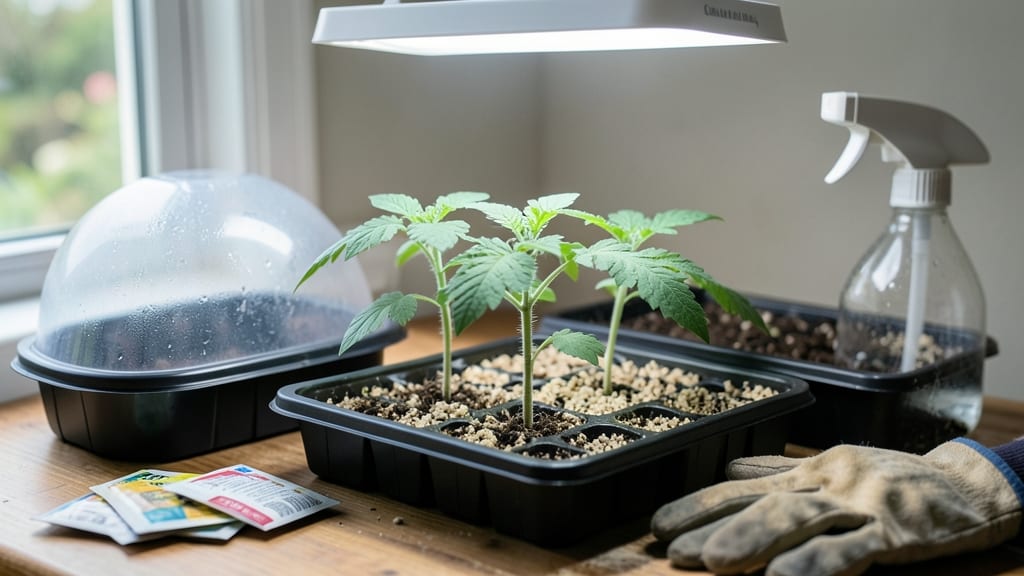
Growing tomato plants from seeds indoors lets you beat the heat and harvest earlier than anyone else in your neighborhood. 🌱 The secret to success? A warm, humid environment that mimics the tropical conditions tomatoes crave. I’ve gone from struggling with slow germination to seeing sprouts in just 5-7 days using a simple setup that costs less than $20.
You’ll need just a few supplies: seed-starting mix, small pots or a seed tray, plastic wrap or a humidity dome, and a heat mat or sunny windowsill. The biggest mistake beginners make is skipping the heat—tomato seeds need warmth to break dormancy.
Without it, you’re waiting weeks instead of days for those first green shoots to appear.
By the time your seedlings have 2-3 sets of true leaves, they’ll be ready to harden off and transplant. The payoff? Plants that mature faster, produce more fruit, and resist early-season pests better than store-bought seedlings. Plus, you’ll save money and grow varieties that aren’t sold at nurseries.
This method works for any tomato variety—cherries, slicers, or heirlooms—and adapts to small spaces like kitchen counters or basements. Let’s get those seeds sprouting with confidence, not guesswork.
📚 In This Guide
- What you need
- Instructions
- Tips and common mistakes
- Wrapping up and next steps
What you need
- ● Tomato seeds: Choose heirloom or hybrid varieties (e.g., Cherry Tomatoes, Roma, or Beefsteak). Buy a packet of 50-100 seeds for best results.
- ● Seed-starting trays or pots: Cell packs (2-3 inch cells) – 50+ cells (for individual seedlings).
- ● OR 5-inch plastic pots – 10-20 pots (for larger root space).
- ● Seed-starting mix: A lightweight, sterile mix (e.g., Pro-Mix BX, FoxFarm Seedling Mix, or coconut coir). Avoid garden soil—it’s too dense!
- ○ Heat mat (optional but highly recommended): A seedling heat mat (70-80°F) to speed germination. Look for 10x20 inch mats or larger.
- ● Humidity dome or plastic wrap: Keeps moisture in! Use clear plastic lids (if trays have them) or plastic wrap.
- ● Spray bottle: A fine-mist sprayer (e.g., Growneer or Miracle-Gro) for gentle watering.
- ● Grow lights (or sunny windowsill): LED grow lights (12-16 hours/day) – 15-20W (e.g., Samsung LM300 or Spider Farmer SF-1000).
- ● OR A south-facing window (if natural light is strong).
- ○ Fertilizer (optional but helpful): Water-soluble seedling fertilizer (e.g., Jack’s Classic or Dyna-Gro Grow) – ½-strength after sprouts appear.
- ● OR fish emulsion (1-2-2 ratio) for organic growth.
- ● 🌡️ Warmth is key! Germination speeds up with 75-85°F soil temps. A heat mat works wonders if your home is chilly.
- ● ✨ Keep it moist (but not soggy). Mist seeds daily and use a humidity dome to trap warmth and moisture.
- ● 🔄 Thin seedlings! Once they sprout, remove weaker plants to give strong ones room to grow.
- ● 📏 Transplant carefully: Use 3-inch pots after 2-3 weeks, then upgrade to 5-inch pots before outdoor planting.
Step-by-step instructions for starting tomato seeds indoors
Here’s how I get tomato seeds to sprout fast and strong—no guesswork, just reliable results.
🌱 Step 1: Prepare Containers and Seed Starting Mix
Use clean, 2-3 inch deep containers—biodegradable pots work best because they eliminate transplant shock later. I fill them with a sterile seed-starting mix (never garden soil, which can harbor diseases). Moisten the mix until it’s damp like a wrung-out sponge—no puddles, just even moisture.
Press the soil down gently to remove air pockets. Tap the container lightly on the counter to settle it evenly. This ensures roots can spread immediately instead of searching for loose soil. Label each container with the tomato variety and date—you’ll forget which is which after a week of identical green sprouts.
🌱 Step 2: Sow Seeds at the Right Depth
Plant 1-2 seeds per container at a depth of about ¼ inch—no deeper, or the seedlings will struggle to reach the surface. I use my finger to make a small hole, drop the seed in, then cover it with a light dusting of mix. Mist the surface with water until it’s evenly damp but not soggy.
Here’s the thing—don’t overcrowd. Two seeds give you a backup if one fails, but more than that leads to weak, competing seedlings. Water from the bottom if possible to avoid displacing seeds. If you water from above, do it gently—no forceful streams that bury seeds deeper.
💧 Step 3: Create Warmth and Humidity for Germination
Tomato seeds germinate fastest at 75-85°F, so I place the containers on a seedling heat mat set to 80°F. Without heat, germination can take 10-14 days—with it, you’ll see sprouts in 5-7 days. Cover the containers with a clear plastic dome or plastic wrap to trap humidity.
Check daily but resist the urge to water. The dome keeps moisture locked in, and the heat mat maintains warmth. Once 50% of seeds have sprouted, remove the dome immediately—trapped humidity around new seedlings invites damping-off, a fungal disease that collapses stems overnight.
☀️ Step 4: Provide Bright Light Immediately After Sprouting
The instant seedlings emerge, they need 14-16 hours of light daily. A south-facing window rarely provides enough intensity, so I use a full-spectrum LED grow light positioned 2-4 inches above the plants. Raise it as they grow to maintain that distance—too close scorches leaves, too far stretches seedlings.
Leggy seedlings (thin, pale stems with leaves spaced far apart) mean your light is too weak or distant. Strong seedlings have thick stems, deep green color, and compact spacing between leaves. Rotate the containers daily so plants grow straight instead of leaning toward the light.
⏰ Step 5: Harden Off Before Transplanting Outdoors
Two weeks before your last frost date, start hardening off seedlings by placing them outside in a sheltered, shaded spot for 1-2 hours the first day. Gradually increase outdoor time by 1 hour daily over 10-14 days, slowly introducing more sun and wind. This toughens stems and prevents transplant shock.
Skipping this step burns leaves, breaks stems, and shocks plants severely. Once seedlings tolerate a full day outside without wilting, they’re ready for the garden. Transplant on an overcast afternoon to reduce stress, and water deeply at the base to encourage root growth.
Tips & tricks for speeding tomato seed germination indoors
These game-changing insights will help you bypass the common pitfalls that stall germination and get your tomato seedlings off to a flying start.
Heat Mat Precision: The 80°F setting on your seedling heat mat is your secret weapon—this temperature triggers faster germination (5-7 days instead of 10-14 days). For even more control, use a thermometer to verify the soil temperature matches the mat's reading. I've seen seeds germinate in just 4 days when the soil stays consistently at 80°F, but drop to 75°F and you'll extend that timeline by several days. The key is maintaining that warm soil layer without overheating, which can actually kill seeds.
Humidity Dome Technique: That plastic dome isn't just for show—it creates the tropical conditions tomato seeds crave. After seeds sprout, remove the dome when 50% of them have emerged, but leave it on overnight if your home tends to be dry. I've noticed condensation forms more aggressively on cooler mornings, so check the dome daily for fogging. If it's clear, your humidity level is too low and you're risking damping-off disease. A simple spray bottle can help boost humidity temporarily if needed.
Light Timing Strategy: The 14-16 hours of daily light requirement starts the moment your first seedling cracks through the soil. I recommend setting a timer for your grow light—this prevents accidental over- or under-lighting. Position the light so it's 2-4 inches above the tallest seedling, and adjust as they grow. Here's what I watch for: if seedlings grow toward the light, rotate them daily. If they develop long, thin stems, they need more intense light or less distance from the bulb.
Harden-Off Gradually: The 1-2 hour outdoor exposure on day one might seem minimal, but this gradual approach prevents transplant shock better than any other method. I've seen seedlings that went from zero to full sun in one day wilt dramatically within hours. Start with morning shade and slowly increase exposure—by day 7, they should handle 4-5 hours of morning sun. The goal is to toughen cell walls, not shock them into survival mode.
Pro Tips for Growing Tomato Plants From Seeds Indoors
- These game-changing insights will help you bypass the common pitfalls that stall germination and get your tomato seedlings off to a flying start.
- Heat Mat Precision: The 80°F setting on your seedling heat mat is your secret weapon—this temperature triggers faster germination (5-7 days instead of 10-14 days).
- Humidity Dome Technique: That plastic dome isn't just for show—it creates the tropical conditions tomato seeds crave.
Frequently asked questions
Got questions about growing tomato plants from seeds indoors? You’re not alone! Here are some of the most common queries—and their answers—to help you get started with confidence.
How long does it take for tomato seeds to germinate indoors?
With the right conditions (warmth, humidity, and light), tomato seeds typically sprout in 5–14 days. Using a heat mat (70–85°F) can speed this up to just 3–7 days. Patience is key—some varieties (like heirlooms) may take longer than hybrids.
What if my tomato seeds won’t germinate?
Try these fixes: Check moisture (soil should stay damp but not soggy), adjust warmth (use a heat source if too cool), or test seed viability by soaking a few in water—if they float, they’re likely dead. For stubborn seeds, scarify them lightly with sandpaper or try a seed starter gel.
When should I transplant seedlings outdoors?
Wait until nighttime temps stay above 50°F (10°C) and seedlings have 2–3 true leaves (not just cotyledons). Harden them off for 7–10 days by gradually exposing them to outdoor conditions. Early spring? Use row covers or grow in containers to extend the season.
Can I grow tomatoes indoors year-round?
Yes! With grow lights (12–16 hours/day), proper ventilation, and containers (like fabric pots), you can grow tomatoes indoors. Dwarf or cherry varieties (e.g., ‘Tiny Tim’ or ‘Micro Tom’) thrive best. Just ensure they get plenty of sunlight or artificial light and pollinate by gently shaking plants or using a small brush.
Is it cheaper to buy seeds or seedlings?
Seeds win for cost and variety! A packet of 50–100 seeds costs pennies per plant, while seedlings can run $3–$5 each. Plus, growing from seed lets you try heirloom or rare varieties not always available as starters. Just budget for grow lights, soil, and heat mats if starting early.
Wrapping up and next steps
Growing tomato plants from seeds indoors is a rewarding journey that starts with patience, warmth, and a little know-how! 🌱 With the right setup—like heat mats, humidity domes, and proper lighting—you’ll soon watch tiny seeds transform into thriving seedlings ready for transplanting. Now that you’re armed with tips to speed up germination, it’s time to roll up your sleeves and get growing! Your next step? Start your seeds today and enjoy the satisfaction of nurturing life from scratch.