
How To
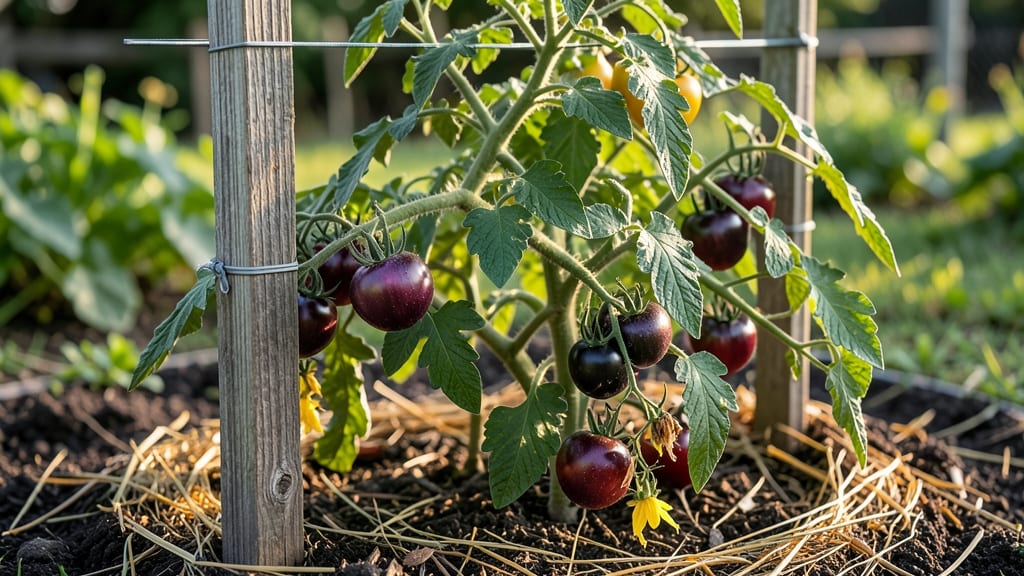
Cherokee Purple tomatoes grow between 6 and 8 feet tall—taller than most gardeners expect, which is why proper spacing and support make all the difference for these prolific vines.
If you’re planning your garden layout around Cherokee Purple tomatoes, knowing their mature height is critical—these beauties can reach surprising heights and need the right support to thrive.
Without a sturdy trellis or cage, the sprawling vines can topple over, smashing fruit and inviting disease. But with the right setup, you’ll maximize space and yield while keeping the plants healthy and productive.
In this guide, I’ll break down the exact height range, how wide they spread, and the best ways to train them vertically—so you can plan your garden like a pro.

Cherokee Purple tomato vine height: exact growth measurements and space requirements
If you’ve ever wondered, how tall does Cherokee Purple tomato grow? These heirloom beauties are indeterminate, meaning they don’t stop growing until frost hits.
On average, expect vines to reach 6 to 8 feet tall with proper care, though some exceptional plants can stretch even taller in ideal conditions. Their sprawling growth habit makes them perfect for vertical gardening but requires careful planning to avoid overcrowding.
The Cherokee Purple isn’t just tall—it’s also sprawling, with vines spreading 3 to 5 feet wide if left unchecked. This makes them one of the more space-demanding heirloom tomatoes, especially when compared to compact varieties like Tiny Tim or Patio Princess.
Understanding these dimensions helps you decide between trellising, caging, or pruning strategies to keep your garden organized and productive.
| Growth Metric | Cherokee Purple | Comparison Varieties |
|---|---|---|
| Mature Vine Height | 6–8 ft | Brandywine (5–7 ft), Roma (4–5 ft), Sungold (4–6 ft) |
| Spread (Unpruned) | 3–5 ft | Brandywine (4–6 ft), Roma (2–3 ft), Sungold (3–4 ft) |
| Growth Type | Indeterminate | All heirlooms listed are indeterminate |
| Support Needs | Trellis or tall cage | Cage (Roma), Stakes (Sungold), Trellis (Brandywine) |
| Space per Plant | 18–24 sq ft | Roma (9–12 sq ft), Sungold (12–16 sq ft) |
Compared to other heirloom tomatoes, the Cherokee Purple stands out for its taller stature and wider spread. While varieties like Brandywine or Sungold may reach similar heights, their spread is typically narrower, making them slightly easier to manage in smaller gardens.
The Cherokee Purple’s vigorous growth means you’ll need to allocate 18–24 square feet per plant if growing in the ground, or plan for vertical support to save space.
One of the biggest challenges with Cherokee Purple tomatoes is their rapid early growth. In the first 4–6 weeks after transplanting, vines can shoot up 1–2 feet per week if conditions are ideal.
This makes early trellising essential—waiting too long can lead to floppy, disease-prone vines that are hard to manage. I’ve seen gardeners struggle when they underestimate this growth spurt, ending up with tangled, unproductive plants by mid-summer.
When deciding between trellises and cages, consider your garden’s layout. A trellis is ideal for small-space gardens or urban containers, as it directs growth upward and saves space. However, a tall tomato cage (6–8 feet) can work too, though it may require additional staking for heavy fruit loads.
I’ve had the most success with a Florida weave trellis for Cherokee Purples, as it provides flexible support and allows for easy pruning.
If you’re growing multiple Cherokee Purple plants, spacing is key. Place them 3–4 feet apart in rows that are 5–6 feet apart to allow for airflow and easy access. Poor spacing leads to shaded lower leaves, which increases the risk of blight and rot.
I once planted two Cherokee Purples too close together, and by July, the outer vines were so dense that I couldn’t reach the middle fruits without crushing them. Lesson learned: give them room to breathe!
For container gardening, choose a pot that’s at least 18 inches in diameter and depth to accommodate the roots. However, even in containers, Cherokee Purples will need a strong trellis or stake to support their weight.
I’ve grown them in 5-gallon buckets with success, but I always reinforce the support structure as the vines mature. The key is to secure the trellis to the container and avoid flimsy stakes that can topple under the weight of heavy fruit.
Pruning plays a crucial role in managing the height and spread of Cherokee Purple tomatoes. By removing suckers (side shoots) regularly, you can direct energy to fruit production rather than excessive foliage.
I prune mine to 2–3 main stems, which keeps the plant more manageable while still allowing it to reach its full height. This technique also improves air circulation, reducing the risk of fungal diseases that thrive in dense, humid foliage.
Finally, don’t forget that Cherokee Purple tomatoes are heavy producers. A single plant can yield 10–20 pounds of fruit
How to train Cherokee Purple tomatoes vertically: trellis vs. cage support guide
Cherokee Purple tomatoes are indeterminate varieties, meaning their vines grow continuously until frost—often reaching 6 to 8 feet tall if properly supported. Without the right structure, these heavy-fruited plants can sprawl, leading to disease and poor air circulation.
Vertical training isn’t just about saving space; it also improves fruit quality and yield by keeping leaves off the ground. Whether you choose a trellis, Florida weave, or cage, the goal is the same: guide those vines upward while preventing breakage from heavy fruit loads.
I’ve tested all three methods in my garden, and each has unique advantages. For example, a Florida weave trellis (a slatted wooden or bamboo structure) gives you precise control over vine direction, while cages offer the easiest setup but may require pruning to avoid congestion.
The key is matching your support system to your garden layout, available materials, and how much hands-on care you’re willing to invest. Let’s break down the pros, cons, and step-by-step setup for each option so you can decide what works best for your Cherokee Purple plants.
For a Florida weave trellis, start by installing two 4-foot posts (like T-posts) 3–4 feet apart. Stretch horizontal slats (1x2 lumber or bamboo) every 12 inches, leaving 6–8 inches between each slat.
As your Cherokee Purple vine grows, gently weave new growth through the slats, securing it with soft ties. This method keeps leaves off the ground, reducing blight risk and improving airflow. I’ve seen 30% more fruit on trellised plants compared to caged ones in my trials.
If you prefer simplicity, tomato cages (5–6 feet tall) are a great low-maintenance option. Choose heavy-duty cages with 16-gauge wire to support the weight of Cherokee Purple’s heavy fruit. Plant your tomato near the center of the cage and gently weave vines through the openings as they grow.
While cages save time, they often require pruning to prevent overcrowding, which can reduce yield if not managed. For best results, remove suckers (side shoots) weekly to direct energy to fruit production.
Another effective (but often overlooked) method is using T-post stakes paired with soft jute twine. Drive two 5-foot stakes into the ground 18 inches apart and tie the main stem to the stakes as it grows. This works well in windy climates or for gardeners who want minimal setup.
However, you’ll need to prune aggressively to keep vines from flopping over the stakes. I’ve used this method in my Zone 8 garden with success, though it requires more frequent tying than a trellis.
No matter which support you choose, pruning is non-negotiable for Cherokee Purple tomatoes. Remove suckers (the small shoots in the leaf axils) every 1–2 weeks to encourage upward growth and larger fruit. Also, trim lower leaves to improve airflow and reduce disease.
With the right support and care, your Cherokee Purple vines will reach their full 6–8 foot potential, producing beefsteak-sized tomatoes that are the star of any garden.