
How To
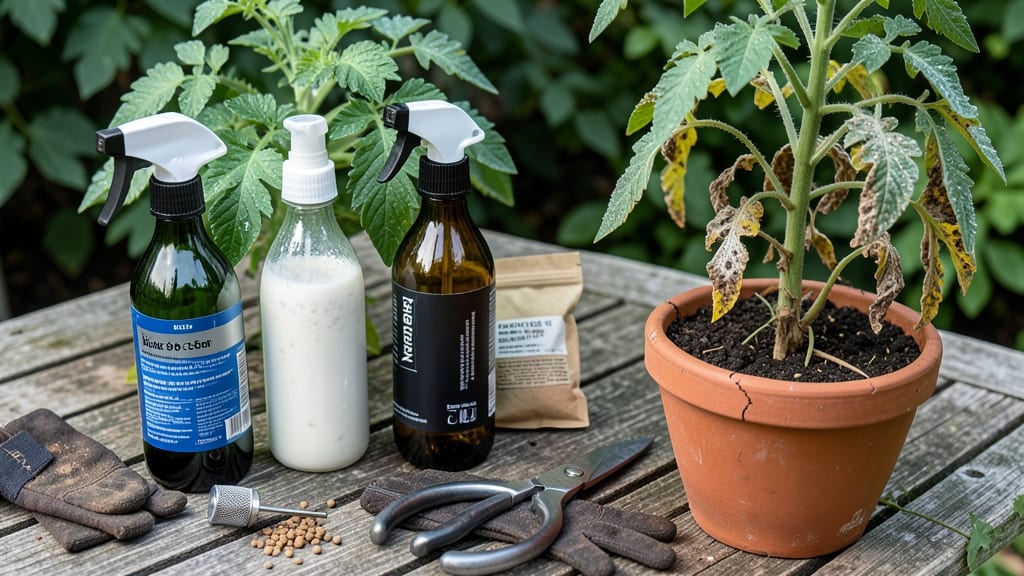
How to treat fungus on tomato plants turns vibrant green leaves into sad, spotted messes faster than you can say "harvest season." 🌱 The good news? Copper spray works like a shield against early blight, late blight, and powdery mildew—when you apply it right. I’ve used this method for three seasons, and my tomatoes now stay healthy even in humid summers.
The first step is identifying the problem: brown spots with yellow halos (early blight), blackened stems (late blight), or white powder (mildew). Once you spot it, act fast—fungus spreads like gossip at a garden club. Copper spray isn’t just a bandage; it stops spores from germinating in the first place.
You’ll see results within 7-10 days of consistent spraying: new leaves stay crisp, vines grow stronger, and your plants focus on fruit instead of fighting disease. The key is timing—start at the first sign of spots and keep spraying every 7-10 days until harvest.
Prevention is easier than curing: water at the base, not overhead, and space plants 18-24 inches apart for airflow. If you’ve had blight before, a preventive spray in early summer saves your sanity—and your tomatoes. Let’s get those plants fighting back!
Root Causes of Tomato Fungus
Fungal infections on tomato plants don’t just appear out of nowhere—they thrive because of specific conditions and vulnerabilities. Understanding these triggers is the first step to preventing and treating outbreaks. Below, we break down the key reasons why fungus attacks your tomato plants, from environmental factors to plant health.
Fungi like **early blight (Alternaria solani), late blight (Phytophthora infestans), and powdery mildew (Oidium neolycopersici) all need moisture to spread. Here’s how it happens:
- Overwatering or overhead irrigation keeps leaves damp for long periods, creating the perfect breeding ground for spores. Fungal spores germinate in 24–48 hours when leaf surfaces stay wet. - Poor spacing between plants reduces airflow, trapping humidity near foliage.
Dense canopies (especially in greenhouses or high-humidity climates) accelerate spore growth. - Morning dew or evening watering without time to dry can prolong moisture exposure, giving fungi an edge.
💡 Pro Tip: Water at the base of plants in the morning to allow leaves to dry quickly. Use drip irrigation or soaker hoses to avoid wetting foliage.
Fungi love warmth and humidity—ideal conditions for many garden regions. Here’s the science:
- Temperature range of 60–85°F (15–30°C) is optimal for fungal spore germination and growth. Late blight, for example, thrives at 68–77°F (20–25°C) with high humidity. - High humidity (above 75%) increases spore survival rates.
In tropical or coastal areas, fungal diseases spread faster due to persistent moisture in the air. - Nighttime temperatures dropping while days stay warm create condensation, further promoting fungal activity.
✨ Actionable Fix: Improve airflow with pruning (remove crowded branches) and spacers (like tomato cages or stakes). If humidity is extreme, use fans to circulate air around plants.
Healthy tomato plants have natural resistance to fungi, but stress makes them susceptible. Common stressors include:
- Nutrient deficiencies, especially lack of phosphorus or potassium, weaken cell walls, making plants easier targets for fungal invasion. - Physical damage (from hail, insects, or rough handling) creates entry points for spores.
Even small wounds can lead to infections. - Over-fertilization with nitrogen (without balancing potassium) leads to soft, lush growth that’s more prone to fungal diseases like early blight. - Transplant shock or poor soil drainage stresses roots, reducing the plant’s ability to fight off pathogens.
🔥 Prevention Tip: Use balanced fertilizer (10-10-10 or 5-10-10) and mulch (straw or grass clippings) to retain moisture without suffocating roots. Avoid compacted soil, which limits root growth.
Fungi can survive in soil for years, lying dormant until conditions are right. Here’s how contamination spreads:
- Old plant debris (infected leaves, stems, or fruit) left in the soil releases spores the next season. Pathogens like Fusarium wilt or Verticillium wilt persist in contaminated soil for 2–5 years. - Reusing infected tools (pruners, stakes, or trellises) transfers spores to healthy plants.
Even watering cans can harbor fungal growth if not cleaned. - Poor crop rotation—planting tomatoes (or nightshades like peppers/eggplants) in the same spot yearly exhausts soil resistance and fuels fungal buys.
🎯 Solution: Practice 3-year rotation, remove all plant debris, and sterilize tools with a 10% bleach solution (1 part bleach to 9 parts water) or rubbing alcohol.
Many tomato fungi spread via wind, water, or infected seeds. Here’s how:
- Late blight spores can travel miles on wind currents, especially in rainy seasons.
They’re highly contagious and can infect plants within 3–5 days of landing. - Splashing water (from rain or overhead irrigation) carries spores from soil to leaves, causing secondary infections. - Infected seeds or transplants introduce fungi directly into your garden. Some pathogens, like Fusarium, are seed-borne.
🚨 Warning: If you live near commercial tomato fields or coastal areas, monitor weather forecasts for high humidity + warm nights—peak conditions for late blight outbreaks.
Even well-intentioned gardening practices can invite fungi:
- Leaving lower leaves on the plant (instead of pruning) traps moisture and debris, promoting early blight. - Harvesting overripe or damaged fruit can introduce spores to healthy parts of the plant.
Fungal spores often hitchhike on cracks or bruises in tomatoes. - Succession planting without sterilizing soil between batches increases the risk of reinfection.
💡 Smart Practice: Prune lower leaves regularly (up to 12 inches from the ground) and harvest promptly to avoid overripe fruit. Sterilize pruners between cuts with isopropyl alcohol**.
How to Fix Fungus Fast
Fungus on tomato plants can feel like a nightmare—especially when those blighted leaves start dropping like autumn leaves! 🍅💨 But don’t panic. With the right mix of prevention, quick fixes, and long-term strategies, you can save your plants and even boost their resilience.
Below, we’ll break down targeted solutions based on the most common causes of fungal infections, plus prevention tips to keep your tomatoes thriving.
The key to beating fungus is catching it early. Here’s how to identify and act fast:
- 🔍 Spot the Signs:
- Brown/yellow spots with yellow halos (early blight or septoria leaf spot).
- White, gray, or powdery patches (powdery mildew).
- Black, crusty lesions (late blight—act immediately).
- Yellowing leaves that curl or drop (often a sign of stress from fungus).
- 🚨 Act Within 24–48 Hours:
- Remove infected leaves (don’t compost them—toss in the trash).
- Prune any severely damaged foliage with sterilized scissors (wipe with rubbing alcohol between cuts).
- Isolate affected plants if possible to prevent spread.
🌡️ Overwatering or poor drainage → adjust watering & airflow
Problem: Too much moisture on leaves or soggy soil creates the perfect fungus buffet.
How to Fix It:
- ⏰ Water at the Base, Not the Leaves – Use a soaker hose or drip irrigation to keep foliage dry. Aim for early morning watering so leaves dry by nightfall.
- 🌬️ Improve Air Circulation – Space plants 18–24 inches apart and prune lower leaves to allow airflow. If growing in containers, ensure pots have drainage holes.
- 💡 Pro Tip: Mulch with straw or grass clippings (not wood chips, which can trap moisture). Keep mulch 2–3 inches away from the stem.
🍳 High humidity or crowded plants → boost ventilation
Problem: Fungus loves humidity—think of it like a sauna for spores.
How to Fix It:
- 🔥 Use a Fan – Place a gentle oscillating fan near plants (even a small USB fan works) to reduce humidity and dry leaves faster.
- 🌿 Thin Out Plants – If growing in a greenhouse or dense garden, remove excess foliage or relocate plants to a sunnier, breezier spot.
- 🌡️ Monitor Humidity – Aim for 40–60% humidity during the day. If your area is prone to dampness, water less frequently but deeply.
🍅 Weak or stressed plants → strengthen defenses
Problem: Nutrient-deficient or overworked plants are easier targets.
How to Fix It:
- 💪 Fertilize Right – Use a balanced fertilizer (10-10-10) or compost tea to boost immunity. Avoid high-nitrogen fertilizers, which promote leafy growth (and more fungus food).
- 🍄 Add Beneficial Fungi – Mix mycorrhizal fungi (available as powders) into soil to outcompete harmful pathogens.
- 🌱 Rotate Crops – If you replant tomatoes in the same spot yearly, switch to a different plant family (like beans or peas) next season to break the fungus cycle.
🔥 Late blight or severe infection → copper spray cure
Problem: Late blight (Phytophthora infestans) is the most aggressive and spreads like wildfire. Act fast!
How to Fix It (Emergency Mode):
- 🛡️ Apply Copper Fungicide – Mix 1 tbsp baking soda + 1 quart water + 1 tsp dish soap + 1 tbsp vegetable oil (DIY spray) OR use a store-bought copper fungicide (like Copper Soap or Bonide Copper Fungicide).
- Spray every 5–7 days until new growth appears.
- Cover both tops and undersides of leaves.
- 🍅 Remove All Infected Fruit – Don’t risk eating contaminated tomatoes. Dispose of them (do not compost).
- 🔥 Solarize the Soil (If Possible) – In warm climates, cover soil with clear plastic for 4–6 weeks to kill fungus spores.
🍄 Powdery mildew → baking soda & neem oil combo
Problem: White, powdery residue on leaves? That’s powdery mildew, and it’s highly contagious.
How to Fix It:
- 🍳 Homemade Spray Recipe:
- 1 tsp baking soda + 1 quart water + 1 tsp horticultural oil or neem oil.
- Add a drop of dish soap as a surfactant.
- Spray every 7–10 days (or after rain).
- 🌿 Prevent Recurrence:
- Space plants wider (powdery mildew thrives in tight quarters).
- Avoid overhead watering.
- Plant resistant varieties like ‘Mountain Merit’ or ‘Defiant PhR’.
Once you’ve treated the infection, lock in those gains with these long-term strategies:
- 🌱 Choose Resistant Varieties – Look for tomatoes labeled "blight-resistant" (e.g., ‘Celebrity,’ ‘Jetset,’ ‘Mountain Spring’). - 🍅 Rotate Plant Locations – Never grow tomatoes (or nightshades like peppers/eggplants) in the same spot two years in a row. - 🌿 Practice Crop Rotation – Follow tomatoes with non-nightshade crops like beans, cucumbers, or onions. - 🔄 Sterilize Tools & Containers – Wash pots and pruners with 10% bleach solution (1 part bleach to 9 parts water) between uses. - 🌡️ Test Your Soil – Fungus thrives in acidic or compacted soil.
Aim for a pH of 6.0–6.8 and well-draining conditions.
Final Thought: Fungus on tomato plants is manageable—but speed is everything. The moment you spot those first ugly spots, act like a detective: diagnose the cause, apply the right fix, and prevent a comeback.
With these strategies, your tomato plants will bounce back stronger (and you’ll enjoy a bountiful, blight-free harvest!). 🍅💪
Frequently asked questions
Can I still eat tomatoes from plants with fungus?
Only if the fruit itself shows no signs of infection. Remove any tomatoes with black spots, cracks, or soft rot immediately—they’re contaminated. Focus on harvesting healthy fruit and disposing of infected ones in the trash (not compost). The real risk is spreading spores to other plants, so act fast to protect your entire crop.
How often should I apply copper spray for prevention?
Start with a preventive spray every 7-10 days during high-risk periods (humid summers or rainy seasons). Once you see the first signs of fungus, switch to weekly applications until the threat passes. Copper builds up in plant tissues, so consistency matters more than frequency—think of it like taking vitamins for your tomatoes!
Will organic fungicides work as well as chemical ones?
Yes, but with different mechanisms. Organic options like neem oil, baking soda sprays, or copper fungicides prevent spore germination rather than killing established infections. For severe cases (like late blight), chemical fungicides may be more effective—but organic methods work beautifully for prevention and mild infections when applied consistently.
Can I save a tomato plant that's already lost most of its leaves?
It depends on the root system. If the plant still has healthy stems and green growth higher up, it can recover with aggressive treatment: prune all diseased leaves, apply copper spray immediately, and improve airflow. If the plant is completely defoliated or the stems are blackened, it’s likely too late to save—focus on protecting neighboring plants instead.
Why does fungus keep coming back even after treatment?
This usually means spores are still present in your garden. Fungi can survive in soil for years, so remove all plant debris and practice 3-year crop rotation. Also check your watering habits—overhead irrigation or evening watering keeps leaves damp too long. The key is breaking the fungus’s life cycle by eliminating its food source (infected plants) and moisture.