
Plants
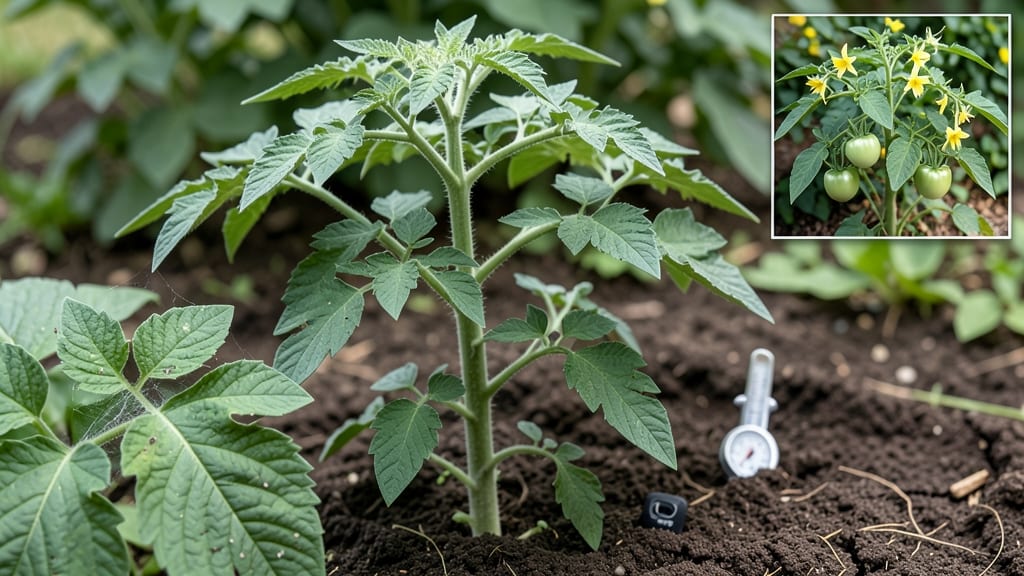
Your tomato plants are throwing a tantrum by refusing to bud—this pruning fix will change everything. 🌱 I’ve watched my own plants go from leafy monsters to productive powerhouses just by making a few simple cuts, and the difference is night and day.
The key isn’t just when you prune but how—and most gardeners miss the critical details that actually trigger bud formation.
Here’s the thing: tomato plants need a balance of air circulation and energy focus. Too many leaves in the wrong places means the plant wastes energy shading itself instead of setting fruit.
I learned this after my first season of pruning too late—by then, the plant was already stressed and never recovered. The right cuts redirect energy to where it matters: the growing tips and flower clusters.
Within 7-10 days of proper pruning, you’ll start seeing new growth in the right places—tiny buds forming where the old leaves used to be. The plants stay compact, resist disease better, and produce fruit that’s actually worth picking. No more hollow vines or sad little tomatoes that never ripen.
This works for both indeterminate (vining) and determinate (bush) varieties, whether you’re growing in the ground, containers, or raised beds. The same principles apply—just adjust the cutting frequency based on your plant’s size. Let’s get those buds forming!
What Stops Tomato Flowers From Forming
Tomatoes are supposed to be prolific bloomers, but when buds fail to appear, it’s usually a sign your plants are sending out distress signals. Understanding the root causes—whether environmental, biological, or cultural—can help you diagnose the issue and take corrective action.
Let’s break down the most common reasons why your tomato plants might be skipping the flowering stage.
Tomatoes are warm-season plants, and they have a narrow temperature comfort zone for flowering. If conditions stray too far from ideal, buds may abort before opening—or fail to form at all.
- Too Cold (Below 50°F/10°C): - Buds require consistent warmth to develop.
Below 50°F, pollen production slows or stops, and flowers may drop before pollination. - Nighttime temps below 55°F (13°C) can trigger flower drop syndrome, where buds shrivel and fall off. - Solution: Use row covers or cloches to protect plants if frost threatens.
Choose heat-tolerant varieties (like ‘Solar Fire’ or ‘Heatmaster’) if your climate swings wildly.
- Too Hot (Above 90°F/32°C):
- High daytime temps (especially above 95°F/35°C) can cause bud blast, where flowers form but then wilting and drop before pollinating.
- Heat stress also disrupts photosynthesis, starving the plant of energy needed for flowering.
- Solution: Provide shade cloth (30-50%) during peak heat. Drip irrigation keeps roots cool and prevents soil from overheating.
Tomatoes are heavy feeders, and even slight nutrient deficiencies or excesses can halt bud formation. The most critical offenders?
- Lack of Phosphorus (P):
- Phosphorus is the "flowering nutrient"—it triggers blooms and fruit set. A deficiency (yellowing leaves, purple stems) means no energy for buds.
- Fix: Apply a balanced fertilizer (10-10-10 or 5-10-10) at planting, then side-dress with bone meal (3-4-0) for a phosphorus boost.
- Too Much Nitrogen (N):
- Nitrogen fuels leafy growth, but excess N delays flowering as the plant prioritizes foliage over reproductive structures.
- Signs: Lush green leaves with no buds after 6+ weeks of growth.
- Fix: Switch to a low-nitrogen, high-phosphorus fertilizer (e.g., 2-8-4). Stop high-nitrogen feeds (like fresh manure or blood meal) once plants start flowering.
- Potassium (K) Deficiency:
- Potassium helps strengthen cell walls and regulate water uptake—critical for bud development. A deficiency (weak stems, yellow leaf edges) can lead to bud drop.
- Fix: Use potassium sulfate (0-0-50) or wood ash (sparingly) to correct imbalances.
Tomatoes are sensitive to moisture fluctuations, and irregular watering can shock the plant into dropping buds or preventing new ones from forming.
- Inconsistent Watering: - Drought stress causes buds to abort as the plant conserves energy.
Conversely, overwatering (leading to root rot or fungal issues) weakens the plant’s ability to support flowers. - Solution: Aim for 1-1.5 inches of water per week, delivered deeply 2-3 times per week (not daily shallow watering). Use drip irrigation to keep foliage dry.
- Stress from Transplant Shock:
- If seedlings are overcrowded or root-bound before transplanting, they’ll focus on recovering roots instead of flowering.
- Fix: Hardening off seedlings gradually (7-10 days) and spacing plants 18-24 inches apart ensures strong root systems.
Certain pests and pathogens directly consume buds or weaken plants to the point where flowering stops.
- Hornworms & Budworms:
- These voracious caterpillars munch on flowers and buds before they can develop.
- Solution: Handpick pests (they’re easy to spot!) or use BT (Bacillus thuringiensis) spray.
- Whiteflies & Spider Mites:
- These sap-sucking insects cause stress and stunted growth, leading to reduced bud formation.
- Solution: Spray with neem oil or insecticidal soap to disrupt their life cycle.
- Fungal Issues (Early Blight, Verticillium Wilt):
- Fungal diseases clog plant tissues, preventing nutrients from reaching buds. Wilting leaves or dark spots are red flags.
- Solution: Rotate crops, remove infected plants, and apply copper fungicide preventatively.
Tomatoes need proper airflow and light exposure to set buds. If they’re overpruned, overcrowded, or shaded, they’ll focus on survival—not reproduction.
- Excessive Pruning:
- Removing too many suckers (side shoots) or topping the plant too early can reduce flowering signals.
- Fix: Prune only aggressive suckers (those larger than a pencil) and leave lower leaves to support early fruit.
- Overcrowded Plants:
- Shaded or competing plants (like weeds or other crops) steal sunlight and nutrients, stunting bud development.
- Fix: Thin plants to 18-24 inches apart and remove competing vegetation within a 2-foot radius.
- Shock from Improper Transplanting:
- Damaged roots during transplanting delay flowering as the plant recovers.
- Fix: Buried stems (up to the first leaves) encourage stronger root growth without stress.
Pro Tip: 💡 Keep a garden journal! Track temps, watering, and fertilizer dates to spot patterns—like a sudden heatwave or over-fertilization—that coincide with bud failure.
Fixing Tomato Plants Without Buds
When your tomato plants are stubbornly refusing to bud, don’t panic—there’s always a way to turn things around! The key is identifying the root cause (or roots, in this case) and applying the right fix.
Below, we’ve mapped out practical solutions for common culprits, along with prevention tips to keep your plants thriving. Let’s get your tomatoes back on track to a bountiful harvest! 🌱🍅
Fix: Adjust growing conditions to match tomato preferences.
Tomatoes thrive in warmth (60–85°F during the day, 55–70°F at night). If temps dip too low or spike too high, buds may drop or fail to form. Here’s how to correct it:
- 🔥 Move or shade plants if daytime temps exceed 90°F. Use shade cloth (30–50%) or relocate pots to a dappled spot. - 🌡️ Extend the growing season in cool climates with row covers or cold frames.
Tomatoes need at least 70 days of warmth to set fruit. - ❄️ Protect from frost—even a light freeze can shock plants. Use frost blankets or grow tomatoes in containers for easy relocation. - 💧 Water consistently—fluctuating moisture stresses plants.
Aim for 1–1.5 inches of water per week, keeping soil evenly damp (not soggy).
Prevention Tip: 🌡️ Choose heat-tolerant varieties like ‘Solar Fire’ or ‘Heatmaster’ if your summers are scorching.
Fix: Rebalance soil nutrients for bud and fruit development.
If your plants are leafy but fruitless, nitrogen-heavy fertilizers are likely to blame. Tomatoes need phosphorus (P) and potassium (K) for flowering and fruiting.
- 🍽️ Switch to a bloom-boosting fertilizer (e.g., 5-10-10 or 7-9-5 ratio). Look for phosphorus (P) as the middle number. - 🌿 Add compost or bone meal (3–4 tbsp per plant) to the soil for a phosphorus boost.
Mix it into the top 6 inches of soil. - 🚫 Avoid fresh manure—it’s too strong and can burn roots. Compost it first for 2–3 months before use. - 💧 Flush the soil with water if you suspect over-fertilization. Let excess nutrients drain away to prevent root burn.
Prevention Tip: 📊 Test your soil every 2–3 years. Home test kits (like Luster Leaf) are affordable and easy to use.
Fix: Ensure your tomatoes get 6–8 hours of direct sun daily.
Shady spots lead to weak growth, fewer buds, and poor fruit set. If your plants are struggling:
- 🌞 Relocate plants to a sunnier spot.
South-facing windows or fences work best in containers. - 🏠 Adjust container placement—if indoors, use grow lights (LED or fluorescent) for 12–14 hours/day. - 🌳 Thin nearby plants if competing for light (e.g., tall sunflowers or dense shrubs). - 🔄 Rotate pots weekly to ensure even light exposure (prevents lopsided growth).
Prevention Tip: ✨ Start with the right spot—tomatoes are sun-worshippers! Avoid planting under trees or in deep shade.
Fix: Optimize watering and soil structure for healthy roots.
Tomatoes hate soggy feet—excess moisture can drown roots and prevent bud formation.
- 💧 Water deeply but less frequently (1–2 times per week, depending on heat).
Let the top 1–2 inches of soil dry out between waterings. - 🏗️ Improve drainage by amending soil with perlite, vermiculite, or coarse sand (20% mix). - 🪴 Use raised beds or containers if your garden soil is clay-heavy.
Add compost or coconut coir to lighten it. - 🚫 Avoid wetting leaves—water at the base to prevent fungal diseases like blight, which stress plants.
Prevention Tip: 🌡️ Check soil moisture by sticking your finger 1 inch deep—if it’s damp, wait before watering.
Fix: Encourage airflow and redirect energy to bud production.
If your tomato plants are too bushy or tangled, they waste energy on foliage instead of flowers.
- ✂️ Prune suckers (the small shoots in the leaf axils).
Remove them early to focus energy on fruit production. - 🌿 Thin leaves near the base (up to the first flower cluster) to improve airflow and sunlight penetration. - 📏 Space plants properly—18–24 inches apart for determinate (bush) tomatoes, 24–36 inches for indeterminate (vining) types. - 🪴 Support plants with cages or stakes to prevent sprawling, which can block light and airflow.
Prevention Tip: 🎯 Prune regularly (every 1–2 weeks) to maintain an open, airy structure.
Fix: Treat infestations and protect plants from stress.
Pests like aphids, whiteflies, or spider mites sap energy, while diseases (e.g., early blight) weaken plants.
- 🐜 Inspect leaves daily—look for holes, yellowing, or sticky residue (signs of pests).
- 💦 Spray with neem oil (1 tsp per quart of water) or insecticidal soap for mild infestations.
- 🛡️ Use row covers early in the season to block pests like flea beetles.
- 🌿 Remove diseased leaves immediately and sterilize pruners with rubbing alcohol.
- 🍄 Apply copper fungicide (like Bonide) if you spot blight or mildew spots.
Prevention Tip: 🌱 Rotate crops—don’t plant tomatoes in the same spot yearly to break disease cycles.
Fix: Help plants recover from stress.
If buds aren’t forming 2–3 weeks after transplanting, roots may still be adjusting.
- 💧 Water thoroughly after transplanting to reduce shock.
Keep soil consistently moist for the first week. - 🌿 Avoid fertilizing for 1–2 weeks post-transplant—focus on root establishment first. - 🪴 Use root stimulator (like Seaweed Extract or Mycorrhizal fungi) to encourage growth. - 🏡 Keep plants shaded for a few days if moving them to a new location.
Prevention Tip: 🌱 Hardening off seedlings (acclimating them to outdoor conditions) reduces transplant shock.
Fix: Choose the right tomato type for your climate.
Some tomatoes take longer to mature or need specific conditions to bud.
- 🍅 Pick early-blooming varieties like ‘Early Girl’ or ‘Stupice’ if your season is short.
- 🌡️ Plant heat-loving varieties (‘Solar Fire’, ‘Arkansas Traveler’) in hot climates.
- 📅 Check days to maturity—ensure your growing season aligns with the plant’s needs.
Prevention Tip: 📅 Start seeds indoors 6–8 weeks before the last frost for a head start.
If your tomatoes are close but not quite budding, try this two-part trick: 1. 🌿 Pinch off the first few leaves at the base to redirect energy upward.
- 💧 Give them a "drought stress"—let the soil dry out completely for 3–4 days, then water deeply. This can trigger flowering in some varieties!
By tackling the root cause (pun intended!) and applying these fixes, your tomato plants should **rebound with buds—and
Frequently asked questions
Why do my tomato plants have leaves but no buds?
Excess nitrogen or insufficient sunlight are the top culprits. Too much nitrogen fuels leafy growth while starving buds of energy. Check your fertilizer—switch to a low-nitrogen, high-phosphorus blend (like 5-10-10) if your plants are all leaves. Also ensure they get 6-8 hours of direct sun daily—shady spots delay flowering.
Can I force tomato plants to bud after they've been leafy for weeks?
Yes! Try the 2-step trick: First, pinch off the bottom 3-4 leaves to redirect energy upward. Then, let the soil dry out completely for 3-4 days (this mimics drought stress), then water deeply. Many varieties respond within 7-10 days with new bud formation.
What's the difference between suckers and buds on tomato plants?
Suckers are side shoots growing in leaf axils (they appear between main stems and branches), while buds are tiny flower clusters that form at the tips of stems. Prune suckers larger than a pencil to focus energy on fruit production, but never remove actual buds—these are your future tomatoes!
Will pruning too much hurt my tomato plants?
Yes—over-pruning removes too much foliage, reducing the plant's ability to photosynthesize. Never remove more than 20-30% of leaves at once. Focus on removing only aggressive suckers (larger than a pencil) and diseased/damaged leaves. Leave lower leaves intact to support early fruit development.
How do I know if my tomato plants need more phosphorus?
Look for these signs: dark green leaves with purple stems or leaves that yellow between veins. A soil test confirms it, but you can also try adding bone meal (3-4 tbsp per plant) mixed into the top 6 inches of soil. Phosphorus is the "flowering nutrient"—it triggers bud formation when plants are ready.