
Planting
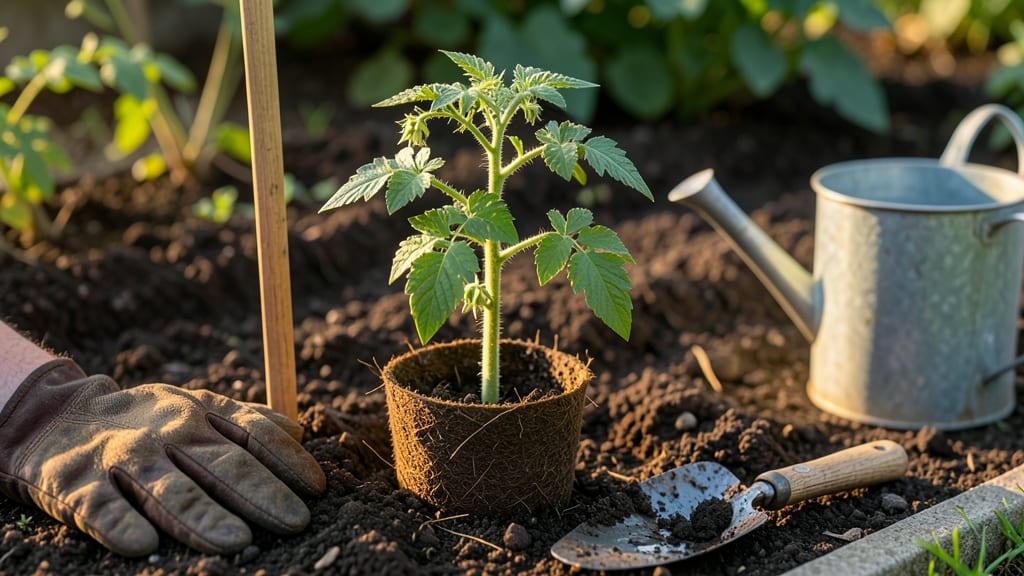
Organic tomato transplants should be planted after the last frost, 2-3 weeks before your average last spring frost date, in nutrient-rich, well-draining soil with full sun exposure. Always harden off seedlings for 7-10 days beforehand to strengthen their resilience and promote robust root development.
Timing your organic tomato transplants correctly is about more than just avoiding frost—it's about giving your plants the perfect start. 🌱 The 2-3 week window before your last frost date lets the soil warm to at least 60°F, which is critical for root growth and disease prevention.
I've found that transplanting too early can leave plants vulnerable to cold snaps, while waiting too long may stress them before they've had time to establish. Regional differences matter too: gardeners in Zone 5 should aim for late May, while Zone 8 growers can plant as early as March.
The key is matching your variety's maturity timeline with your local climate to ensure a bountiful harvest.
Once you've got the timing right, proper soil prep makes all the difference.
Organic matter like compost or aged manure improves drainage while providing essential nutrients, and mulching helps retain moisture and suppress weeds. 🌿 I recommend spacing plants 18-24 inches apart depending on your variety—this prevents overcrowding and improves air circulation, which is crucial for preventing fungal diseases.
After transplanting, consistent watering at the soil level (not the leaves) and providing support like cages or stakes will help your plants grow strong and healthy.
💡 In This Article
- Optimal Timing and Climate Conditions for Tomato Transplants
- Step-by-Step Organic Transplanting Guide for Healthy Growth
Optimal timing and climate conditions for tomato transplants
Tomatoes are frost-sensitive because their cell membranes contain unsaturated fats that solidify below 32°F, causing irreversible damage. Even light frost can trigger cold stress in transplants, where ice crystals form in plant tissues and disrupt cellular functions.
The 2-3 week window before your last frost date ensures soil temperatures reach 60°F—the minimum for root growth and microbial activity that breaks down organic matter into plant-accessible nutrients. 🌱
Soil temperature is more critical than air temperature because roots need warmth to absorb water and nutrients. Use a soil thermometer to confirm—most organic tomato varieties thrive when soil stays above 55°F consistently.
Regional USDA zones guide this timing: Zone 5 gardeners should wait until mid-May, while Zone 10 can plant as early as February. Early varieties (like 'Early Girl') tolerate cooler soils better than late varieties (like 'Brandywine'), which need warmer conditions to set fruit.
Adjusting for your microclimate matters too. Urban areas with heat islands may warm faster than rural zones, while coastal regions might experience delayed soil warming due to ocean breezes. I've seen 5-7°F differences in soil temps just 100 feet apart—always test your specific spot.
Planting too early risks stunted growth from cool soils, while waiting too long may stress seedlings before they've established roots deep enough to access moisture during summer droughts.
Disease resistance also ties to timing. Warm soil promotes beneficial microbes that outcompete pathogens like Fusarium wilt, but cool soils favor fungal growth.
Transplanting when nighttime temps stay above 50°F reduces this risk. 🌿 For organic growers, this means avoiding early planting in cold frames unless you're using row covers to create a warmer microclimate. The goal is to balance frost avoidance with soil warmth—neither should be compromised.
Consider your variety's days-to-maturity when planning. Early varieties planted 2-3 weeks before last frost may produce fruit before late-season heat waves, while late varieties need the entire growing season.
For example, a 60-day variety planted in Zone 7 on April 15th will likely ripen by June 15th—perfect for early harvests before summer pests peak. Always check your seed packet for specific recommendations.