
Planting
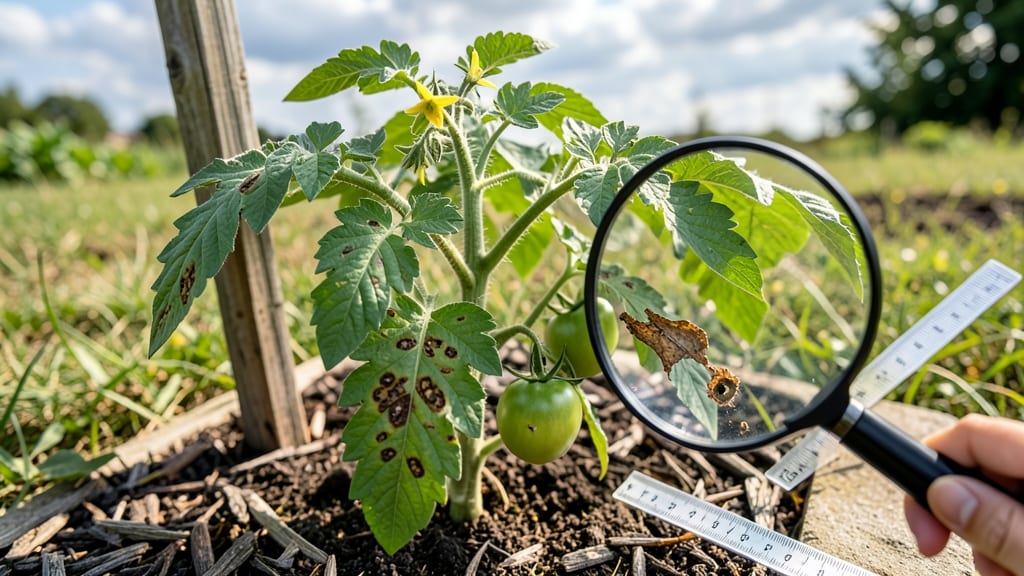
Your tomato plant’s leaves are sending you a distress signal—here’s how to read them with pictures of tomato plant leaf problems to spot the issue instantly. 🌱 I’ve spent years diagnosing leaf issues, and these 10 problems show up more than any others, each with a distinct pattern that tells you exactly what’s wrong (and how to fix it).
The good news? Most issues respond fast to simple fixes—once you know what you’re looking at. We’ll cover everything from early-season yellowing to late-summer blight, with side-by-side comparisons so you can match your plant’s symptoms to the solution in seconds.
By the end, you’ll spot trouble before it spreads and save your harvest. The key is acting early—some problems (like early blight) start small but escalate fast if ignored. This guide works for backyard gardens, containers, and even greenhouse setups. Let’s get those plants back to thriving!
Root Causes of Leaf Troubles
Tomato plants are resilient, but their leaves often signal distress when conditions go awry. Understanding the why behind common leaf problems is the first step to saving your harvest. Below, we break down the most frequent culprits—from microscopic invaders to environmental stressors—and explain the science behind the damage.
Tomato leaves are sensitive to heat stress and cold snaps, which disrupt their cellular functions. Here’s how it happens:
- Heat Stress (Above 90°F/32°C):
- High temperatures denature enzymes in leaves, slowing photosynthesis and causing leaf scorch (brown, crispy edges).
- Stomata (tiny leaf pores) close to conserve water, but this also traps heat, leading to sunburn (yellow/brown patches).
- Actionable fix: Provide shade cloth (30-50% coverage) during peak afternoon heat and mulch heavily to cool roots.
- Cold Damage (Below 50°F/10°C):
- Cold slows metabolic processes, causing chlorophyll breakdown (yellowing leaves, called chlorosis).
- Frosts rupture cell walls, leading to blackened, mushy leaves (often seen in early spring or fall).
- Actionable fix: Use row covers or cloche tunnels for young plants and avoid planting too early in cool climates.
- Wind & Physical Abrasion:
- Strong winds tear leaf tissue, creating lacy or shredded edges.
- Sand or soil particles act like microscopic sandpaper, causing scab-like lesions.
- Actionable fix: Plant tomatoes near windbreaks (e.g., corn or tall grasses) and stake plants to reduce flopping.
Water is life for tomatoes—but too much or too little throws their system into chaos.
- Underwatering (Drought Stress):
- Leaves wilt as cells lose turgor pressure (water-filled rigidity).
- Severe cases cause necrosis (dead tissue) at leaf margins, often curling inward.
- Science: Tomato roots release ethylene gas when thirsty, accelerating leaf senescence (aging).
- Actionable fix: Water deeply 1-2 times per week (1-2 inches per week) and use drip irrigation to keep soil moist.
- Overwatering (Root Rot & Oxygen Starvation):
- Soggy soil drowns roots, cutting off oxygen and inviting fungal pathogens like Phytophthora.
- Leaves turn yellow (chlorosis) then brown and mushy, often starting at the bottom.
- Science: Lack of oxygen triggers anaerobic respiration, producing toxic ethanol in roots.
- Actionable fix: Ensure well-draining soil (amend with compost or perlite) and raise beds if your soil holds water.
- Sudden Water Fluctuations:
- Alternating between drought and flood shocks the plant, causing cracked stems and blossom-end rot (which also affects leaves).
- Actionable fix: Mulch to stabilize soil moisture and water consistently (never let soil dry out completely).
Tiny but mighty, pests and pathogens hijack tomato leaves using stealth tactics.
- Fungal Infections (Early Blight, Late Blight, Powdery Mildew):
- Early blight (Alternaria solani): Fungal spores infect through wounds, creating concentric rings (target spots) that expand.
- Late blight (Phytophthora infestans): Spreads via water splashes, causing greasy, brown lesions with white mold underneath.
- Powdery mildew (Oidium): Forms white, powdery patches by suffocating stomata, blocking gas exchange.
- Science: Fungi release toxins that disrupt chlorophyll production.
- Actionable fix: Rotate crops, remove infected leaves immediately, and spray with copper fungicide or neem oil.
- **Bacterial Spot (Xanthomonas perforans):
- Bacteria
- Science: Bacteria clog xylem vessels, restricting water and nutrient flow.
- Actionable fix: Sterilize pruners with rubbing alcohol, avoid overhead watering, and use bacterial-resistant varieties like ‘Celebrity’.
- Spread by sap-sucking insects (aphids, thrips), viruses rewire plant cells to produce viral proteins.
- Symptoms: Mosaic patterns (light/dark green patches), stunted growth, and cupping.
- Science: Viruses disrupt RNA translation, halting protein synthesis in leaves.
- Actionable fix: Remove infected plants ASAP (burn them!) and control insect vectors with insecticidal soap.
- These sap-suckers pierce cells, causing yellow stippling (aphids) or fine webbing (mites).
- Science: Their saliva contains toxins that trigger phytoalexins (plant defense chemicals), leading to distorted, curled leaves.
- Actionable fix: Blast off pests with water spray, introduce ladybugs, or use horticultural oil.
Tomatoes are heavy feeders, and imbalances show up fast on leaves.
| Symptom | Likely Cause | Why It Happens | Fix It |
|---|---|---|---|
| Yellow between veins | Nitrogen (N) deficiency | Chlorophyll (green pigment) needs nitrogen; without it, leaves can’t photosynthesize. | Side-dress with compost or blood meal. |
| Purple stems/leaves | Phosphorus (P) deficiency | Phosphorus fuels ATP energy transfer; stress (heat/drought) worsens it. | Add bone meal or rock phosphate. |
| Brown leaf edges | Potassium (K) deficiency | Potassium regulates water and enzyme activity; deficiency causes necrosis. | Use wood ash or greensand. |
| Yellowing all over | Magnesium (Mg) deficiency | Magnesium is central to chlorophyll; old leaves show first (interveinal chlorosis). | Apply Epsom salt (1 tbsp/gallon water). |
| Crinkled, small leaves | Boron (B) deficiency | Boron stabilizes cell walls; deficiency causes poor calcium uptake. | Use borax (1 tsp/bucket of water). |
| Burnt leaf tips | Salt/Chlorine toxicity | Over-fertilizing or municipal water introduces excess salts, scorching edges. | Flush soil with rainwater and test pH (ideal: 6.0–6.8). |
- Herbicide Drift or Residue:
- Glyphosate (Roundup) and other herbicides disrupt plant hormones, causing cupped, distorted leaves.
- Science: They mimic auxin (a growth hormone), leading to uncontrolled cell elongation.
- Actionable fix: Test soil for residues and avoid spraying nearby crops.
- Alkaline Soil (High pH):
- pH above 7.0 locks out micronutrients (iron, manganese, zinc), causing yellowing even if soil has enough nutrients.
- Science: High pH precipitates nutrients into unusable forms (e.g., iron becomes Fe³⁺, which plants can’t absorb).
- Actionable fix: Lower pH with sulfur or peat moss and use chelated fertilizers.
- Compacted or Poor Soil:
- Clay-heavy or waterlogged soil restricts root growth, leading to stunted plants and pale, weak leaves.
- Science: Roots **can
Quick Fixes for Tomato Leaf Troubles
Now that you’ve spotted the issue, let’s roll up our sleeves and get your tomato plants back to their healthy, leafy best! Below are practical, step-by-step solutions tailored to each common problem—plus pro tips to keep those lush leaves thriving long-term.
Cause: Overwatering, poor airflow, or contaminated soil. How to Treat It:
- 🔥 Remove the Problem Leaves Snip off infected leaves immediately with clean pruners (sterilize with rubbing alcohol). Dispose of them in the trash—not the compost—to prevent spread.
- 🍳 Apply Fungicide - Baking soda spray (for powdery mildew): Mix 1 tsp baking soda + 1 tbsp oil + 1 tsp mild soap + 1 gallon water.
Spray every 7–10 days until the issue clears. - Copper fungicide (for blight): Follow label instructions for a preventative spray before symptoms appear.
- 👨🍳 Improve Airflow & Light
- Space plants 18–24 inches apart (or prune nearby foliage).
- Water only at the base (avoid wetting leaves).
- Ensure 6–8 hours of sunlight daily.
💡 Prevention Tip: Rotate crops yearly—never plant tomatoes (or nightshades) in the same spot two years in a row.
Cause: Weak plants, overcrowding, or lack of beneficial insects. How to Treat It:
- 🔪 Handpick & Squish (Literally)
- Hornworms: Hunt them down (they’re camouflaged!) and drop them in soapy water.
- Aphids: Blast them off with a strong spray of water or wipe leaves with a soapy cloth.
- 🥘 Natural Pest Deterrents
- Neem oil spray (1 tbsp neem oil + 1 tsp mild soap + 1 quart water). Spray every 5–7 days until pests vanish.
- Introduce predator insects: Ladybugs and lacewings love eating aphids—buy them at garden centers!
- 🌡️ Boost Plant Resilience
- Fertilize lightly with a balanced 10-10-10 or fish emulsion to strengthen plants.
- Mulch heavily to retain moisture and deter mites.
✨ Pro Tip: Plant basil, marigolds, or nasturtiums nearby—they repel pests naturally!
Cause: Overwatering, underwatering, or poor drainage. How to Fix It:
- 🔥 Check Your Watering Habits
- Tomatoes need 1–2 inches of water per week (more in heat). Water deeply but infrequently—soak the soil, then let the top inch dry out.
- Test drainage: If water pools after 30 mins, amend soil with perlite or compost to improve airflow.
- 🍳 Adjust for Heat Stress (Brown Edges)
- Morning watering reduces evaporation and leaf scorch.
- Shade cloth (30–50%) can help during 100°F+ days.
- 👨🍳 Revive Wilting Plants
- Prune lower leaves to improve airflow.
- Fertilize with potassium (like banana peel tea) to help recovery.
🎯 Prevention Tip: Use drip irrigation or soaker hoses to deliver water directly to roots—no leaf contact!
Cause: Poor soil, over/under-fertilizing, or pH imbalances. How to Fix It:
| Symptom | Likely Deficiency | Quick Fix | Prevention |
|---|---|---|---|
| Yellow lower leaves | Nitrogen | Add compost or blood meal (follow package rates). | Test soil pH (aim for 6.0–6.8). |
| Purple stems/leaves | Phosphorus | Mix bone meal into soil at planting. | Use balanced fertilizer (10-10-10). |
| Brown leaf edges | Potassium/Magnesium | Spray Epsom salt solution (1 tbsp/gal water) or use kelp meal. | Mulch with well-rotted manure. |
💡 Pro Tip: Avoid synthetic fertilizers—they can burn roots. Opt for organic slow-release options like worm castings.
- 🔥 Prune Strategically
- Remove damaged leaves but leave healthy foliage for photosynthesis.
- Pinch suckers (side shoots) to redirect energy to fruit production.
- 🍳 Support Weak Plants
- Stake or cage tomatoes to prevent stress from wind/rain.
- Mulch with straw to retain moisture and deter weeds.
- 👨🍳 Monitor & Repeat
- Check plants daily for new issues.
- Rotate treatments (e.g., alternate neem oil with insecticidal soap) to avoid resistance.
🎯 Final Reminder: The key to happy tomato plants? Prevention + quick action. Once you spot a problem, act fast—but don’t panic! With these fixes, your plants will bounce back stronger, and you’ll be feasting on juicy tomatoes in no time. 🍅🔥
Frequently asked questions
How can I tell if my tomato plant has early blight vs. late blight?
Early blight shows as concentric brown rings (like bullseyes) on lower leaves, while late blight creates greasy, dark brown lesions with white mold underneath—often starting on upper leaves. Early blight spreads slowly, while late blight advances rapidly (within days) and can destroy plants. Check the undersides of leaves for white fungal growth with late blight.
Why are my tomato leaves curling but there are no visible pests?
Curling without pests could signal heat stress (edges crispy), viral infection (mosaic patterns), or nutrient deficiency (especially magnesium). First check leaf edges—if brown and brittle, it’s heat. If leaves show yellow patches between veins, try Epsom salt spray (1 tbsp/gallon water). For viruses, remove the plant immediately to prevent spread.
Can I save a tomato plant with bacterial spot?
Yes, but act fast! Prune all infected leaves (sterilize tools with rubbing alcohol) and avoid overhead watering. Use copper fungicide (like Bordeaux mix) every 7–10 days and space plants 24+ inches apart for airflow. For severe cases, consider replacing the plant—bacterial spot spreads quickly and can’t be fully eradicated once established.
What’s the fastest way to fix yellow leaves on my tomato plant?
First, check the leaf pattern: If yellow between veins, it’s likely nitrogen deficiency—side-dress with compost. If yellow all over, try Epsom salt spray (1 tbsp/gallon) for magnesium. For brown edges, reduce watering and use potassium-rich fertilizer (like wood ash). Always check soil moisture—overwatering causes yellowing too!
How do I prevent tomato leaf problems in my greenhouse?
Greenhouses trap humidity—ventilate daily and use exhaust fans to maintain airflow. Space plants 18–24 inches apart and water only at the base (never overhead). Monitor temperatures (70–85°F ideal) and use shade cloth in summer. Rotate crops yearly and sterilize tools between plants to prevent fungal/bacterial spread.