
Pests and Diseases
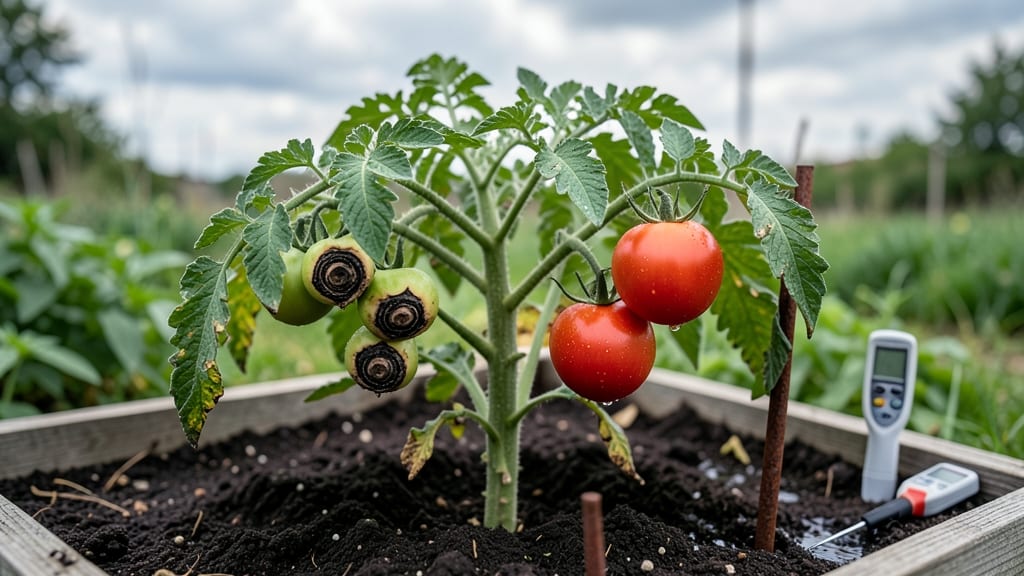
Your tomatoes are developing those dreaded black bottoms, and you're ready to save your harvest. 🌱 Blossom end rot—also called tomato black bottom disease—turns the bottoms of your fruit into sunken, dark patches, but the good news is it's usually fixable with simple adjustments.
The culprit is almost always calcium deficiency, often triggered by inconsistent watering or soil pH issues. I've seen gardeners panic when they spot the first black spot, but the key is understanding the root cause: uneven moisture stress or poor soil balance.
Once you address those, your plants bounce back faster than you'd expect.
You'll start by testing your soil's calcium levels and watering consistently—no more soaking one day and drying out the next. Amending with crushed eggshells or lime can work wonders, and mulching keeps moisture steady. Within weeks, new fruit will form without those ugly black bottoms.
This works for both garden beds and containers, and the same principles apply to peppers and squash too. Let's get your tomatoes back to their juicy, blemish-free best.
Root Causes Of Blackened Tomatoes
When your tomatoes develop that telltale blackened bottom—often called blossom end rot—it’s rarely caused by a single factor. Instead, it’s usually a perfect storm of environmental and cultural issues that disrupt the fruit’s calcium balance.
Understanding these triggers is the first step to prevention. Let’s break down the science behind why your tomatoes turn ugly.
The most common cause of black bottom disease is a lack of available calcium in the fruit’s growing tissue. Calcium is essential for cell wall structure, and when tomatoes can’t absorb enough—even if the soil has plenty—weak spots form at the blossom end (the oldest part of the fruit).
These spots then collapse and darken as the fruit expands.
- Why it happens:
- Rapid fruit growth outpaces calcium uptake. If tomatoes swell too quickly (due to excess water, fertilizer, or warm weather), the plant can’t deliver calcium fast enough.
- Poor soil calcium levels (pH > 6.5 or < 5.5) or unavailable calcium (bound to phosphorus or organic matter) limit absorption.
- Root stress (drought followed by sudden watering, compacted soil, or root damage) restricts calcium movement to the fruit.
- Actionable fix: Test your soil’s calcium-to-magnesium ratio (ideal is ~7:1) and amend with gypsum (calcium sulfate) or crushed eggshells if deficient.
Water is the #1 delivery system for calcium in plants, but inconsistent watering creates a double whammy: drought stress followed by overhydration. Here’s how it backfires:
- Drought stress:
- When roots dry out, calcium uptake stops abruptly, leaving young fruit vulnerable.
- Even a single day of wilting can trigger black bottom in susceptible varieties.
- Overwatering or uneven moisture:
- Soggy soil drowns roots, preventing calcium absorption, while dry patches create nutrient imbalances.
- Frequent light waterings (e.g., daily sprinklers) encourage shallow root growth, reducing calcium access.
- Timing matters: Watering late in the day increases evaporation, while early morning watering ensures steady uptake.
Calcium moves through plants via a process called translocation, which is highly sensitive to temperature. Both heat stress and cold snaps can derail this process:
| Extreme | How It Affects Calcium | Actionable Fix |
|---|---|---|
| 🔥 High heat (>90°F) |
|
|
| ❄️ Cold snaps (<50°F) |
|
|
While calcium is the star of the show, other nutrients can steal the spotlight—and rob your tomatoes of what they need. Here’s how:
- Excess nitrogen (N):
- Promotes leafy growth over fruit development, diluting calcium resources.
- High N levels increase transpiration, speeding up water loss and calcium deficiency.
- High phosphorus (P) or potassium (K):
- Competes with calcium for root uptake sites, leaving less for the fruit.
- A K:Ca ratio > 3:1 is a red flag for black bottom risk.
- Salt buildup:
- From over-fertilization or poor drainage, salts displace calcium in soil solution.
- Test soil EC (electrical conductivity)—ideal is <1.5 dS/m.
Calcium is most available in soils with a pH between 6.0 and 6.8. Outside this range, it becomes chemically trapped:
- High pH (>7.0):
- Calcium binds to carbonates, forming insoluble compounds.
- Magnesium and potassium outcompete calcium for uptake.
- Low pH (<5.5):
- Calcium leaches out of the root zone due to acidity.
- Aluminum and manganese toxicities block calcium absorption.
- Fix it:
- For high pH: Add elemental sulfur or peat moss.
- For low pH: Use lime (calcium carbonate) or wood ash.
Even with perfect soil, root health dictates calcium delivery. Common root issues include:
- Compacted soil:
- Restricts oxygen and root expansion, limiting calcium uptake.
- Test soil compaction depth—roots need 6+ inches of loose soil.
- Poor drainage:
- Waterlogged roots suffocate, hal
Fixing Blossom End Rot Naturally
Blossom end rot may feel like a frustrating setback, but with the right approach, you can revive your tomatoes and prevent future outbreaks. The key is addressing the root causes—calcium deficiency, inconsistent watering, or environmental stress—with targeted fixes.
Below, we break down practical solutions tailored to each trigger, plus proactive tips to keep your plants thriving.
If your tomatoes are showing black, sunken bottoms, they’re likely starving for calcium. Here’s how to give them what they need:
🍳 Boost Calcium with Organic Fixes
- Crushed Eggshells: Rinse and dry eggshells, then crush them into a fine powder. Sprinkle 1–2 tablespoons around the base of each plant every 2–3 weeks. The calcium will slowly release into the soil.
- Calcium-Rich Amendments: Mix in bone meal (1–2 tbsp per plant) or gypsum (calcium sulfate) into the top 2 inches of soil. Avoid overdoing it—too much can disrupt nutrient balance.
- Foliar Spray: For a quick fix, mix 1 tbsp of calcium nitrate in a gallon of water and spray the leaves (especially undersides) every 7–10 days. Do this in the early morning to avoid leaf burn.
🌡️ Maintain Ideal Soil pH (6.0–6.8)
Calcium absorbs best in slightly acidic to neutral soil. Test your soil’s pH with a kit, and adjust if needed:
- Lower pH (more acidic)? Add lime (calcium carbonate) or wood ash sparingly.
- Higher pH (alkaline)? Work in sulfur or peat moss to lower it gradually.
Uneven moisture is a top culprit for blossom end rot. Follow these steps to keep your plants hydrated consistently:
💧 Water Deeply and Regularly
- Morning Routine: Water deeply at the soil base (not the leaves) every morning for 10–15 minutes. This encourages deep root growth and steady calcium uptake.
- Drip Irrigation: Use soaker hoses or drip lines to deliver water slowly at the roots. Avoid overhead sprinklers, which can wash away calcium and cause fungal issues.
- Mulch Like a Pro: Cover the soil with 2–3 inches of organic mulch (straw, grass clippings, or shredded leaves) to retain moisture and regulate temperature.
⏰ Avoid Extreme Fluctuations
- No Dry Spells: Even a single day of drought stress can trigger rot. Monitor soil moisture with your finger—if the top inch feels dry, it’s time to water.
- Drainage Check: Ensure pots or garden beds have holes and aren’t waterlogged. Soggy roots can’t absorb nutrients, even if calcium is present.
Not all hope is lost for tomatoes already showing rot. Here’s how to salvage what you can:
- Remove Severely Damaged Fruit: Cut off blackened tomatoes at the stem to redirect the plant’s energy to healthier fruit. Sterilize your pruners with rubbing alcohol to prevent spreading disease.
- Harvest Early: If a tomato is mostly good but has a small black spot, pick it early—it’ll ripen off the vine and still be edible (just trim the bad part).
- Prune for Airflow: Trim lower leaves and suckers to improve airflow around the fruit. This reduces humidity and fungal risks.
Stop blossom end rot before it starts with these long-term strategies:
💡 Start with Calcium-Rich Soil
- Amend Before Planting: Mix 1 cup of crushed eggshells or 1 tbsp of bone meal into each planting hole.
- Use Compost Tea: Brew a calcium-rich compost tea (steep compost in water for 24 hours, then strain) and use it as a soil drench every 2 weeks.
🌱 Choose Resilient Varieties
Some tomato types handle calcium stress better. Try:
- ‘Solar Fire’ (heat-tolerant, consistent producer)
- ‘Mountain Merit’ (disease-resistant, steady grower)
- ‘Cherokee Purple’ (flavorful and more forgiving)
🔥 Monitor Weather and Soil
- Heat Waves: Mulch heavily during hot spells to prevent moisture loss.
- Rainy Seasons: Use raised beds or containers with drainage to avoid waterlogging.
- Seasonal Boost: Side-dress plants with kelp meal (for micronutrients) or fish emulsion mid-season for a nutrient kick.
With these fixes, your tomato plants will bounce back stronger—and you’ll enjoy plump, rot-free fruit all season. 🍅✨ The secret? Consistency in care and a little extra calcium love. Happy gardening!
Frequently asked questions
Can I still eat tomatoes with black bottom disease?
The blackened areas are inedible, but the rest of the tomato is perfectly safe to eat. Simply cut off the affected portion before using it in salads, sauces, or cooking. The fruit itself isn't toxic—it's just cosmetically damaged.
How quickly can I expect to see improvement after treating calcium deficiency?
New tomato growth should show improvement within 2-3 weeks of consistent calcium amendments and proper watering. Existing fruit with black bottoms won't recover, but new blossoms will develop normally if the underlying issues are addressed.
Will crushed eggshells really help, or is it just a myth?
Crushed eggshells are a real calcium source that works well for prevention! The key is proper preparation: bake and grind them into a fine powder to release the calcium. For quick results, combine with foliar sprays or soil amendments like gypsum.
Can black bottom disease affect other vegetables besides tomatoes?
Yes! This same calcium deficiency issue can appear on peppers, squash, melons, and even watermelons. The same prevention methods apply—focus on consistent moisture and calcium availability.
What's the difference between black bottom disease and fungal infections?
Black bottom disease is a physiological disorder (calcium-related), while fungal infections show yellowing leaves, mold, or spots with white fuzz. The blackened bottoms of tomatoes are sunken and dry, not mushy or oozing.