
How To
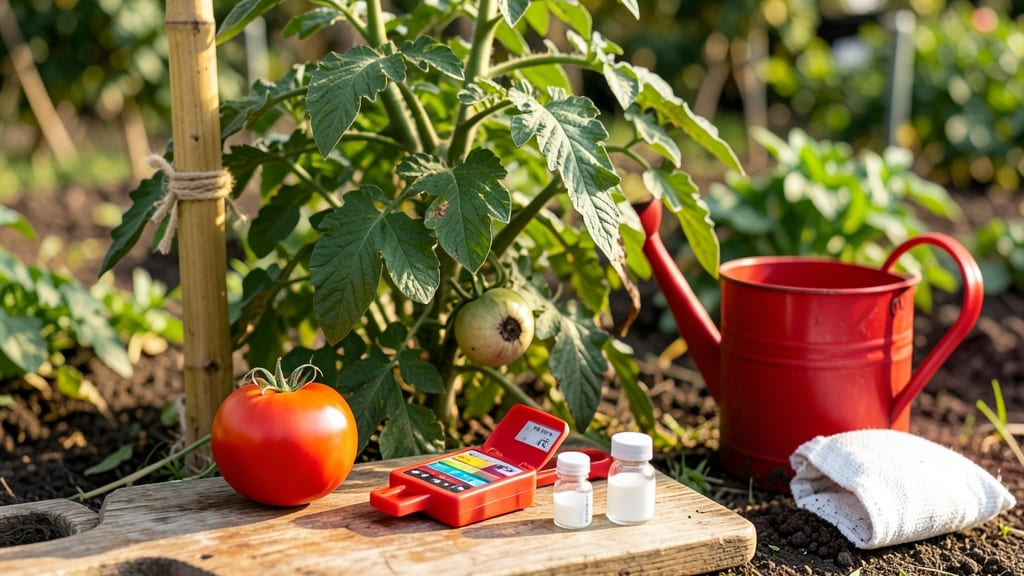
Your tomatoes are developing those ugly, sunken black spots at the blossom end—tomato blossom end rot is ruining your harvest before it even ripens. 🌱 I’ve saved dozens of tomato plants from this frustrating problem, and the fix is simpler than you think: it’s all about calcium, water consistency, and a few smart garden habits you can start today.
This isn’t just about throwing lime on your soil (though that helps). The real game-changer is even moisture—no droughts, no deep soaks—paired with a calcium boost.
My plants now produce perfect, blemish-free tomatoes every season, and you can too without fancy equipment. The key is understanding why this happens in the first place.
You’ll spot the problem early: dark, leathery patches starting at the fruit’s blossom end, often on just one side of the tomato. Left unchecked, it spreads and ruins the whole harvest.
But with the right soil mix and watering routine, you’ll stop it before it starts—and your tomatoes will look like they came straight from a grocery store display.
Works for container gardens, raised beds, or in-ground planting—no matter your setup, these fixes will give you consistent, high-quality tomatoes all season long. Let’s get those fruits looking flawless again.
Root Causes Behind Fruit Scarring
When your tomatoes develop those unsightly dark, sunken patches at the blossom end, it’s not just a matter of poor luck—it’s a cry for help from your plants.
Understanding the why behind this common issue is the first step to fixing it for good. Let’s break down the science and uncover the real culprits.
Calcium is the MVP of cell wall strength in tomatoes. When your plants can’t absorb enough calcium—even if the soil has plenty—your fruit’s cells weaken, leading to blossom end rot. Here’s why it happens:
- Rapid Growth Strain: Tomatoes grow fast, especially after flowering. If roots can’t keep up with the demand, calcium gets "starved out" and redirected to new leaves and stems instead of the fruit.
- Poor Water Uptake: Calcium moves through the plant via water. Inconsistent watering (like drought followed by a deep soak) disrupts this flow, leaving the blossom end vulnerable.
- Soil pH Imbalance: Tomatoes thrive in slightly acidic soil (pH 6.0–6.8). If your soil is too alkaline (high pH), calcium binds to other minerals and becomes unavailable to roots.
Pro Tip: 🌡️ Test your soil’s pH and calcium levels with a simple kit. If pH is off, amend with sulfur (to lower pH) or gypsum (to improve calcium availability).
Even with enough calcium in the soil, your plants might still suffer if their roots are struggling. Common root-related causes include:
- Compacted or Poor Soil: Dense or clay-heavy soil restricts root growth, limiting the plant’s ability to absorb nutrients and water efficiently.
- Inconsistent Watering: Fluctuating moisture levels (e.g., skipping watering during heatwaves) stress roots, cutting off calcium supply to developing fruit.
- Over-Fertilization with Nitrogen: Too much nitrogen promotes leafy growth but starves roots of other essential nutrients, including calcium.
Pro Tip: ✨ Loosen soil around plants with compost or organic matter to encourage deeper root growth. Mulch heavily to retain moisture and reduce temperature swings.
Tomatoes are sensitive to environmental extremes, and sudden changes can trigger blossom end rot. Key offenders:
- Extreme Heat: High temperatures (above 90°F/32°C) increase water evaporation, making it harder for roots to absorb calcium. The fruit’s cells then collapse under stress.
- Inconsistent Moisture: Drought stress followed by heavy watering creates a "feast or famine" scenario. Roots can’t keep up, and calcium transport stalls.
- Cold Snaps Early On: Chilly nights or early-season frosts damage roots, reducing their ability to uptake calcium when fruit sets.
Pro Tip: 💡 Use drip irrigation or soaker hoses to deliver water directly to the root zone, keeping soil consistently moist (1–2 inches deep) without wetting foliage.
Now that you know the why, the next step is actionable fixes—like adjusting watering habits, amending soil, or using calcium-rich supplements. Stay tuned for solutions tailored to your garden setup!
Fixing and Preventing Blossom End Rot
Now that you understand the root causes of blossom end rot, let’s tackle the solutions—both immediate fixes and long-term prevention strategies. The good news? Most of these fixes are simple, cost-effective, and require minimal effort. Let’s break it down by cause and action.
If your tomatoes are starving for calcium, the first step is to add calcium-rich amendments to your soil or growing medium. Here’s how:
- 🍳 Apply Calcium Supplements - Crushed eggshells: Rinse and bake eggshells at 200°F (93°C) for 10 minutes to kill bacteria, then grind into a fine powder.
Sprinkle 1–2 tablespoons per plant every 2–3 weeks. - Crushed oyster shell or bone meal: Work 1–2 cups into the soil per plant at planting time or as a side-dressing. - Calcium nitrate or gypsum: Mix 1–2 tablespoons into the soil around the base of the plant.
Gypsum (calcium sulfate) is especially great for clay soils.
- 💡 Pro Tip: Avoid overdoing it! Too much calcium can lock out other nutrients like magnesium or phosphorus. Stick to the recommended amounts.
Fluctuating water levels are a major trigger. Consistent moisture is key—here’s how to maintain it:
- 👨🍳 Water Deeply and Regularly
- Water deeply 1–2 times per week (depending on weather) rather than shallow daily sprinkles. Aim for 1–1.5 inches of water per week, including rainfall.
- Use drip irrigation or soaker hoses to deliver water directly to the roots, reducing evaporation and stress.
- 🌱 Mulch Like a Pro
- Spread 2–3 inches of organic mulch (straw, grass clippings, or wood chips) around plants (but not touching the stems). This keeps soil moist, cool, and stable.
- ⏰ Avoid Water Stress
- Let the top 1–2 inches of soil dry out slightly between waterings, but never let plants wilt. Blossom end rot thrives on inconsistency!
Temperature swings can disrupt calcium uptake. Shield your tomatoes from extremes:
- 🌡️ Provide Shade Cloth
- If temperatures exceed 90°F (32°C), use 30–50% shade cloth during peak afternoon sun to reduce stress.
- 🥗 Use Row Covers Early On
- In cooler climates, floating row covers can protect young plants from chilly nights, ensuring steady growth.
- 🎯 Time Your Planting
- Plant tomatoes after the last frost and when soil temps are at least 60°F (15°C). Avoid transplanting during heatwaves.
If your soil is too acidic or alkaline, calcium won’t be available to plants. Test your soil (kits are cheap and easy) and adjust:
- 📊 Ideal pH Range: 6.0–6.8 for tomatoes.
- 🔥 Fix Acidic Soil (pH < 6.0): Add lime (calcium carbonate) or wood ash.
- 🔥 Fix Alkaline Soil (pH > 6.8): Mix in sulfur or peat moss to lower pH.
Want to stop blossom end rot before it starts? Follow this 5-step prevention plan:
- 🌱 Start with Healthy Soil
- Amend soil with compost, aged manure, or worm castings before planting to improve calcium availability.
- 💧 Water Wisely
- Stick to a consistent watering schedule—never let soil dry out completely.
- 🍳 Feed with Calcium
- Use Epsom salt (magnesium sulfate) and calcium supplements (like eggshells) for balanced nutrition.
- 🌡️ Monitor Weather
- Protect plants from sudden heatwaves or cold snaps with shade or row covers.
- 👀 Inspect Regularly
- Check tomatoes every 2–3 days during fruiting season. Remove affected fruits to redirect energy to healthy growth.
Final Thought: Blossom end rot is 100% preventable with these simple steps. Once you master calcium balance and steady moisture, you’ll enjoy plump, rot-free tomatoes every harvest! 🍅✨
Frequently asked questions
Can I save tomatoes already showing blossom end rot?
Unfortunately, once the dark spots appear, the fruit is already damaged and won't recover. Remove affected tomatoes immediately to prevent the disease from spreading to healthy fruit. Focus on saving future tomatoes by adjusting your calcium and watering routines.
How often should I apply calcium supplements like eggshells?
Apply crushed eggshells or other calcium supplements every 2-3 weeks during the growing season. Start when flowers appear and continue until harvest. Mix 1-2 tablespoons into the soil around each plant to prevent calcium deficiency.
Will mulching really help prevent blossom end rot?
Mulching with 2-3 inches of organic material (like straw or wood chips) keeps soil moisture consistent and temperature stable—both critical for calcium uptake. It also prevents soil-borne diseases and reduces water evaporation, creating ideal growing conditions.
Can I use coffee grounds to fix blossom end rot?
Coffee grounds can actually make blossom end rot worse. While they add organic matter, they lower soil pH and may reduce calcium availability. Stick to calcium-rich amendments like eggshells or gypsum instead. If you want to use coffee grounds, compost them first and use sparingly.
What's the best time of day to water tomatoes?
Water tomatoes early in the morning (between 6-10 AM) to allow foliage to dry before evening. This prevents fungal diseases and ensures consistent moisture uptake. Avoid watering in the heat of the day, as evaporation can stress plants and disrupt calcium transport.