
Diseases
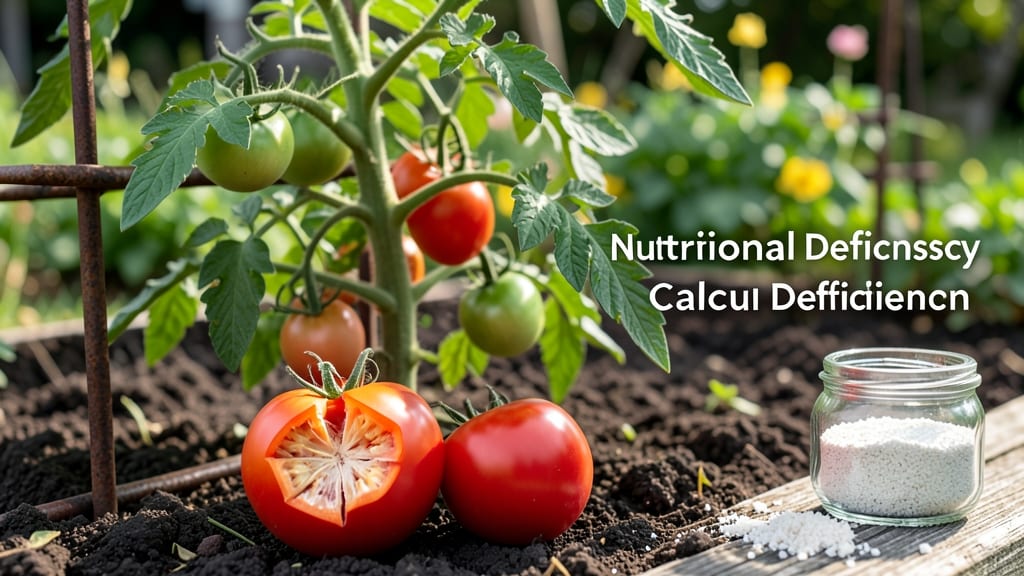
Tomato fruit cracking is almost always due to a deficiency of calcium—your plants are begging for help before the first split appears. 🌱 I’ve seen this happen to my heirloom tomatoes after heavy rains or inconsistent watering, and the fix is simpler than you’d think: it’s not just about adding calcium, but doing it the right way so your plants can actually use it.
The telltale signs are classic: shallow cracks on the blossom end of the fruit that look like spiderwebs or deeper splits that expose the jelly-like interior. This isn’t just a cosmetic issue—cracked tomatoes are prone to rot and pests, and the flavor suffers too.
The root cause? Calcium deficiency, often triggered by uneven watering, rapid growth spurts, or soil that’s too compacted to deliver nutrients properly.
Here’s the good news: you can prevent and fix this in just three steps—no fancy tools or expensive amendments needed. Start by ensuring consistent moisture (think 1-2 inches of water per week, never letting the soil dry out completely).
Then, boost calcium with crushed eggshells or a balanced fertilizer like 5-5-5. Finally, mulch heavily to keep roots cool and moisture steady.
This method works for backyard gardens, raised beds, and even container-grown tomatoes. Once you’ve got the watering routine down and calcium levels balanced, you’ll see fewer cracked fruits—and more juicy, intact tomatoes ready for slicing. Trust me, your future salads will thank you.
Root Causes Of Tomato Cracking
Tomato fruit cracking is a frustrating issue for gardeners and farmers alike, but understanding the why behind it is the first step to prevention. While many factors contribute, nutrient deficiencies—especially calcium—play a major role.
Below, we break down the key causes, backed by science, so you can take targeted action.
Calcium is the structural backbone of tomato cell walls, helping them maintain rigidity as the fruit expands. When soil calcium levels are low—or when plants can’t absorb enough—cell walls weaken, leading to cracks.
- Why it happens:
- Rapid growth (e.g., after heavy rain or sudden warmth) outpaces calcium uptake.
- Poor soil drainage or high soil pH (above 6.5) locks calcium out of root reach.
- Excessive nitrogen (common in fertilizers) promotes lush foliage but starves roots of calcium.
- Competition from other nutrients (like potassium or magnesium) can block calcium absorption.
💡 Pro Tip: Test your soil’s calcium-to-magnesium ratio—ideal is 4:1 or higher. If magnesium dominates, calcium gets crowded out.
Tomatoes are 90% water when ripe, and fluctuations in hydration create internal pressure that splits the skin.
- Why it happens:
- Drought followed by sudden watering causes cells to swell rapidly, overwhelming the fruit’s ability to expand evenly.
- Inconsistent irrigation (e.g., overhead sprinklers that wet leaves but not roots) leads to blossom-end rot (a classic calcium-deficiency symptom) and cracks.
- High humidity + poor air circulation = slower evaporation, trapping moisture and increasing pressure inside the fruit.
🌡️ Fix It: Use drip irrigation (not sprinklers) and maintain even soil moisture—never let tomatoes dry out completely.
Some tomato varieties are genetically prone to cracking, especially larger or irregularly shaped fruits.
- Why it happens:
- Thin-skinned varieties (like beefsteaks or heirlooms) crack more easily than thick-skinned types (e.g., Roma or cherry tomatoes).
- Overly large fruits develop faster than their skin can stretch, leading to splits.
- Uneven ripening (e.g., green shoulders on red tomatoes) creates weak spots where cracks start.
🎯 Solution: Choose crack-resistant varieties (e.g., ‘Mountain Merit’ or ‘Celebrity’) or prune excess fruit to reduce strain on the plant.
Extreme weather—hot days followed by cold nights, or sudden storms—disrupts tomato growth patterns.
- Why it happens:
- Temperature swings (e.g., 90°F days + 50°F nights) cause uneven cell expansion.
- Hail or heavy rain physically damages the fruit’s protective skin.
- Wind stress can bend stems, increasing pressure on developing tomatoes.
✨ Prevent It: Use shade cloth during heatwaves, mulch to regulate soil temps, and stake plants to prevent wind damage.
Beyond calcium, other deficiencies or excesses can weaken tomato structure.
- Why it happens:
- Too much potassium (common in banana peels or wood ash) blocks calcium uptake.
- Low boron (another essential nutrient) disrupts cell wall formation.
- High salt levels (from over-fertilization) stress roots, reducing nutrient absorption.
📊 Test Your Soil: A simple soil test kit can reveal imbalances—aim for:
- Calcium: 1,000–3,000 ppm
- Magnesium: 200–400 ppm
- Potassium: 100–200 ppm
If roots can’t access nutrients or oxygen, the whole plant suffers—including fruit integrity.
- Why it happens:
- Compacted soil restricts root growth, limiting calcium uptake.
- Fungal root rot (from overwatering) damages roots, reducing nutrient absorption.
- Shallow root systems (common in container-grown tomatoes) struggle to reach deep calcium deposits.
👨🍳 Fix It: Aerate soil with compost, avoid overwatering, and use mycorrhizal fungi to boost root health.
Tomato cracking is rarely caused by one factor—it’s usually a combination of nutrient deficiencies, water stress, and environmental pressures. The good news? Calcium deficiency is the most fixable with targeted amendments (like gypsum or crushed eggshells) and smart watering practices.
Next, we’ll show you 3 actionable steps to restore calcium balance and prevent future cracks. 🚀
Fixing Cracked Tomatoes Naturally
Now that you know why your tomatoes are splitting—likely due to calcium deficiency, uneven watering, or rapid growth—it’s time to take action! The good news? Most solutions are simple, cost-effective, and can be implemented right away.
Below, we’ve mapped out practical fixes based on the root cause, along with prevention tips to keep your tomato plants healthy and productive.
If your tomatoes are cracking due to low calcium, the key is to increase availability without overwhelming the plant. Here’s how:
1. 🌱 Apply Calcium-Rich Amendments (Soil & Foliar)
Calcium needs to be soluble for roots to absorb it.
Try these methods: - Epsom Salt Soak (Quick Fix) 💡 Mix 1 tablespoon of Epsom salt (magnesium sulfate + calcium) in 1 gallon of water and spray it directly on leaves and soil every 7–10 days.
This also boosts magnesium, which aids calcium uptake. - Crushed Eggshells (Slow Release) 🥚 Dry and crush eggshells into a fine powder, then sprinkle 1–2 tablespoons per plant around the base. Work it into the top 1–2 inches of soil.
Eggshells are 95% calcium carbonate, but they take 4–6 weeks to break down. - Lime or Gypsum (Soil Adjustment) 🌍 If your soil is too acidic (pH < 6.0), add pelletized lime (to raise pH) or gypsum (calcium sulfate) to improve calcium solubility.
Follow package rates—overdoing it can harm roots!
2. 💧 Water Wisely: Prevent Stress Cracking
Uneven watering is a top cause of tomato splitting. Follow these rules: - Drip Irrigation > Overhead Watering 💦 Use soaker hoses or drip lines to deliver water slowly and consistently at the base.
Avoid wetting leaves (prevents fungal diseases like blight). - Water in the Morning ⏰ Schedule watering between 6–9 AM to let foliage dry by evening.
This reduces sudden swelling from nighttime hydration. - Mulch to Retain Moisture 🌿 Apply 2–3 inches of straw or wood chips around plants (but not touching stems). This keeps soil evenly moist and reduces temperature swings.
3. 🍅 Slow Down Rapid Growth (For Heirloom Varieties)
Heirloom tomatoes grow fast and unevenly, leading to cracks. Try these tricks: - Prune Aggressively ✂️ Remove suckers (side shoots) and lower leaves to redirect energy to fruit development.
Aim for 1–2 main stems per plant. - Shade Cloth in Peak Sun ☀️ If temps hit 90°F+, drape 30–50% shade cloth over plants for 2–4 hours midday to slow growth. - Limit Nitrogen (Too Much = Soft Fruit) 🚫 Avoid high-nitrogen fertilizers (like blood meal).
Switch to a balanced 10-10-10 or low-nitrogen tomato-specific feed to prioritize calcium and potassium.
Once you’ve treated the problem, lock in success with these long-term strategies:
| Problem | Prevention Fix | How Often |
|---|---|---|
| Calcium Deficiency | Side-dress with crushed eggshells or gypsum every 4–6 weeks | Spring & Summer |
| Uneven Watering | Drip irrigation + mulch | Year-round setup |
| Rapid Growth | Prune suckers weekly + shade in heat | Every 7–10 days |
| Low Soil pH | Test soil annually; add lime if pH < 6.0 | Before planting season |
| Over-Fertilizing | Use slow-release fertilizer (like Osmocote) | Every 6–8 weeks |
- Foliar sprays (Epsom salt): 3–5 days (fastest for minor cracks).
- Eggshells/gypsum: 2–4 weeks (slower but long-lasting).
- Watering adjustments: Immediate (prevents new cracks in 1–2 days).
- Pruning/shading: 1–2 weeks (slows growth, reduces splitting).
If cracks are deep, oozing, or accompanied by:
- Yellowing leaves → Could be magnesium deficiency (try more Epsom salt).
- Black spots on fruit → Fungal disease (remove affected fruit, use copper spray).
- Stunted growth → Root rot (check for soggy soil, improve drainage).
Pro Tip: 🌱 Rotate crops every 3 years to prevent calcium depletion in the same soil. Tomatoes are heavy feeders—give them a fresh spot each season!
By combining calcium boosts, smart watering, and growth control, you’ll enjoy plump, crack-free tomatoes all season. Happy gardening! 🍅✨
Frequently asked questions
Can I use coffee grounds to fix tomato cracking?
Coffee grounds can actually worsen calcium deficiency over time because they lower soil pH, making calcium less available. Instead, use crushed eggshells or gypsum to safely boost calcium. If you love coffee grounds, mix them with lime to balance pH first.
How do I know if my tomatoes need calcium or just more water?
Check the cracks: Blossom-end rot (black, leathery spots) = calcium deficiency. Spiderweb cracks = uneven watering. First stabilize moisture with drip irrigation, then add calcium amendments like Epsom salt if needed.
Will cracked tomatoes still taste good?
Yes! While cracked tomatoes may look less appealing, they’re perfectly edible. The flavor isn’t affected—just remove the cracked areas before using. For best results, harvest fruits when they’re 75% ripe to reduce splitting risk.
Can I fix calcium deficiency in container-grown tomatoes?
Container tomatoes often crack due to shallow roots. Use a balanced fertilizer with calcium (like 5-5-5), add 1 tablespoon of gypsum per gallon of soil, and water consistently. Repot every 2 years to refresh nutrients.
Why do my cherry tomatoes crack less than my beefsteaks?
Cherry tomatoes have thicker skins and slower growth rates, making them naturally more crack-resistant. Beefsteaks grow faster and develop larger fruits that stretch the skin thin. Prune aggressively and use shade cloth to slow their growth.