
Pests
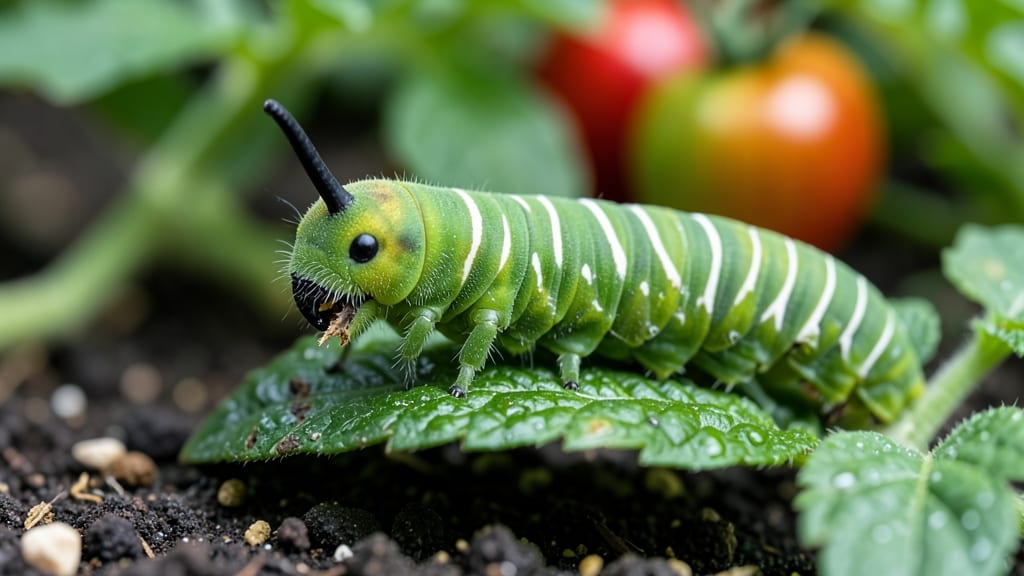
Those striped green tomato hornworm caterpillars can devour your tomato plants overnight—the sneaky villains of summer gardens. 🌿 I’ve watched them turn lush vines into skeleton leaves in just hours, and the good news is you can outsmart them without chemicals.
The key is acting fast when you spot them (yes, they hide well) and using nature’s own defenses to keep your plants thriving.
First, grab a pair of gloves and start searching—look under leaves and along stems where they camouflage. The moment you see one, drop it into soapy water (no need for harsh sprays). But here’s the trick: let nature help too.
Birds, wasps, and parasitic flies all hunt hornworms, so encourage them with diverse plantings and avoid over-spraying. Within a week, you’ll see your tomatoes rebound with fresh, undamaged foliage.
What you’ll end up with is a garden where your tomato plants stay healthy and productive all season. The damage repair is faster than you’d think—new leaves sprout in days, and the plants focus energy on fruit instead of recovery.
Plus, your neighbors might ask for your secret when their tomatoes get skeletonized.
This works for any garden size, from backyard plots to container tomatoes. The only real mistake? Waiting too long to check your plants—so make it a habit to scout every few days. Here’s how to keep them at bay without disrupting your garden’s balance.
📚 In This Guide
- What you need
- Instructions
- Tips and common mistakes
- Wrapping up and next steps
What you need
- ● Gloves (nitrile or rubber) – 1 pair (to protect your hands from prickly spines and sap).
- ● Pruning shears or sharp scissors – 1 pair (for clean cuts and quick removal).
- ● Bucket or container (5+ gallons) – 1 (for collecting caterpillars and eggs).
- ● Soapy water solution – Mix 1 tbsp mild dish soap (like Castile soap) with 1 gallon of water (for drowning caterpillars humanely).
- ○ Flashlight (optional but helpful) – 1 (for spotting caterpillars in low light or dense foliage).
- ○ Magnifying glass (optional) – 1 (to inspect leaves for tiny eggs or early-stage caterpillars).
- ● Neem oil (100% pure, cold-pressed) – 16 oz bottle (spray on leaves to deter egg-laying; mix 1 tbsp neem oil + 1 tsp mild soap + 1 quart water).
- ● Bacillus thuringiensis (Bt) spray (organic pesticide) – 16 oz bottle (targets caterpillars’ digestive systems; follow label instructions).
- ● Row covers (floating fabric) – 1-2 covers (for young tomato plants; 3-4 ft wide x 5-10 ft long, lightweight breathable fabric).
- ○ Beneficial nematodes (Steinernema carpocapsae) – 1-2 million per acre (optional but effective for soil-dwelling pupae; apply at dusk).
- ● Check local regulations – Ensure organic methods comply with your area’s pest control guidelines.
- ● Work during cool hours – Early morning or late evening (caterpillars are less active and plants are hydrated).
- ● Wear long sleeves/pants – To avoid skin irritation from tomato plant hairs.
Swift organic removal for healthy tomato plants
Here's how to handle tomato hornworms naturally and keep your plants thriving.
🌿 Step 1: Identify and Locate the Hornworms
Start by inspecting your tomato plants carefully, focusing on the undersides of leaves and stems where hornworms hide. These caterpillars can grow up to 5 inches long and have distinctive green bodies with white diagonal stripes and a horn-like tail. Look for chewed leaves or missing sections—this is a clear sign of their presence.
Check plants in the morning or evening when they're less active. Wear gloves if you're sensitive to their bristly hairs, which can cause skin irritation. I always carry a small container or bag to collect them immediately after finding them—delaying removal gives them more time to damage your plants.
✂️ Step 2: Remove Hornworms by Hand
Grab the hornworm firmly by its body, avoiding the head, and place it in a container filled with soapy water. This method ensures they won't escape or harm other plants. I like to use a small bucket or even a jar with a tight lid for this purpose. The soap kills them instantly and prevents any chance of them returning to your garden.
If you prefer not to use soap, you can also drop them into a bag and tie it shut before disposing of them in the trash. The key is to act quickly—hornworms can consume an entire leaf overnight, so don't wait until the damage is severe. I check my plants every 2-3 days during peak growing season to stay ahead of infestations.
🪴 Step 3: Introduce Natural Predators
Encourage beneficial insects like parasitic wasps and braconid wasps, which naturally control hornworm populations. These tiny wasps lay their eggs inside hornworm caterpillars, eventually killing them. To attract them, plant flowers like dill, fennel, and parsley nearby—they provide nectar for adult wasps and shelter for their larvae.
You can also release ladybugs or lacewings, which are voracious predators of hornworm eggs and young caterpillars. I've found that introducing these predators early in the season helps keep hornworm numbers low without resorting to chemical pesticides. Just be patient—it can take a few weeks for their populations to build up and start making a noticeable impact.
💧 Step 4: Maintain Plant Health to Deter Pests
Healthy tomato plants are less susceptible to hornworm damage. Ensure your plants receive 6-8 hours of sunlight daily and water deeply at the base of the plant in the morning. Avoid overhead watering, which can create damp conditions that attract pests and encourage fungal diseases.
Use a balanced, organic fertilizer to provide essential nutrients. I prefer a 5-5-5 or 10-10-10 ratio applied every 4-6 weeks during the growing season. Strong, vigorous plants are better equipped to withstand occasional hornworm attacks. Additionally, prune your plants to improve airflow and reduce hiding spots for pests.
🌱 Step 5: Monitor and Repeat as Needed
Keep a regular schedule of inspecting your tomato plants, especially during warm weather when hornworms are most active. I set a reminder on my phone to check my garden every 3-4 days during peak season. Early detection is key—catching hornworms before they cause significant damage makes removal much easier.
If you notice new hornworms after removal, don't panic. It's common for them to return, especially if their natural predators haven't established a strong presence yet. Stay consistent with your removal efforts and continue encouraging beneficial insects. Over time, your garden will develop a natural balance that keeps hornworm populations in check.
Tips & tricks for swift organic removal of tomato hornworms
Real talk: Even the most vigilant gardeners can find themselves battling tomato hornworms. Here's how to stay one step ahead.
Timing Secret: Those morning and evening inspections in Step 1 are your best defense. Hornworms are most active during the cooler parts of the day, making them easier to spot and remove before they cause significant damage. I've found that checking right after sunrise or just before sunset gives me the best chance of catching them before they've had a chance to munch on too many leaves.
Removal Technique: When you're ready to remove hornworms in Step 2, use a pair of tongs or a small stick to gently lift them off the plant. This helps avoid direct contact with their bristly hairs, which can irritate your skin. I keep a small jar of soapy water handy—it's quick, effective, and ensures those pests won't be coming back to your garden. If you're squeamish about using soap, a simple plastic bag works just as well.
Predator Strategy: The natural predators mentioned in Step 3 are your secret weapon for long-term control. Planting dill, fennel, and parsley near your tomato plants isn't just about aesthetics—it's about creating a habitat for the beneficial insects that will keep hornworm populations in check. I like to add a few extra flowers like marigolds or alyssum to my garden beds, as they also attract these helpful predators. Just remember, it takes time for these populations to build up, so start early in the season.
Plant Care: The 6-8 hours of sunlight your tomato plants need in Step 4 isn't just about helping them grow—it's about making them less appealing to pests. Healthy, well-lit plants are naturally more resilient. I've noticed that my tomato plants with the most sunlight tend to have fewer pest problems overall. Pair that with deep watering at the base (not overhead) to keep the leaves dry and reduce the risk of fungal issues that can stress your plants.
Pro Tips for Tomato Hornworm Caterpillar
- Real talk: Even the most vigilant gardeners can find themselves battling tomato hornworms.
- Timing Secret: Those morning and evening inspections in Step 1 are your best defense.
- Removal Technique: When you're ready to remove hornworms in Step 2, use a pair of tongs or a small stick to gently lift them off the plant.
Frequently asked questions
Got questions about tomato hornworms?
You’re not alone! These striped munchers can turn your garden into a buffet overnight. Here are answers to the most common concerns—so you can act fast and keep your plants thriving.
What do tomato hornworms look like, and how can I tell them apart from other caterpillars?
The tomato hornworm is easy to spot with its green body, white diagonal stripes, and a distinctive horn at its rear (hence the name!). Unlike other caterpillars, it’s usually 3–4 inches long and has a smooth, shiny skin. If you see one chomping on your tomato leaves, you’ve found the culprit!
How quickly can tomato hornworms destroy my plants?
These caterpillars are voracious—they can devour an entire tomato leaf (or even small tomatoes!) in just a few hours. A single hornworm can strip a plant bare in 2–3 days if left unchecked. Act fast if you spot them!
Are there natural predators that can help control tomato hornworms?
Yes! Parasitic wasps (like Cotesia congregata) lay eggs inside hornworms, eventually killing them. Ladybugs, lacewings, and birds also prey on them. To attract these helpers, plant dill, fennel, or marigolds nearby—they’re magnet for beneficial insects.
What’s the best organic way to remove tomato hornworms without harming my garden?
Handpick them early in the morning when they’re sluggish, then drop them in soapy water. For larger infestations, use neem oil or Bt (Bacillus thuringiensis), a bacteria-based spray that targets caterpillars safely. Avoid chemical pesticides—they’ll kill your helpful predators too!
Can tomato hornworms come back next year, and how do I prevent future infestations?
While adult moths don’t overwinter in most climates, they can return yearly. To prevent them, remove eggs and caterpillars promptly, use row covers early in the season, and practice crop rotation. Planting basil near tomatoes may also deter them!
Wrapping up and next steps
Dealing with tomato hornworm caterpillars doesn’t have to be a stressful battle—just a quick, eco-friendly task! With the right tools and techniques, you can protect your garden naturally while keeping those hungry caterpillars at bay. 🌱
Now that you’re armed with knowledge, take action today! Start by inspecting your tomato plants and applying your preferred organic removal method. Your garden—and future harvests—will thank you! Happy gardening! 🌿