
Plants
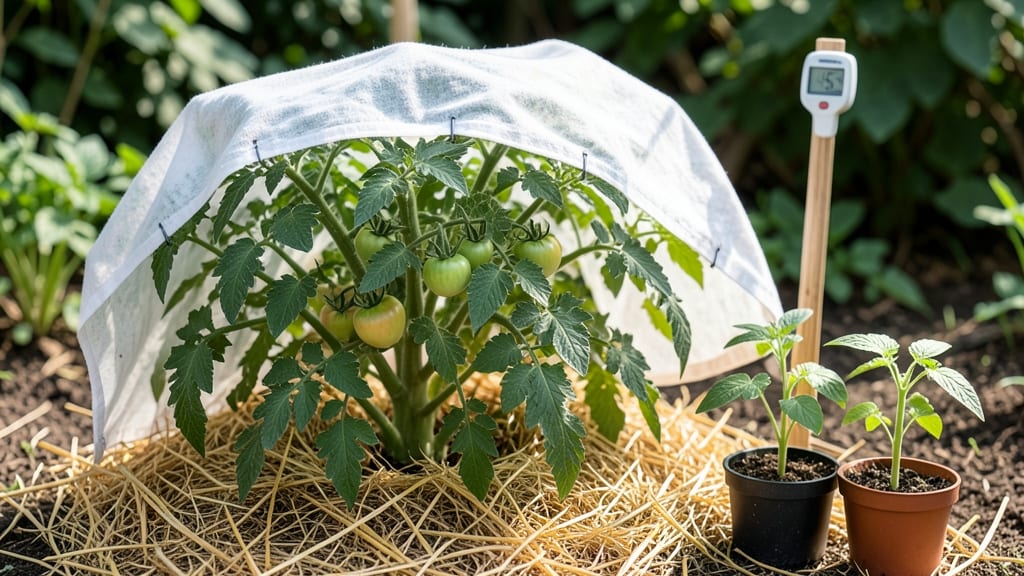
Understanding your tomato plant’s cold tolerance is the key to avoiding frost damage and still growing a bountiful harvest 🍅—even in cooler zones.
Cold snaps can devastate your tomato plants—but with the right knowledge, you can grow thriving tomatoes even in chilly climates. Whether you're in USDA Zone 6a or further north, selecting cold-hardy varieties and using simple protection methods makes all the difference.
Many gardeners assume tomatoes need perfect summer heat, but some varieties thrive in cooler temperatures with minimal fuss. The trick is knowing which ones to pick and how to shield them from unexpected dips below 50°F.
In this guide, I’ll walk you through the best cold-tolerant tomato varieties, step-by-step protection strategies, and how to adjust your planting schedule for a longer growing season—no matter where you live.

USDA Zone guide: best cold-tolerant tomato varieties by climate
Growing tomatoes in colder climates doesn't have to be a gamble. With the right cold-tolerant varieties, you can enjoy fresh tomatoes even in USDA Zones 3-8.
These hardy plants withstand light frosts and cooler temperatures better than traditional varieties, making them perfect for early spring or late fall planting. The key is choosing varieties with high frost resistance and understanding their optimal growing zones.
Cold-hardy tomatoes thrive when planted in warmer microclimates or protected from late frosts. Some varieties can even survive brief dips to 28°F (-2°C), while others need protection at 32°F (0°C).
Whether you're in Zone 3's harsh winters or Zone 8's mild frosts, these varieties will extend your growing season and boost your harvest.
Cold tolerance in tomatoes depends on both genetics and growing conditions. Heirloom varieties like 'Stupice' and 'Siberian' have been bred for resilience, while modern hybrids like 'Mountain Merit' offer disease resistance plus cold hardiness. Pair these with proper planting techniques, and you'll maximize your chances of success in cooler climates.
Top Cold-Tolerant Tomato Varieties by USDA Zone
| Variety | USDA Zones | Frost Tolerance | Days to Maturity | Best For |
|---|---|---|---|---|
| Stupice | 3-8 | 28°F (-2°C) | 70-85 days | Early harvests, cold snaps |
| Siberian | 3-7 | 30°F (-1°C) | 60-70 days | Short seasons, containers |
| Mountain Merit | 4-8 | 32°F (0°C) | 65-75 days | Disease resistance, high yields |
| Core Black | 5-8 | 32°F (0°C) | 70-80 days | Heirloom flavor, late season |
| Glacier | 3-6 | 28°F (-2°C) | 60-70 days | Early starts, cold frames |
| Defiant PhR | 4-8 | 30°F (-1°C) | 70-80 days | Late blight resistance |
For USDA Zones 3-4, focus on varieties like Stupice and Glacier, which can handle sub-freezing temperatures with proper protection. These are ideal for gardeners in Alaska, northern Canada, or the Upper Midwest. Plant them in warm microclimates like south-facing slopes or near buildings to trap heat.
In Zones 5-6, you can expand your options to include Mountain Merit and Defiant PhR. These varieties offer better disease resistance while still tolerating light frosts.
Plant them 2-3 weeks after your last frost date for optimal growth. Use black plastic mulch to warm the soil faster and extend the season.
Gardeners in Zones 7-8
How to protect tomato plants from cold weather without killing them
Cold weather can turn your tomato plants into a sad, wilted mess—but don't panic! With the right strategies, you can shield your plants from frost and extend their growing season. Even in chilly climates, you can still enjoy a bountiful harvest with these practical cold protection techniques.
The key is acting quickly and using the right tools to create a microclimate that keeps your tomatoes thriving.
Tomatoes are warm-weather plants, but some varieties and methods can help them survive light frosts. Understanding your local frost dates and using protective measures like mulching or row covers can make all the difference.
For example, in USDA Zone 5, where frost can linger until May, early varieties and cold-hardy techniques are essential. Let’s explore the best ways to keep your plants safe without sacrificing their health.
- 1 Use row covers for light frosts (down to 28°F/-2°C). Secure with bricks or stakes to prevent wind damage.
- 2 Mulch heavily with straw or leaves (4-6 inches) to insulate roots. This raises soil temperature by 5-10°F.
- 3 Move containers indoors during cold snaps. Place near a sunny window or under grow lights for 10+ hours of light.
- 4 Use cloches or cold frames for hard freezes (below 28°F/-2°C). These create a greenhouse effect and protect young plants.
- 5 Plant in containers for easy relocation. Pots can be moved to sheltered spots or garages during extreme cold.
For emergency cold snaps, act fast! If temperatures drop below 32°F/0°C, cover plants with blankets or burlap to trap heat. Remove covers during the day to prevent overheating.
In USDA Zones 3-4, consider starting tomatoes indoors and transplanting after the last frost. This gives them a head start and increases their resilience to early-season chills.
Long-term solutions include choosing cold-tolerant varieties like 'Stupice' or 'Siberian.' These varieties can handle cooler temperatures and even produce fruit in USDA Zone 4 with proper protection. Pair this with black plastic mulch, which warms the soil faster than traditional mulches.
For container gardeners, use heat-retaining fabric pots to protect roots from temperature swings.
Don’t forget to monitor your plants for signs of cold stress, like purple stems or yellowing leaves. These are early warnings that your tomatoes are struggling. Adjust your protection methods immediately to prevent permanent damage. With these strategies, you can enjoy tomatoes even in cooler climates—no frostbite required!