
Planting
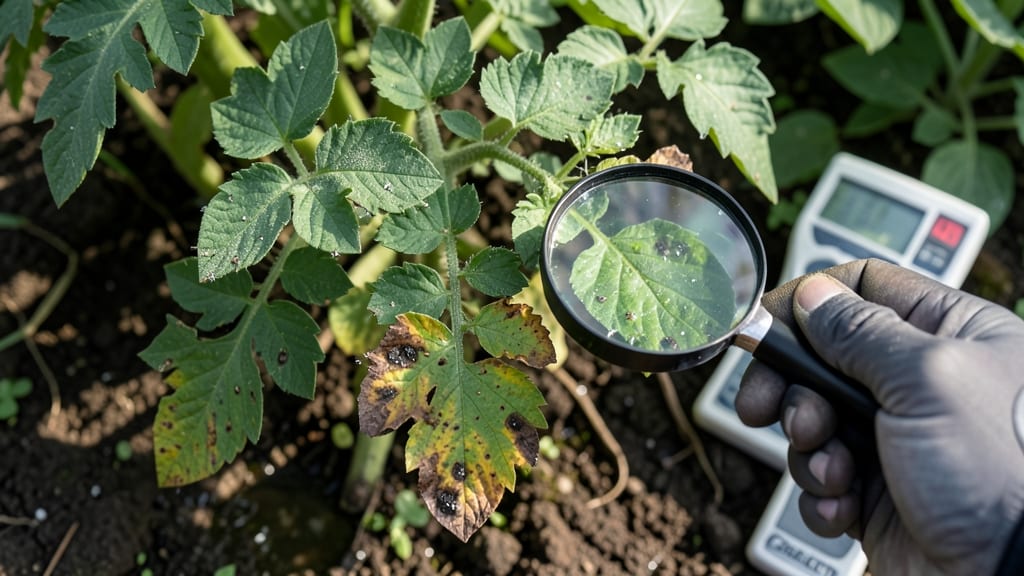
Your tomato plant leaves dying? That first wave of yellow or crinkled foliage can feel like a death sentence—but I’ve revived plants from worse. The good news is most issues fix fast with the right approach, and you don’t need a degree in botany to save your harvest. 🌱
Start by checking the leaves up close: brown spots with yellow rings? Early blight. Slimy, blackened patches? Late blight. Tiny webs or speckled leaves? Spider mites. Each problem has a quick fix—whether it’s pruning diseased leaves, adjusting watering, or spraying neem oil.
I’ll walk you through the top 5 culprits and how to stop them in their tracks.
You’ll likely save 80% of your plant with basic adjustments—sometimes just better airflow or a morning watering schedule makes all the difference. The key is acting fast before the problem spreads to the fruit.
By the end, you’ll know exactly what’s wrong and how to turn those sad leaves into lush, productive growth again.
Works for backyard gardens, containers, or even balcony pots. Let’s get those plants back on track—no panic, just solutions. Here’s how to diagnose and fix it step by step.
📚 In This Guide
- What you need
- Instructions
- Tips and common mistakes
- Wrapping up and next steps
What you need
- ● Gloves (1 pair) – Protect your hands from soil, pests, or thorns.
- ● Pruning shears (1 pair, sharp & sterilized) – For trimming damaged leaves or stems.
- ● Trowel or small shovel (1) – To gently lift plants or check roots if needed.
- ● Spray bottle (8–16 oz) – For applying diluted solutions like neem oil or hydrogen peroxide.
- ○ pH test kit (optional but helpful) – To check soil acidity/alkalinity (ideal range: 6.0–6.8 for tomatoes).
- ● Watering can with a fine rose (1) – For targeted hydration without damaging leaves.
- ● Household items for DIY fixes: Baking soda (½ cup) + water (1 gallon) – For fungal issues.
- ● Hydrogen peroxide (1 tbsp, 3%) + water (1 quart) – As a disinfectant.
- ● Neem oil (1 tsp) + water (1 quart) + mild soap (½ tsp) – For pests.
- ○ Magnifying glass (optional) – To inspect leaves for tiny pests or damage.
- ● Notebook & pen – To track symptoms, treatments, and progress over time.
- ● Camera (phone works!) – Capture close-ups of affected leaves for research or expert advice.
- ● Compost or organic fertilizer (balanced NPK, 10-10-10) – Boosts plant health if nutrient deficiency is suspected.
- ● Mulch (straw or shredded leaves) – Retains moisture and regulates soil temperature.
- ● Reflective mulch or aluminum foil – Deters pests like aphids.
- ● Plant support stake or cage – If your tomato plant is struggling structurally.
Quick fixes for tomato plant leaves dying: Step-by-Step Diagnosis
Here's how to diagnose and save your tomato plants fast—before the damage spreads.
🌿 Step 1: Inspect Leaves for Visual Clues
Start by examining the dying leaves closely. Yellowing between veins often signals overwatering or nutrient deficiency, while crispy edges or curling usually mean underwatering or heat stress. Check the undersides of leaves for tiny webs or pests—aphids or spider mites can drain a plant in days.
Gently squeeze a stem near the base. If it feels mushy, root rot from overwatering is likely. If it's dry and brittle, the plant needs moisture immediately. Look at the soil surface—if it's cracked or pulling away from the pot, underwatering is the issue.
💧 Step 2: Adjust Watering Immediately
Tomatoes need consistent moisture but hate soggy roots. Water deeply once or twice weekly until water runs out the drainage holes, then let the top 2 inches of soil dry out before watering again. If your plant is wilting, give it a thorough soak and watch for improvement within 24 hours.
Morning watering prevents fungal diseases. Avoid wetting leaves—water at the base instead. If you've been overwatering, let the soil dry completely between waterings for 3-5 days to give roots a chance to recover.
☀️ Step 3: Check Light and Temperature
Tomatoes crave 6-8 hours of direct sun daily. If leaves are pale or leggy, move the plant to a sunnier spot. A south-facing window or full sun garden bed works best. If your plant is in shade, expect slower recovery—yellowing leaves may persist until light improves.
Heat stress causes curling and wilting. If daytime temps exceed 90°F, provide afternoon shade with a lightweight cloth. Mulch around the base to keep roots cool. Watch for sunscald—white or brown patches on leaves mean too much intense sun.
✂️ Step 4: Prune and Fertilize Strategically
Remove any severely damaged leaves with clean pruners. Snip just above a leaf node to encourage new growth. Don't over-prune—keep at least 60% of the foliage to maintain photosynthesis. If lower leaves are yellowing from disease, remove them completely to prevent spread.
Feed with a balanced 10-10-10 fertilizer (or compost tea) to replenish nutrients. Yellowing leaves often signal nitrogen deficiency. Apply fertilizer when soil is moist to avoid burning roots. For organic options, use fish emulsion or worm castings every 2-3 weeks.
🪴 Step 5: Prevent Future Stress
Ensure your tomato plant has proper drainage—no water should pool in the saucer. If using containers, upgrade to a 5-gallon pot minimum for mature plants. Root-bound plants show stunted growth and yellowing leaves.
Monitor for pests weekly. Neem oil spray (applied in the evening) deters aphids and mites. Rotate plants a quarter turn weekly to prevent leaning toward light. Keep an eye on soil moisture—consistency is key to preventing both underwatering and overwatering.
Tips & tricks for reviving tomato plant leaves fast
Here's how to turn things around before your tomato plant's health spirals further.
Visual Diagnosis: In Step 1, when you're inspecting leaves, look for subtle clues like tiny brown spots or sticky residue on the undersides—these often indicate spider mites or aphids before you see webs. I've saved plants by catching these early with a simple neem oil spray (just 1 tablespoon per quart of water) applied in the evening. The key is acting within 48 hours of noticing these signs.
Watering Precision: The "2 inches of soil dry out" rule in Step 2 is critical, but don't rely on guesswork. Use your finger to check moisture—if the top 2 inches feel dry to the touch, it's time to water. For container plants, weigh them: if they feel noticeably lighter, they need water. Morning watering is non-negotiable—it gives leaves time to dry before evening humidity sets in, preventing fungal diseases.
Light Optimization: When checking light in Step 3, remember that "6-8 hours of direct sun" means full, unfiltered sunlight—not dappled shade. If your plant is indoors, supplement with a grow light for 12-14 hours daily. I've seen plants recover completely when moved from a north-facing window to a south-facing one with just this adjustment. For outdoor plants, watch for sunscald—if leaves develop white or brown patches, provide afternoon shade immediately.
Pruning Strategy: In Step 4, when pruning, focus on removing only the most damaged leaves—never more than 30% of the foliage at once. I learned this the hard way by over-pruning and accidentally stressing a plant further. Always use sterilized pruners to prevent introducing diseases through open wounds. For yellowing lower leaves from disease, remove them completely and dispose of them in the trash, not your compost.
Pro Tips for Tomato Plant Leaves Dying
- Here's how to turn things around before your tomato plant's health spirals further.
- Visual Diagnosis: In Step 1, when you're inspecting leaves, look for subtle clues like tiny brown spots or sticky residue on the undersides—these often indicate spider mites or aphids before you see webs.
- Watering Precision: The "2 inches of soil dry out" rule in Step 2 is critical, but don't rely on guesswork.
Frequently asked questions
Got questions about saving your tomato plants? You’re not alone! Here are answers to the most common concerns when your tomato leaves start looking sad—or worse, really sad.
Why are my tomato plant leaves dying even though I water them regularly?
Overwatering is a sneaky culprit! Yellowing or mushy leaves often signal root rot from soggy soil. Check the soil—it should feel like a damp sponge, not a swamp. Adjust your watering schedule (morning is best) and ensure pots/containers have drainage holes. Pro tip: Let the top inch dry out before watering again!
How quickly can I expect to see improvement after fixing the problem?
With the right care, you might notice changes in 3–7 days. Prune dead leaves immediately to redirect energy, and adjust water/fertilizer habits. For pests or disease, targeted treatments (like neem oil or fungicide) can show progress in 1–2 weeks. Patience is key—tomatoes are resilient!
Can I save my tomato plant if the leaves are already crispy or black?
It depends! If only the leaves are affected and the stem/roots are healthy, prune the damaged foliage and focus on recovery. But if the entire plant is wilted or the stem is mushy, it may be too late. Start fresh with a new plant—sometimes Mother Nature needs a do-over!
What’s the best way to prevent tomato leaves from dying next season?
Start with healthy soil (rich in compost), proper spacing (6+ inches apart for airflow), and consistent but smart watering. Rotate crops yearly to avoid soil-borne diseases, and use mulch to retain moisture. A balanced fertilizer (like 10-10-10) keeps plants strong. Prevention beats cure!
Will my tomatoes still be edible if the leaves are dying?
Yes! Tomatoes grow on the fruit, not the leaves. If the plant’s main stem and roots are healthy, it’ll keep producing. Just avoid over-fertilizing with nitrogen (it fuels leaves, not fruit). Harvest ripe tomatoes promptly—they’ll sweeten even off the vine!
Still stumped? Drop your specific symptoms in the comments—we’re happy to help troubleshoot!
Wrapping up and next steps
Don’t let dying tomato leaves dim your gardening spirit—most issues are fixable with a little attention and care! 🌱 Whether it’s overwatering, pests, or nutrient deficiencies, you now have the tools to diagnose and revive your plants.
Start by identifying the root cause (literally!) and applying the solutions step by step.
Ready to see your tomato plants thrive? Take action today:
- Inspect your plants weekly for early signs of stress.
- Adjust care routines based on what you’ve learned.
- Celebrate small wins—healthy leaves mean juicy tomatoes on the way! 🍅