
Planting
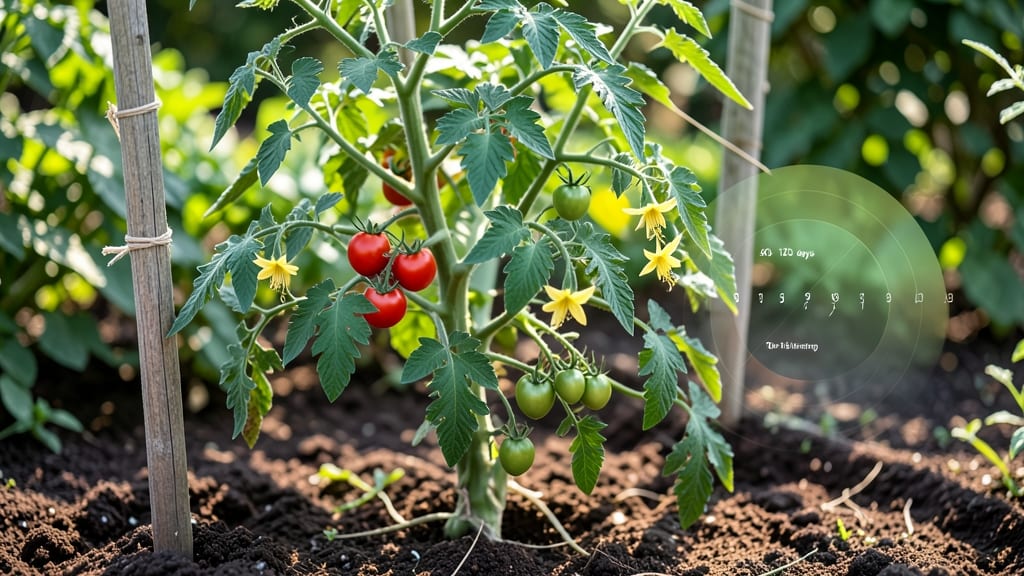
Tomato plant lifespan varies widely depending on variety and growing conditions, but most plants reach maturity in 90 to 120 days from seed. Determinate tomatoes complete their cycle in just 60-75 days, while indeterminate types can produce fruit for months if properly maintained. Environmental factors like temperature, pests, and sunlight exposure significantly influence how long your plants will stay productive.
Understanding your tomato plants' growth cycle helps you plan better for harvests and garden layouts. 🌱 Determinate varieties, which grow to a fixed size, are perfect for container gardening or small spaces—they focus all their energy on producing fruit quickly, making them ideal for short growing seasons.
Indeterminate types, on the other hand, keep growing and producing fruit until frost, but they require more support and maintenance.
The key to maximizing your plants' lifespan is providing consistent care: regular watering, proper fertilization, and protection from pests and diseases can extend their productivity well beyond the typical 90-day mark.
For gardeners in cooler climates, choosing early-maturing varieties or using season extenders can make a big difference. 🌿 Some heirloom tomatoes, like 'Brandywine,' are known for their long fruiting seasons when given ideal conditions, while hybrid varieties often prioritize speed over duration.
If you're planning to grow tomatoes year-round in a greenhouse or warm climate, indeterminate types will reward you with continuous harvests if you stay on top of pruning and training.
💡 In This Article
- Tomato Growth Stages: From Seed to Fruit
- Choosing Tomato Varieties for Your Climate and Goals
Tomato growth stages: from seed to fruit
The tomato plant's journey from seed to fruit is a carefully timed biological process that unfolds in four distinct stages, each with unique environmental requirements. First comes germination, which typically occurs within 5-10 days at soil temperatures between 70-85°F.
During this phase, the seed absorbs moisture and swells as enzymes break down stored nutrients, triggering root emergence.
What most gardeners don't realize is that cooler soil temperatures (60°F) can delay germination by up to 2-3 weeks, while excessive heat (>90°F) may cause seeds to rot before sprouting.
Next is the vegetative stage, where the plant focuses on leaf and stem growth to build energy reserves. This phase lasts 30-45 days and demands 6-8 hours of sunlight daily along with consistent moisture—drought stress here can stunt growth permanently.
The plant's roots develop a symbiotic relationship with mycorrhizal fungi in the soil, which enhances nutrient uptake, particularly phosphorus. This stage is where proper spacing becomes critical: crowded plants compete for resources, leading to weaker stems and increased susceptibility to diseases like early blight.
The flowering stage marks the transition to fruit production and is highly sensitive to temperature fluctuations. Tomatoes require daytime temps of 70-85°F and cooler nights (55-65°F) for optimal pollination.
Below 55°F, flowers may drop off, a phenomenon called "blossom drop," while temperatures above 90°F can cause poor fruit set. Hand-pollination with a small brush helps in greenhouses or cloudy conditions, as tomato flowers are self-pollinating but rely on vibration from bees or wind.
Finally, the fruiting stage determines how long your plants remain productive. Determinate varieties complete this phase in 45-60 days after flowering, producing a single flush of fruit before declining. Indeterminate types, however, continue flowering and fruiting indefinitely until frost damage occurs.
Here, pruning plays a crucial role: removing suckers (side shoots) redirects energy to fruit production, while excessive pruning can stress the plant. The key is balance—too much pruning reduces yield, while too little leads to crowded foliage that blocks sunlight and promotes disease.
Common bottlenecks like blossom-end rot (caused by calcium deficiency) or powdery mildew (from high humidity) can truncate a plant's lifespan by 20-30% if unchecked.
Maintaining consistent soil moisture and mulching helps prevent these issues. 🌱 For example, 'Early Girl' hybrids mature in just 55-60 days because their genetic makeup prioritizes rapid fruit set over prolonged growth, making them ideal for short seasons.
Understanding these stages helps you anticipate your plants' needs at each phase. For instance, adding a balanced fertilizer (10-10-10) during vegetative growth boosts leaf production, while switching to a phosphorus-heavy formula (5-10-10) during flowering enhances fruit development.
The interplay between genetics, environment, and care determines whether your tomatoes reach their full potential lifespan—or fall short due to avoidable stressors.