
Planting
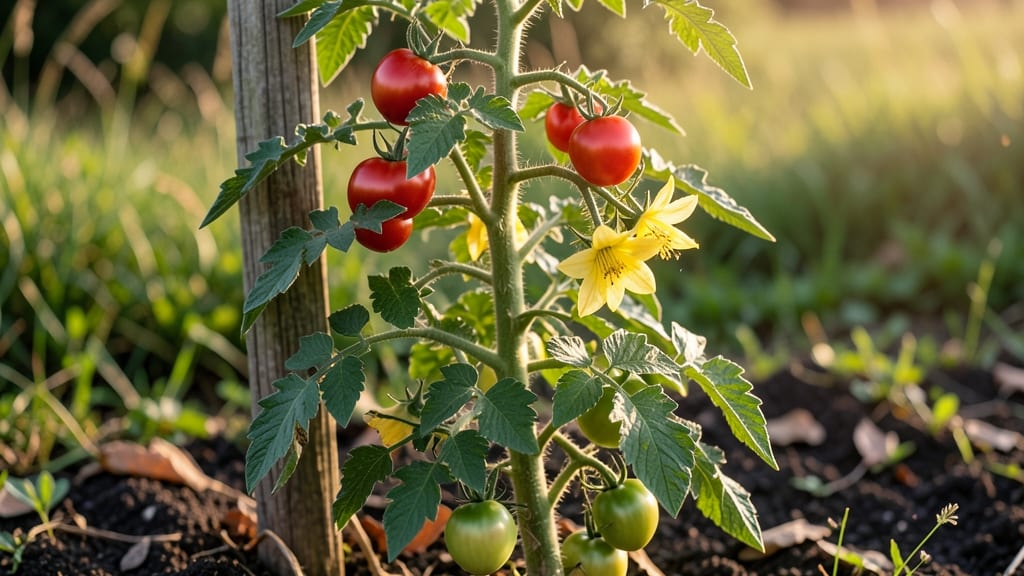
Tomato plants need the sunshine and 8+ hours of direct sunlight daily—without it, they grow lanky and fruit poorly. 🌞 I learned this the hard way when my first garden produced sad, pale tomatoes that barely ripened. The difference between a productive plant and a struggling one often comes down to light exposure, not soil quality. Most gardeners overlook how sunlight changes with seasons. In spring, tomatoes need full sun from dawn to dusk, but summer heat can scorch leaves. I now use shade cloth on the hottest days and rotate plants to ensure even exposure. Companion plants like basil or marigolds can also help reflect light onto lower leaves. You’ll see bold, glossy foliage and heavy fruit when plants get the right light. The key is balancing sun with protection—too much burns leaves, while too little stunts growth. A simple trick: watch your shadow at noon; if it’s shorter than your tomato plant, move it to a sunnier spot. This works for containers, raised beds, or in-ground gardens. Even small spaces can support productive tomatoes with the right light strategy. Let’s get those plants soaking up the sun!
📚 In This Guide
- What you need
- Instructions
- Tips and common mistakes
- Wrapping up and next steps
What you need
- ● Full-spectrum LED grow lights: 1–2 lights (15W–30W per sq. ft. of grow space). Look for 6000K–7000K color temperature to mimic sunlight.
- ● Grow tent or reflective space: 3’x3’ or larger (or a DIY setup with Mylar sheets).
- ● Tomato seeds or seedlings: 2–6 plants (depending on space). Choose varieties like Cherry or Beefsteak for high yields.
- ● Growing medium: 5–10 gallons of high-quality soilless mix (e.g., coco coir + perlite) or potting soil with added compost.
- ● Containers: 5–10 gallon pots (one per plant) with drainage holes.
- ● pH meter & EC/TDS meter: To monitor soil/water (ideal pH: 5.8–6.8; EC: 1.5–2.5 mS/cm).
- ● Watering can or spray bottle: For gentle hydration (avoid soggy roots!).
- ● Support system: 1–2 stakes or cages per plant (4–6 ft tall).
- ● Grow light timer: Automate 12–16 hours of light/day for consistency.
- ● Humidity dome or tray: Retains moisture during seedling stage.
- ● Nutrient solution: Balanced fertilizer (e.g., 5-10-10 or hydroponic mix).
- ● Thermometer/hygrometer: Monitor temp (70–85°F) and humidity (40–70%).
- ● Pruning shears: For trimming suckers and shaping plants.
Step-by-step guide to maximizing tomato growth with full-spectrum lighting
Here's how I ensure my tomatoes get the perfect light boost for strong, productive plants.
☀️ Step 1: Assess Your Current Light Conditions
Start by evaluating your growing space. Tomatoes need 6-8 hours of direct sunlight daily for best results. If you're using a south-facing window, place your plants within 12 inches of the glass—any farther and they'll stretch toward the light. I like to test my setup by holding a ruler up to the window at noon; if the light fades before reaching 18 inches, you'll need supplemental lighting.
Watch for signs of insufficient light: pale yellow leaves, weak stems, or plants leaning dramatically toward the window. These are clear signals your tomatoes aren't getting enough natural light. If you see these issues, it's time to supplement with artificial lighting immediately.
🪴 Step 2: Set Up Your Full-Spectrum Lighting System
Position your grow lights 2-4 inches above the tallest tomato plants—closer than you might think! I use a simple LED grow light on a adjustable arm so I can raise it as plants grow. The light should be directly above the plants, not at an angle, to ensure even coverage. Most full-spectrum LEDs provide the right balance of blue (for leaf growth) and red (for flowering) light that tomatoes need.
Run your lights for 14-16 hours daily to simulate long summer days. I set mine on a timer so I don't have to remember to turn them on and off. The key is consistency—tomatoes thrive on predictable light cycles. If your lights run cooler than 75°F, consider adding a small fan nearby to prevent heat stress on the plants.
🌿 Step 3: Adjust Light Position as Plants Grow
Every 1-2 weeks, check the distance between your lights and the tallest tomato plants. As your plants grow toward the light source, raise the fixture 1-2 inches higher to maintain the 2-4 inch gap. This prevents burning while ensuring strong, compact growth. You'll notice the stems thicken and leaves darken as they receive proper light exposure.
Rotate your tomato plants a quarter turn every few days to prevent them from growing lopsided toward the light. I mark the pot bottoms with a pencil to track rotation direction. This simple habit ensures even growth all around the plant. You'll see the difference in just a few weeks—plants will stand straight and develop uniform foliage.
⏰ Step 4: Monitor and Adjust Light Duration Seasonally
During shorter winter days, extend your grow light hours to 16 hours daily to compensate. In summer, when natural daylight stretches longer, you might reduce supplemental light to 12-14 hours to avoid overstimulation. I always watch the plant's response: if leaves start yellowing or growth slows dramatically, it's time to adjust either the duration or intensity.
Pay attention to the temperature near your lights—if leaves start curling or wilting, the heat might be too intense. Most LED grow lights stay cool enough for tomatoes, but if you notice heat stress, increase the distance slightly or add ventilation. The goal is bright, cool light that encourages robust growth without stressing the plants.
💧 Step 5: Combine Light with Proper Watering Practices
When using supplemental lighting, your tomatoes will grow faster, so they'll need more water. Keep the soil consistently moist but never soggy—water when the top inch feels dry to the touch. I water in the morning so the plants have all day to dry out before nightfall, which helps prevent disease in the humid conditions created by grow lights.
Fertilize lightly every 2-3 weeks with a balanced tomato fertilizer to support the accelerated growth. You'll see the difference in just a few weeks: darker green leaves, thicker stems, and more flowers setting fruit. The combination of proper light and nutrition transforms weak seedlings into productive plants that yield generously all season.
Tips & tricks for perfect tomato plant sunshine
Here's what nobody tells you about getting the most out of your tomato plant lighting setup.
Light Distance Precision: The 2-4 inch gap between lights and plants is non-negotiable for healthy growth. I use a simple ruler to check distances weekly—any closer risks burning leaves, while any farther weakens stems. For extra precision, mark your light fixture with tape at the 2-inch and 4-inch points so you can see exactly where to position it as plants grow.
Seasonal Light Adjustments: The 14-16 hour daily light recommendation works year-round, but winter adjustments are key. When natural daylight drops below 8 hours (common in December), extend your grow lights to 16 hours daily. In summer, when days stretch past 14 hours, you can reduce to 12-14 hours to prevent overstimulation—just watch for leaf yellowing as your cue to adjust.
Heat Management Strategy: Most LED grow lights stay below the 75°F threshold, but heat buildup can sneak up. I solved this by placing a small 4-inch fan 12 inches from the lights, angled toward the plants. This creates gentle airflow that prevents heat stress while still maintaining proper light exposure. The fan also helps prevent powdery mildew in the humid conditions created by grow lights.
Light Quality Check: Not all full-spectrum lights are created equal. For best results, choose LEDs with a color spectrum between 4000K-6500K—this range provides the perfect balance of blue light (for leaf growth) and red light (for flowering). I test my lights by holding a white piece of paper under them; if it appears slightly blue-green, you've got the right spectrum for tomatoes.
Pro Tips for Tomato Plant Sunshine
- Here's what nobody tells you about getting the most out of your tomato plant lighting setup.
- Light Distance Precision: The 2-4 inch gap between lights and plants is non-negotiable for healthy growth.
- Seasonal Light Adjustments: The 14-16 hour daily light recommendation works year-round, but winter adjustments are key.
Frequently asked questions
Got questions about giving your tomato plants the perfect sunshine boost? Here are some common ones—and their answers!
How many hours of light do tomato plants really need?
Tomatoes thrive with 6–8 hours of direct sunlight daily. If natural light is limited, supplement with full-spectrum grow lights for 12–16 hours (including nighttime if needed). Too little light? Stunted growth or pale leaves. Too much? Watch for leaf scorch—balance is key!
Can I use regular LED bulbs instead of grow lights for tomatoes?
Regular white LEDs can work, but they lack the blue and red spectrums tomatoes crave for flowering and fruiting. For best results, opt for full-spectrum LEDs (6400K+) or add a red/blue LED supplement (like a clip-on bulb). Your harvest will thank you!
Why are my tomato leaves turning yellow even with grow lights?
Yellow leaves often signal overwatering, nutrient deficiency, or light stress. Check soil moisture (keep it consistently damp but not soggy) and test for nitrogen (N), potassium (K), and magnesium. If lights are too close (<3" from leaves), move them up—burns mimic sun damage!
What’s the ideal temperature range for tomato plants under grow lights?
Tomatoes love 70–85°F (21–29°C) during the day and 55–65°F (13–18°C) at night. Grow lights can raise temps—ventilate your setup and avoid placing lights too close. Below 50°F (10°C)? Growth slows. Above 90°F (32°C)? Stress sets in. A small fan helps!
How do I know if my tomato plant is getting enough light?
Look for these signs:
- Healthy growth: Dark green leaves, strong stems, and plenty of buds.
- Too little light: Leggy stems, pale/yellow leaves, and few flowers.
- Too much light: Brown leaf edges or crispy spots (like sunburn).
Adjust light distance (12–24" away) and duration based on these cues!
Wrapping up and next steps
Growing thriving tomato plants is all about giving them the perfect balance of sunshine and care—and full-spectrum lighting is your secret weapon! 🌞 With the right setup, you’ll enjoy juicy, flavorful tomatoes all season long, whether you’re a seasoned gardener or just starting out.
Now that you’re armed with the best materials and answers to common questions, it’s time to roll up your sleeves and get planting!
Your next step? Start small—whether it’s a single seedling or a full grow light setup—and watch your tomato plants soak up the sunshine (literally!). Track your progress, tweak as needed, and soon you’ll be harvesting like a pro. Happy growing! 🌱