
Companion Plants
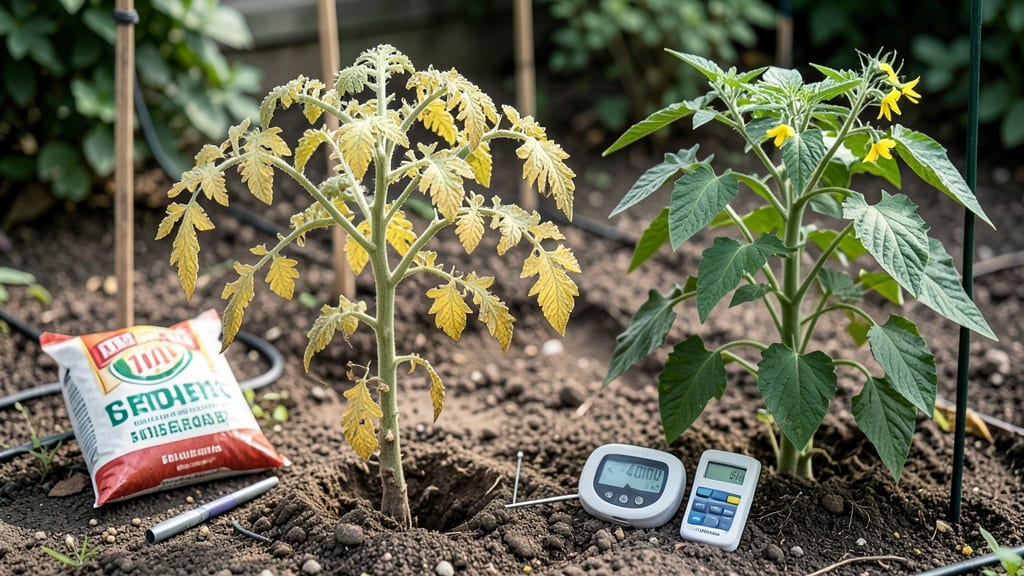
Your tomato plants are not growing taller but are putting out leaves—and that’s the fastest way to lose hope before harvest. 🌱 The good news?
This is almost always a fixable issue, and I’ve helped gardeners rescue their plants from this exact problem with just two adjustments: light exposure and pruning technique. Most people overlook one or both, and that’s why their plants stay stubbornly short.
First, check your light situation. Tomatoes need 6+ hours of direct sun daily, but most growers either underestimate their needs or place them in spots that look sunny but aren’t. A simple test: if your plants are stretching toward the light (long, thin stems), they’re begging for more.
Move them closer to a sunny window or supplement with a grow light—just 4-6 inches above the plants—for 12-14 hours a day.
Next, prune the suckers (those little shoots in the leaf axils) but leave 1-2 main stems—this forces energy upward instead of outward. I prune mine every 7-10 days, and within 2 weeks, I see new vertical growth.
The key is balance: too much pruning stunts growth, but too little lets the plant waste energy on side branches. Think of it like training a vine—guide it upward, and it’ll follow.
Once you’ve adjusted light and pruning, monitor soil moisture and nutrients. Overwatering or underwatering both slow growth, and a quick soil test will tell you if you need a balanced fertilizer (like 10-10-10) to kickstart vertical development.
Most plants respond within a week—if not, pests or disease might be hiding in the roots, and that’s a deeper dive we’ll cover next.
Root Causes Holding Back Growth
When your tomato plants seem stuck in place, the issue often lies beneath the soil—or in how you’re managing their environment. Understanding these root causes (pun intended!) helps you pinpoint the exact fix. Let’s dig in.
Tomatoes are sun-worshippers, craving at least 6–8 hours of direct sunlight daily. Without enough light, they prioritize survival over growth, leading to weak stems and stunted height. Here’s why:
- Photosynthesis slowdown: Light fuels the plant’s energy production. In low light, chlorophyll can’t convert sunlight into glucose efficiently, leaving your tomato short on fuel for vertical growth.
- Leggy, weak stems: Plants stretch toward light sources (a phenomenon called etiolation), creating long, spindly stems that can’t support themselves or produce fruit well.
- Nutrient competition: Without light, the plant diverts energy to leaves instead of stems, leaving your tomato looking bushy but not tall.
Pro tip: If your plants are in partial shade (e.g., under trees or a north-facing wall), consider relocating them to a sunnier spot or using reflective mulch (like white plastic) to bounce extra light onto the leaves. 💡
Tomatoes thrive in warmth, but extreme heat or cold can halt growth. Here’s how temperature affects height:
- Cold snaps (<50°F/10°C): Growth nearly stops below 55°F (13°C). Cold damages cell walls, slowing nutrient uptake and stunting stem elongation.
- Heatwaves (>90°F/32°C): While tomatoes love warmth, excessive heat causes heat stress, where the plant conserves water and energy by reducing growth. Leaves may also curl to protect themselves, further limiting photosynthesis.
- Frost damage: Even a light frost can kill young plants or damage stems, preventing them from recovering and growing taller.
Actionable fix: Use row covers or shade cloth (30–50% coverage) during heatwaves, and wait until soil temps are consistently above 55°F (13°C) before transplanting seedlings. 🌡️
Watering is a double-edged sword—too little or too much can both stunt your tomato’s height. Here’s how:
- Underwatering: Drought stress forces plants to conserve water by slowing growth. Cells can’t expand properly, and stems remain short and brittle.
- Overwatering: Soggy soil suffocates roots, preventing them from absorbing nutrients and oxygen. This leads to root rot, which weakens the plant’s ability to support itself vertically.
- Inconsistent watering: Fluctuations in moisture stress the plant, causing it to focus on survival rather than growth. This often results in blossom end rot or weak stems.
Solution: Water deeply 1–2 times per week (depending on climate), aiming for 1–1.5 inches of water per week. Use drip irrigation or soaker hoses to deliver water directly to the roots and avoid wetting leaves (which can cause disease). 💧
Tomatoes are heavy feeders, and a lack of key nutrients directly impacts their height. Here’s what to watch for:
| Nutrient | Symptoms of Deficiency | Impact on Growth |
|---|---|---|
| Nitrogen (N) | Yellowing leaves (starting with older ones), stunted growth, weak stems | Nitrogen is critical for cell division and leaf/stem development. Without it, your tomato’s vertical growth grinds to a halt. |
| Phosphorus (P) | Dark green or purple leaves, delayed flowering, weak root systems | Phosphorus helps energy transfer in plants. A deficiency slows root and stem growth, keeping your tomato from reaching its full height. |
| Potassium (K) | Yellowing leaf edges, weak stems, poor disease resistance | Potassium strengthens cell walls and regulates water uptake. A lack of it leads to floppy, weak stems that can’t support upward growth. |
| Calcium (Ca) | Blossom end rot, distorted new growth, weak cell structure | Calcium is essential for cell wall formation. Without it, stems become soft and prone to breaking, limiting height. |
Fix it: Use a balanced fertilizer (like 10-10-10 or 5-10-10) at planting, then switch to a low-nitrogen, high-phosphorus formula (e.g., 2-3-1) when flowers appear. For organic growers, compost, bone meal, or banana peel tea can boost key nutrients. 🌱
Tomatoes need space—both above and below ground. When roots are cramped, they can’t support the plant’s vertical expansion. Here’s how overcrowding stunts growth:
- Competition for nutrients: Roots in tight containers or overly dense soil must fight for water and minerals, leaving less energy for stem growth.
- Root-bound stress: Circling or tangled roots (common in small pots) can gnarl and suffocate, preventing the plant from absorbing enough nutrients to grow taller.
- Disease risk: Crowded plants have poor airflow, increasing the chance of fungal infections (like early blight) that weaken the plant.
Solution: Give tomato plants 18–24 inches of space between them in the garden or use large containers (5+ gallons) for potted tomatoes. If repotting, choose a container 20–30% larger than the current one to avoid shocking the roots. 🪴
Now that you’ve identified the likely culprit, the next step is correcting the issue to get your tomatoes reaching for the sky! 🌟
Quick Fixes for Stunted Tomato Growth
Stunted tomato plants can feel like a setback, but with the right adjustments, you can coax them back to their towering potential. Below, we’ve mapped out practical solutions for common causes—from light deprivation to overcrowding—along with prevention tips to keep your plants thriving.
Let’s get those vines reaching for the sky! 🌱🌞
Problem: Insufficient sunlight stunts growth by limiting photosynthesis.
How to Fix It:
- 🌞 Move to a Sunnier Spot – Tomatoes need 6–8 hours of direct sunlight daily. If your garden is shady, relocate plants to a sunnier area or use a reflective surface (like white walls or mirrors) to bounce light onto them.
- 💡 Use Grow Lights – For indoor or low-light setups, LED grow lights (12–16 hours/day) mimic sunlight. Place them 6–12 inches above plants and adjust as they grow.
- ⏰ Extend Daylight Hours – If natural light is limited, add 1–2 hours of artificial light in the evening to supplement.
Prevention Tip: 🌡️ Monitor light levels with a light meter or observe plant color—yellowing leaves signal a need for more sun.
Problem: Poor nutrition or compacted soil slows vertical growth.
How to Fix It:
- 📊 Test Soil pH – Tomatoes thrive in slightly acidic soil (6.0–6.8 pH). Use a soil test kit to check and adjust with lime (to raise pH) or sulfur (to lower it).
- 💪 Feed with Balanced Fertilizer – Switch to a low-nitrogen, high-phosphorus fertilizer (e.g., 5-10-10) to encourage root and stem growth. Avoid over-fertilizing with nitrogen—it promotes leafy growth at the expense of height.
- 🥗 Amend Soil with Compost – Mix in 2–3 inches of compost or aged manure to improve drainage and nutrient availability.
Prevention Tip: ✨ Top-dress plants with compost every 2–3 weeks for a steady nutrient boost.
Problem: Overcrowded or improperly pruned plants waste energy on leaves instead of stems.
How to Fix It:
- 🔪 Prune Suckers Regularly – Remove suckers (the small shoots between the main stem and branches) to redirect energy upward. Focus on the lower half of the plant first.
- 🌿 Thin Out Leaves – If foliage is dense, trim 10–20% of lower leaves to improve airflow and reduce disease risk.
- 🌳 Support with Cages or Trellises – Use sturdy cages or stakes to train plants vertically. Gently tie stems to supports as they grow to prevent bending.
Prevention Tip: 🎯 Prune early and often—waiting too long can stress the plant.
Problem: Overwatering or underwatering stresses roots, halting growth.
How to Fix It:
- 💧 Water Deeply and Infrequently – Aim for 1–1.5 inches of water per week, delivered at the base of the plant (not leaves). Use drip irrigation for consistency.
- 🌊 Check Soil Moisture – Stick your finger 2 inches into the soil; if it’s dry, water. If soggy, hold off to prevent root rot.
- ⏰ Water in the Morning – This reduces evaporation and fungal risks.
Prevention Tip: 💡 Mulch around plants with straw or wood chips to retain moisture and regulate temperature.
Final Note: Patience is key—tomatoes grow in stages. With these fixes, you’ll see stronger stems, bushier foliage, and bigger yields in no time! 🍅🌟
Frequently asked questions
Why are my tomato plants putting out leaves but not growing taller?
This usually means your plants are focusing energy on leaf production instead of vertical growth. Common causes include insufficient sunlight (6+ hours daily), overcrowding, or nutrient imbalances (like too much nitrogen). Check for leggy stems—this is a classic sign of light deprivation.
How often should I prune tomato suckers to encourage height?
Prune suckers every 7-10 days to redirect energy upward. Focus on removing the small shoots in leaf axils, especially on the lower half of the plant. Leave 1-2 main stems—this forces the plant to grow taller rather than bush out.
Can I use Epsom salt to help my tomato plants grow taller?
Epsom salt (magnesium sulfate) can help if your plants show signs of magnesium deficiency (yellowing between leaf veins), but it won't directly boost height. For vertical growth, focus on proper sunlight, balanced fertilizer (like 5-10-10), and regular pruning. Use Epsom salt only if you see deficiency symptoms.
What's the best way to tell if my tomato plants need more light?
Look for these signs: long, thin stems reaching toward light sources (etiolation), pale or yellowing leaves, and weak stems that can't support themselves. If your plants are in partial shade, move them to a sunnier spot immediately—tomatoes need 6-8 hours of direct sun daily.
Will using a trellis help my tomato plants grow taller?
Yes! Trellises provide physical support and encourage vertical growth by training vines upward. Use sturdy cages or stakes and gently tie stems as they grow. This not only helps with height but also improves airflow (reducing disease risk) and makes harvesting easier.