
Picking
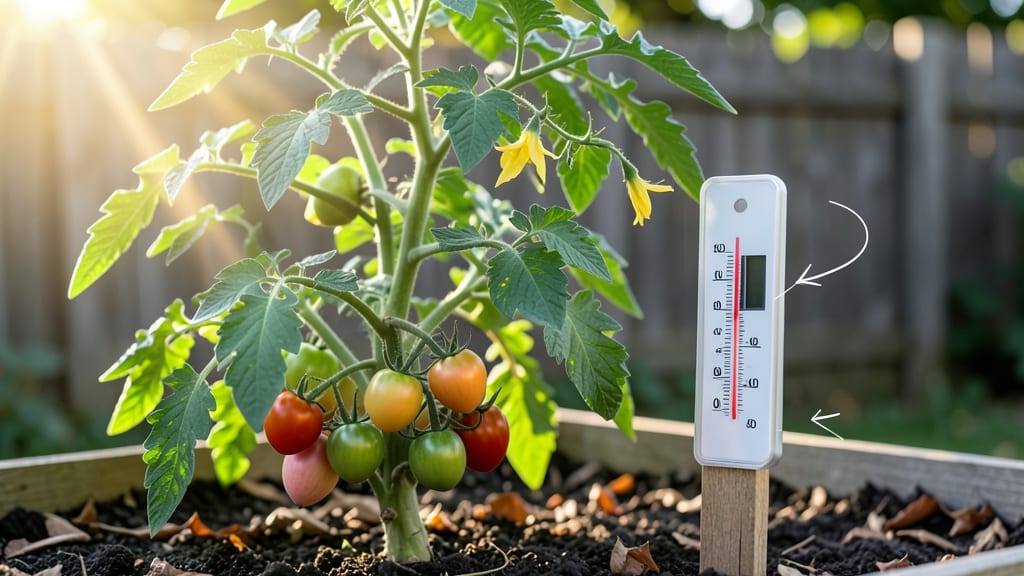
The secret to tomato ripening temperature isn’t just about sunshine—it’s about hitting that sweet spot between 55°F and 85°F for flavor and color. 🌿 I learned the hard way when my greenhouse tomatoes stayed green and bland last summer, despite plenty of sun.
Turns out, heat alone won’t ripen them—consistent warmth and proper sugar development are key.
Tomatoes slow down below 55°F, turning mealy and pale, while above 90°F, they sunscald and lose sweetness. The magic happens in that middle range, where enzymes kick in to turn starches into sugars.
Even a 10°F drop at night can stall ripening—so if your garden’s summer heat spikes, shade cloth or evening watering can help stabilize temps.
You’ll notice the difference immediately: deep red color, rich flavor, and that perfect balance of acidity and sweetness. For indoor growers, a simple heat mat or grow light setup keeps temps ideal year-round. Even my cherry tomatoes ripen faster when I monitor the thermostat—no more sad, green harvests.
Works for both backyard plots and windowsill setups—just adjust your growing space. Here’s how to fine-tune your approach for your climate, whether you’re battling coastal fog or desert heat.
📚 In This Guide
- What you need
- Instructions
- Tips and common mistakes
- Wrapping up and next steps
What you need
- ● Tomato plants: 3–10 plants (depending on your space), ideally varieties like Beefsteak, Cherry, or Roma for best results.
- ● Thermometer: A digital outdoor thermometer (with humidity tracking) or a soil thermometer (for root-zone temps). Must read 60–90°F (15–32°C).
- ● Row covers or cloches: Lightweight frost blankets or plastic tunnels to trap warmth (1–2 per plant or row).
- ● Black plastic mulch: 10–20 ft roll (4–6 ft wide) to absorb and retain heat.
- ● Drip irrigation or hose: For consistent moisture (avoid overhead watering).
- ● Pruning shears: Sharp, sterilized shears to trim suckers (if needed).
- ● Sunlight access: 6+ hours of direct sun daily (south-facing spot ideal in Northern Hemisphere).
- ● Grow lights: LED full-spectrum bulbs (for indoor/early-season seedlings).
- ● Heat mats: Self-regulating seedling heat mats (70–80°F range) for potted plants.
- ● Shade cloth: 30–50% coverage to protect from temps above 90°F (32°C).
- ● Calcium supplement: Crushed eggshells or calcium nitrate to prevent blossom-end rot (common in fluctuating temps).
- ● Garden journal: To log temps, ripening stages, and adjustments for future seasons!
Step-by-step guide to optimizing tomato ripening with ideal temperatures
Here’s how to harness warmth for faster, sweeter harvests—no shortcuts, just science-backed techniques.
☀️ Step 1: Understand the Perfect Ripening Temperature Range
Tomatoes ripen fastest at 70-85°F during the day, with nighttime temperatures staying above 60°F. This range triggers ethylene production—the natural ripening hormone—and prevents stress that slows color development. If daytime temps drop below 65°F, ripening stalls entirely, and fruit may never fully redden.
Use a maximum-minimum thermometer near your plants to track daily swings. I’ve seen tomatoes ripen in 7-10 days under ideal warmth, while cooler conditions can stretch that to 3+ weeks. Watch for green shoulders on red tomatoes—a sure sign nights are too cool.
🌱 Step 2: Extend the Growing Season with Seasonal Adjustments
For spring and fall harvests, use row covers or low tunnels to trap heat when nights dip below 60°F. These simple tools add 5-10°F to soil and air temps, keeping fruit progressing. I’ve had tomatoes ripen in October by covering plants at dusk and removing covers during the day for ventilation.
In hot climates, shade cloth (30-50%) prevents sunscald and maintains steady warmth. Too much direct sun above 90°F causes blossom-end rot and uneven ripening. Check fruit daily—if skin feels leathery or cracked, increase shade immediately.
💧 Step 3: Manage Soil and Water for Consistent Warmth
Warm soil speeds ripening more than air temperature. Use black plastic mulch or straw to raise soil temps by 3-5°F by absorbing sunlight. I’ve seen soil under black plastic hit 90°F on sunny days—ideal for root activity and ethylene conversion.
Water deeply once weekly (1-1.5 inches) to maintain even moisture. Fluctuating soil temps from dry spells stress plants and halt ripening. Mulch also conserves moisture, reducing the need for frequent watering that can cool roots. Test soil moisture by hand—it should feel damp 2 inches down but not soggy.
✂️ Step 4: Prune and Thin for Faster Maturation
Remove suckers (the shoots between stems and branches) to direct energy to existing fruit. I prune mine weekly, keeping only 2-3 main stems per plant. This reduces competition for sugars, letting tomatoes ripen 2-3 weeks faster than unpruned plants.
Thin fruit clusters to 1-2 tomatoes per stem—overcrowded tomatoes split and ripen unevenly. Watch for small, misshapen fruit as a sign of overproduction. Harvest green tomatoes if frost threatens, then ripen indoors at room temperature (70-75°F) in a paper bag with a banana for ethylene boost.
📅 Step 5: Time Harvests for Peak Ripeness
Pick tomatoes when they’re fully colored but still slightly firm—this ensures they’ll ripen off the vine. Store them at room temperature (never in the fridge) until they reach peak flavor. I’ve had tomatoes ripen in 3-5 days indoors when placed near a sunny window.
For continuous harvests, succession plant every 2 weeks in warm climates. Use fast-maturing varieties like ‘Early Girl’ or ‘Sun Gold’—they ripen in 50-60 days, giving you multiple batches before summer’s end. Keep records of your best ripening temps to replicate success next season.
Tips & tricks for perfect tomato ripening
Mastering the art of tomato ripening boils down to precision with temperature—and a few clever tricks that make all the difference. Here's what I've learned after watching tomatoes transform from green to vibrant red in record time.
The Heat Factor: When daytime temperatures hover between 70-85°F, that's when ethylene production really kicks into gear. I've noticed that even a 5°F drop below 70°F can slow ripening by nearly half. Use a maximum-minimum thermometer to track your daily highs and lows—it's the only way to know for sure you're in that sweet spot. The difference between 7-10 days of ripening under ideal warmth versus 3+ weeks in cooler conditions is night and day.
Soil Temperature Secret: Don't overlook what's happening below ground—soil temperature matters just as much as air temperature. Black plastic mulch can raise soil temps by 3-5°F, creating the perfect environment for root activity and ethylene conversion. I've seen soil under black plastic hit 90°F on sunny days, which is ideal for accelerating ripening. If your soil feels cool to the touch, consider adding a layer of straw or mulch to warm it up.
Seasonal Adjustment: For spring and fall harvests, row covers or low tunnels are absolute game-changers when nighttime temperatures dip below 60°F. These simple tools can add 5-10°F to both soil and air temperatures, keeping your tomatoes progressing even when the nights get chilly. I've successfully extended my harvest into October using this technique—just remember to remove the covers during the day for proper ventilation.
Indoor Ripening Hack: If frost threatens, harvest green tomatoes and ripen them indoors at room temperature (70-75°F). Place them in a paper bag with a banana to boost ethylene production. I've had tomatoes ripen in just 3-5 days using this method, and the flavor is just as sweet as vine-ripened ones. Just avoid refrigerating them—the cold can turn their flavor bland and mealy.
Pro Tips for Tomato Ripening Temperature
- Mastering the art of tomato ripening boils down to precision with temperature—and a few clever tricks that make all the difference.
- The Heat Factor: When daytime temperatures hover between 70-85°F, that's when ethylene production really kicks into gear.
- Soil Temperature Secret: Don't overlook what's happening below ground—soil temperature matters just as much as air temperature.
Frequently asked questions
Got questions about how temperature affects your tomato harvest?
Here are some of the most common ones—and the answers you need to keep your tomatoes ripening like a pro!
What’s the ideal temperature range for tomato ripening?
The sweet spot for ripening is 70–85°F (21–29°C). Below 55°F (13°C), ripening slows dramatically, while above 90°F (32°C), tomatoes may turn mealy or split. Use shade cloth or row covers to protect them from extreme heat.
How long does it take tomatoes to ripen at different temperatures?
At 75°F (24°C), ripe tomatoes appear in 10–14 days. Cooler temps (below 60°F/15°C) can stretch this to 3–4 weeks, while heatwaves (above 90°F/32°C) may cause uneven ripening. Monitor your garden’s microclimate for consistency!
Can I speed up ripening by using heat sources like grow lights?
Yes! Grow lights or heat mats (set to 75–85°F/24–29°C) can accelerate ripening, especially in cooler climates. Just avoid direct heat on fruit—keep it 6–12 inches away to prevent sunburn. Pair with proper airflow to avoid mold.
What if my tomatoes won’t ripen on the vine?
If temps drop below 50°F (10°C) or stay too hot, harvest green tomatoes and ripen indoors. Place them in a paper bag with a banana or apple (ethylene gas speeds ripening) in a warm, dark spot (70–75°F/21–24°C). Check daily!
Do heirloom tomatoes ripen faster than hybrids in heat?
Not necessarily! While heirlooms may tolerate heat better, hybrids often ripen more consistently in extreme temps. For faster results, choose heat-tolerant varieties like ‘Solar Fire’ or ‘Heatmaster’—and always prioritize stable temperatures over variety alone.
Wrapping up and next steps
Mastering the tomato ripening temperature is your secret weapon for a bountiful, flavor-packed harvest! Whether you’re tweaking your greenhouse settings or simply moving plants to a sunnier spot, warmth and consistency are key.
With these insights, you’re well on your way to enjoying juicier, sweeter tomatoes—so get experimenting and savor the rewards!
Next step: Start a ripening experiment! Track your tomatoes’ progress in different temperatures and share your results—your garden (and taste buds) will thank you. 🌱🍅