
Vegetables
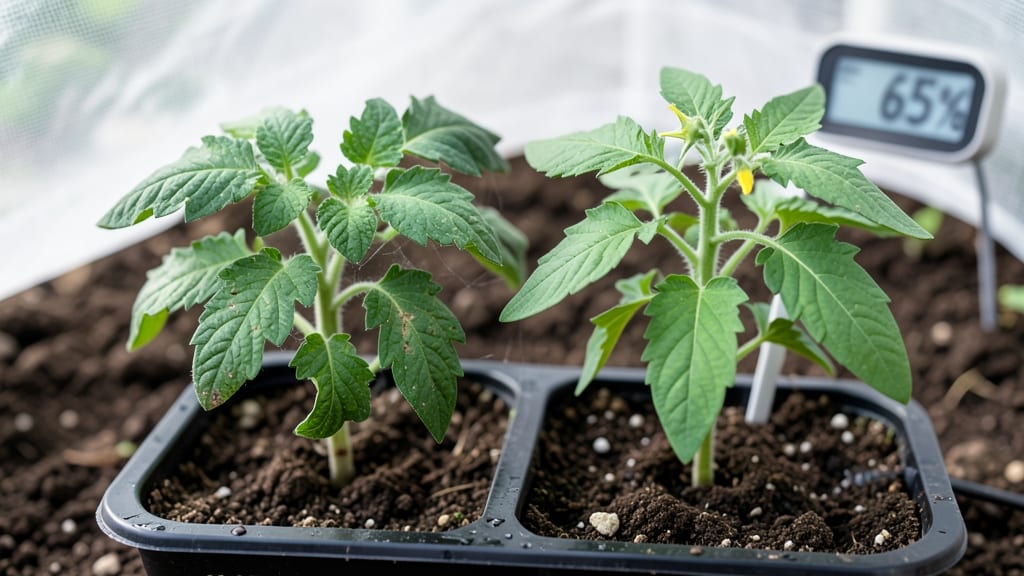
When your tomato seedlings start curling, it’s not just a bad hair day—it’s a warning sign. 🌱 The good news? Most cases can be turned around in 24 hours with the right moves, and I’ve saved more seedlings than I’ve lost thanks to these exact steps.
What you’re seeing might be spider mites, fungal stress, or even overwatering, but the fix is simpler than you think.
First, grab a magnifying glass and check the undersides of those curled leaves—looking for tiny webs or speckled damage. If it’s mites, a strong spray of water or neem oil does the trick.
For environmental stress, adjust your watering (soil should stay damp, not soggy) and move seedlings to a spot with bright, indirect light. The key is acting fast before the problem spreads.
Within 24 hours, you’ll see leaves unfurling and seedlings perking up again. The real magic happens when you combine quick fixes with long-term care—like improving airflow, rotating plants, and keeping soil pH balanced. Trust me, your future tomatoes will thank you.
This works for seedlings in trays, pots, or even under grow lights. No fancy tools needed—just observation and a little TLC. Let’s get those plants back on track before they hit the garden bed.
Root Causes Behind Curling Seedlings
Understanding why your tomato seedlings are curling is the first step toward saving them. This issue rarely stems from just one factor—it’s usually a mix of environmental stress, biological attacks, or poor growing conditions. Below, we break down the most common culprits and why they trigger this distressing symptom.
Tomato seedlings thrive in consistent warmth (ideal daytime temps: 70–85°F / 21–29°C; nighttime: 55–65°F / 13–18°C). When temperatures swing too high or too low, seedlings react by curling their leaves as a protective response.
- Heat Stress (Above 90°F / 32°C): High temperatures cause transpiration rates to spike, leading to water loss faster than roots can absorb it.
Cells lose turgor pressure, causing leaves to cup, roll, or crisp at the edges—a classic sign of wilting under heat stress. - Actionable fix: Provide shade cloth (30–50% coverage) during peak afternoon sun. Use mulch to keep soil cooler and retain moisture.
- Cold Stress (Below 50°F / 10°C): Chilly nights slow metabolic processes, disrupting chlorophyll production and nutrient uptake. Seedlings may appear stunted, purple-tinged, or curled inward to conserve energy.
- Actionable fix: Use row covers or mini greenhouses for overnight protection. Avoid planting too early in cool climates.
Water is the lifeblood of seedlings, but improper moisture levels are a leading cause of curling. Both drought stress and overwatering can trigger this issue—just in different ways.
- Underwatering (Drought Stress): When soil dries out, roots struggle to absorb water and nutrients, causing cell dehydration.
Leaves curl upward and inward (like a "taco") to reduce surface area and slow water loss. - Actionable fix: Water deeply at the base (1–2 inches of soil should stay moist). Use a moisture meter to avoid guesswork. Morning watering prevents evening evaporation.
- Overwatering (Root Suffocation): Soggy soil cuts off oxygen to roots, leading to anaerobic conditions that disrupt nutrient absorption.
Curling leaves may also appear yellow or mushy (a sign of root rot). - Actionable fix: Ensure pots have drainage holes and use well-draining soil mixes (50% potting soil, 30% perlite, 20% compost). Let the top 1 inch dry out between waterings.
Tiny invaders and pathogens sap nutrients or physically damage seedlings, forcing leaves to curl as a defense mechanism.
- Aphids, Spider Mites, or Whiteflies: These sap-sucking pests inject toxins while feeding, causing leaves to curl, yellow, or develop sticky honeydew. Heavy infestations stunt growth. - Actionable fix: Spray with neem oil (1 tsp per quart of water) or introduce ladybugs (natural predators).
Isolate affected plants to prevent spread.
- Fungal Infections (Early Blight, Damping Off): Fungi like Alternaria solani (early blight) thrive in humid, poorly ventilated conditions. Infected leaves develop concentric rings or spots, then curl and die. - Actionable fix: Remove infected leaves immediately and treat with copper fungicide (follow label rates).
Space seedlings for airflow and avoid overhead watering.
- Viral Infections (Tobacco Mosaic Virus, TMV): Viruses like TMV spread via contaminated tools, hands, or insects (e.g., aphids). Infected seedlings show mosaic patterns, stunted growth, and curled leaves. - Actionable fix: Disinfect tools with rubbing alcohol between plants.
Remove and destroy infected seedlings (do not compost). Use resistant varieties like ‘Defiant PhR’ or ‘Mountain Merit’.
Seedlings need a balanced diet of nitrogen (N), phosphorus (P), and potassium (K), along with micronutrients like calcium, magnesium, and iron. Deficiencies cause curling as the plant struggles to function.
- Nitrogen Deficiency (Pale, Yellowing Leaves): Nitrogen fuels leaf growth. Without it, older leaves turn yellow (chlorosis) and may curl downward as the plant redirects resources to new growth.
- Actionable fix: Apply a balanced fertilizer (10-10-10 or 5-5-5) at half-strength. Use compost tea for a gentle boost.
- Potassium Deficiency (Brown Leaf Edges): Potassium regulates water and nutrient transport. Deficiency causes leaf curling, browning edges (scorch), and weak stems.
- Actionable fix: Feed with potassium-rich amendments like wood ash (sparingly) or kelp meal. Avoid over-fertilizing—too much salt burns roots.
- Calcium Deficiency (Blossom End Rot’s Early Sign): Calcium strengthens cell walls. Without it, new leaves may curl upward or develop distorted growth. This often appears in fast-growing seedlings where roots can’t keep up with demand. - Actionable fix: Add crushed eggshells or gypsum to soil.
Ensure even moisture—calcium uptake drops in fluctuating conditions.
Moving seedlings from seed trays to the garden (or larger pots) can cause stress-induced curling if not done carefully.
- Root Disturbance: Damaged roots slow nutrient/water uptake, causing temporary curling as the plant recovers.
- Actionable fix: Hardening off seedlings (gradually exposing them to outdoor conditions for 7–10 days) reduces shock. Handle roots gently during transplanting—avoid pulling by the stem.
- Compacted or Poor-Quality Soil: Dense, clay-heavy, or low-organic-matter soil restricts root growth. Seedlings may curl as they struggle to access oxygen and nutrients.
- Actionable fix: Amend soil with compost or coconut coir to improve aeration. For containers, use a light, fluffy mix (avoid garden soil).
Pro Tip: 🔍 Diagnose like a detective—check the undersides of leaves for pests, soil moisture with your finger, and leaf color for nutrient clues. Often, the first symptom (e.g., yellowing vs. browning) reveals the root cause!
Quick Fixes for Wrinkled Seedlings
If your tomato seedlings are curling, don’t panic—most issues are fixable with the right approach! Below are targeted solutions for the most common causes, along with prevention tips to keep your plants thriving. 🌱✨ Let’s get those seedlings back to their happy, straight-growing selves.
Fix it fast:
- Stop watering immediately—let the soil dry out slightly (stick your finger in; if it’s soggy, wait).
- Repot in well-draining soil (mix potting soil with perlite or vermiculite for aeration).
- Check your pots—ensure they have drainage holes. If not, transfer seedlings to containers with holes.
- Water only when the top inch of soil is dry—use a spray bottle for gentle moisture.
💡 Prevention tip: Use terracotta pots (they dry faster) and avoid saucers that trap excess water. Mulch lightly with straw to regulate moisture.
Adjust the environment:
- Move seedlings to a cooler, shaded spot if temperatures exceed 85°F (29°C).
- Avoid drafts (AC vents, open windows) if temps drop below 50°F (10°C).
- Use a heat mat (set to 70–75°F / 21–24°C) for nighttime warmth if needed.
- Mist leaves lightly in extreme heat to prevent wilting.
🎯 Prevention tip: Place seedlings in a south-facing window (or under grow lights) with consistent temps. A mini greenhouse or cloche can help stabilize conditions.
Identify and eliminate pests:
- Check for aphids, spider mites, or whiteflies—wipe leaves with soapy water (1 tsp mild dish soap + 1 quart water).
- Blast off pests with a strong spray of water (use a hose or spray bottle).
- Introduce beneficial insects like ladybugs or lacewings for long-term control.
- Isolate affected seedlings to prevent spread.
✨ Prevention tip:
- Inspect new plants before bringing them indoors.
- Use row covers if gardening outside to block pests early.
Flush and reset:
- Stop fertilizing immediately—overdoing it (especially with nitrogen) causes curling.
- Flush the soil with plain water (let it run through the pot) to leach excess salts.
- Use a balanced, diluted fertilizer (half-strength, 10-10-10) only every 2–3 weeks.
- Add compost tea (1:10 ratio) to gently restore nutrients.
📊 Prevention tip:
- Test your soil before planting—amended soil reduces the need for heavy fertilizers.
- Start slow with organic fertilizers like fish emulsion or worm castings.
Disinfect and revive:
- Remove severely affected leaves (sterilize scissors with rubbing alcohol).
- Spray with neem oil (1 tsp neem oil + 1 quart water + a drop of dish soap) every 3–4 days for 2 weeks.
- Improve airflow—space seedlings 2–3 inches apart and avoid overcrowding.
- Water at the base (not overhead) to prevent fungal spores from spreading.
🔪 Prevention tip:
- Sterilize tools between plants to avoid cross-contamination.
- Rotate crops yearly to prevent soil-borne diseases.
If seedlings are too stressed to recover, try this:
- Trim damaged leaves (don’t remove more than 1/3 of the plant).
- Repot in fresh, sterile soil (avoid garden soil—it may carry pathogens).
- Hardening off (acclimate to outdoor conditions gradually) before transplanting.
⏰ Timeframe for Recovery:
- Mild stress (heat/water): 3–5 days
- Pests/fungus: 1–2 weeks (with consistent treatment)
- Nutrient burn: 1 week (once flushed)
🌱 Pro Tip: Keep a seedling journal—note watering, temps, and fertilizing to spot patterns early!
Frequently asked questions
Why are my tomato seedlings curling upward instead of downward?
Upward curling often signals drought stress or heat damage—the plant tries to reduce water loss by minimizing surface area. Check soil moisture (top 1 inch should feel damp), and move seedlings to shade if temps exceed 85°F (29°C)
Can I save tomato seedlings with curled leaves caused by spider mites?
Yes! Isolate affected seedlings immediately, then spray with a mix of 1 tsp neem oil + 1 quart water. Repeat every 3-4 days for 2 weeks. For severe cases, wipe leaves with soapy water (1 tsp mild dish soap per quart) to dislodge mites.
How often should I water tomato seedlings to prevent curling?
Water when the top 1 inch of soil feels dry—typically every 2-3 days for seedlings in pots. Use a spray bottle for gentle moisture, and always water at the base (not overhead) to prevent fungal stress. Terracotta pots help regulate moisture better than plastic.
What's the difference between heat stress and nutrient deficiency curling?
Heat stress causes leaves to curl upward with crispy edges, while nutrient deficiencies (like nitrogen) make leaves curl downward with yellowing. Check soil pH—tomatoes prefer 6.0-6.8. For deficiencies, flush soil with water and use a balanced fertilizer at half-strength.
Should I prune curled leaves from my tomato seedlings?
Only remove severely damaged or blackened leaves—never trim more than 1/3 of the plant. Healthy leaves photosynthesize to support recovery. Sterilize scissors with rubbing alcohol between cuts to prevent infection.