
How To
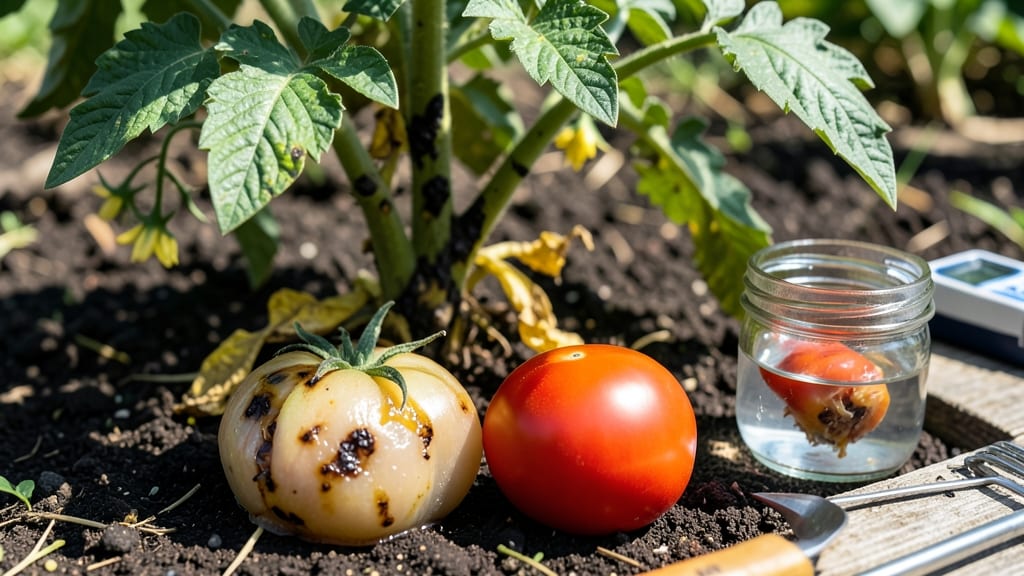
Your tomatoes could be turning into smelly mush before you know it. 🌱 Soft rot—caused by Erwinia bacteria—starts with water-soaked spots that spread fast, turning fruit into a foul-smelling pulp. The good news? You can stop it before it ruins your harvest with a few simple but critical steps.
First, sanitize everything: wash hands, tools, and containers with bleach water (1 part bleach to 10 parts water) to kill bacteria. Space plants properly for airflow—crowding lets moisture linger, inviting rot. Water at the base, never overhead, and pick ripe tomatoes daily to prevent overripe fruit from inviting bacteria.
If you catch it early, you might still save some fruit by removing affected parts and treating the plant with copper spray.
📚 In This Guide
- What you need
- Instructions
- Tips and common mistakes
- Wrapping up and next steps
What you need
- ● Tomatoes: Fresh, unblemished tomatoes (ripe or slightly underripe). Aim for 10-20 per batch, depending on storage needs.
- ● Storage Containers: Ventilated Crates: Wooden or plastic crates with holes for airflow (e.g., 18" x 12" x 6").
- ● Paper Bags: Breathable brown paper bags (one per tomato or small clusters).
- ● Disinfectant: Food-safe bleach solution (1 tbsp bleach per gallon of water) or hydrogen peroxide (3%) for cleaning surfaces/tools.
- ● Pruning Shears or Sharp Knife: Sterilized tools for trimming damaged areas (if needed).
- ● Plastic Gloves: To avoid transferring bacteria (latex or nitrile-free).
- ● Humidity Trays: Shallow trays with water and pebbles to maintain 80-90% humidity around tomatoes.
- ● Food-Grade Calcium: Spray or powder (e.g., calcium chloride) to strengthen cell walls and delay rot.
- ● Thermometer: Digital probe thermometer to monitor storage temps (50–55°F ideal).
- ● Baking Soda Solution: 1 tsp baking soda per gallon of water for occasional surface treatment (natural antifungal).
Step-by-step guide to preventing tomato soft rot in your garden
Here’s how I’ve kept my tomato harvests rot-free year after year—no fancy tools, just smart habits.
🌱 Step 1: Choose Disease-Resistant Varieties and Healthy Starts
Start with tomato varieties bred for disease resistance, like 'Mountain Merit' or 'Celebrity.' These are less prone to soft rot caused by Pythium or Phytophthora fungi. I always buy transplants from reputable nurseries—avoid plants with yellowing leaves or soft spots, as these are early signs of infection.
If you’re growing from seed, use sterilized seed-starting mix and avoid overwatering during germination. The moment seedlings show their first true leaves, I move them to a sunny spot to build strong, resilient plants. Weak seedlings are the first to succumb to soft rot when conditions get damp.
💧 Step 2: Master Watering to Avoid Moisture Traps
Soft rot thrives in wet foliage and compacted soil, so I water deeply at the base—never overhead. Use a soaker hose or drip irrigation to deliver moisture directly to the roots, keeping leaves dry. I water in the early morning so any splashes evaporate by afternoon.
Check soil moisture by sticking your finger 1 inch deep—water only when it feels dry. Mulch with 2-3 inches of straw or shredded leaves to prevent soil splash onto fruit. I’ve seen soft rot spread overnight when fruit sits in damp mulch, so keep mulch away from stems.
☀️ Step 3: Optimize Airflow and Sunlight for Strong Plants
Tomatoes need 6-8 hours of direct sun daily, but poor airflow is a soft rot magnet. I space plants 18-24 inches apart and prune suckers regularly to improve circulation. Remove any yellow or diseased leaves immediately—don’t compost them; bag and discard to prevent spreading spores.
If your garden gets humid, I add trellises or cages to lift fruit off the ground. This keeps tomatoes dry and reduces contact with infected soil. Watch for dark, mushy spots on fruit—this is your warning sign to act fast before rot spreads.
✂️ Step 4: Monitor and Act at the First Sign of Trouble
Inspect plants weekly for soft, watery spots on stems or fruit. If you spot rot, remove the affected plant or fruit immediately—don’t leave it on the vine or in the compost. I dip pruners in rubbing alcohol between cuts to sterilize them and prevent cross-contamination.
For mild cases, I apply copper fungicide as a preventative spray every 10-14 days during wet seasons. If rot persists, I rotate crops next season—never plant tomatoes, peppers, or eggplants in the same spot, as these are all susceptible to the same pathogens.
🪴 Step 5: Clean Up and Prevent Recurrence Next Season
At season’s end, remove all plant debris—even small stems can harbor fungal spores. I sterilize garden tools with bleach solution (1 part bleach to 9 parts water) and store them in a dry place. Rotate planting locations to break the disease cycle.
For container growers, I soak pots in bleach water for 10 minutes before reuse. This simple step has saved my containers from becoming soft rot incubators. Next spring, I start fresh with healthy soil and resistant varieties—no shortcuts.
Tips & tricks for preventing tomato soft rot
These simple but powerful strategies will help you keep your tomato plants healthy and your harvests bountiful.
Variety Selection Tip: When choosing tomato varieties, look for labels that specifically mention resistance to Pythium or Phytophthora—these are the fungi responsible for soft rot. I’ve found that 'Mountain Merit' and 'Celebrity' consistently outperform other varieties in my damp climate. If you’re growing from seed, prioritize disease-resistant hybrids over heirlooms, which often lack this protection. The investment in resistant varieties pays off when you avoid losing entire plants to rot.
Seedling Care Secret: The moment your seedlings show their first true leaves, move them to a bright, sunny location immediately. I’ve learned this the hard way—weak seedlings that don’t get enough light develop thin stems and are far more susceptible to soft rot when conditions get damp. Place them under grow lights if natural sunlight is limited, and avoid overwatering during this critical stage. Remember, damp soil combined with weak plants is a recipe for disaster.
Watering Strategy: The 6-8 hours of direct sunlight your tomatoes need daily is just as important as how you water them. I’ve perfected a system where I water deeply at the base using a soaker hose in the early morning—this gives moisture time to soak in while leaves stay dry. The key is to check soil moisture by sticking your finger 1 inch deep; if it feels dry, that’s when you water. This method prevents the wet foliage that soft rot thrives on, and it’s a game-changer for preventing rot in humid climates.
Airflow Optimization: Proper spacing and pruning are your best defenses against soft rot. I space my tomato plants 18-24 inches apart and prune suckers regularly to ensure good airflow. In particularly humid conditions, I add trellises or cages to lift the fruit off the ground, which keeps it dry and reduces contact with infected soil. Watch for dark, mushy spots on fruit—they’re your early warning system that rot is starting. When you see these signs, act immediately to prevent spread.
Pro Tips for Tomato Soft Rot
- These simple but powerful strategies will help you keep your tomato plants healthy and your harvests bountiful.
- Variety Selection Tip: When choosing tomato varieties, look for labels that specifically mention resistance to Pythium or Phytophthora—these are the fungi responsible for soft rot.
- Seedling Care Secret: The moment your seedlings show their first true leaves, move them to a bright, sunny location immediately.
Frequently asked questions
Got questions about tomato soft rot? You’re not alone!
Here are some of the most common concerns—and quick fixes—to keep your tomatoes firm and fresh.
What causes tomato soft rot in the first place?
Soft rot is usually caused by bacteria like Erwinia or fungi thriving in wet, damaged, or overripe tomatoes. These pathogens break down cell walls, turning fruit mushy and foul-smelling. Poor air circulation, overwatering, or physical injuries (like bruises) create the perfect breeding ground.
How fast can soft rot spread from one tomato to another?
Soft rot spreads fast—sometimes within 24–48 hours if conditions are ideal (high humidity, warm temps, or crowded plants). Once one tomato shows signs (slimy texture, foul odor), isolate it immediately to prevent contamination. Remove affected fruit before it oozes onto others!
Can I save a tomato already showing soft rot symptoms?
Unfortunately, no. Once soft rot sets in, the damage is irreversible. Toss the affected tomato (and nearby ones) to stop the spread. For future harvests, pick tomatoes when fully ripe but firm—never leave them on the vine past their prime or in damp storage.
Is soft rot the same as tomato blight? How do I tell the difference?
Not quite! Soft rot makes tomatoes mushy and smelly (like rotten eggs), while blight causes brown, leathery spots and wilting. Blight also affects leaves/stems, whereas soft rot targets fruit directly. If in doubt, check for odor—soft rot always stinks!
What’s the best way to prevent soft rot in my garden?
Start with these 3 key steps:
- Space plants (18–24" apart) for airflow.
- Avoid overwatering—water at the base, not the leaves.
- Harvest promptly when ripe and store in a cool, dry place.
Wrapping up and next steps
Tomato soft rot may seem daunting, but with the right knowledge and proactive steps, you can keep your harvest fresh and thriving. 🌱 From proper storage and hygiene to early detection, every small action adds up to big results.
Don’t let rot ruin your hard work—stay vigilant, act fast, and enjoy those juicy, perfect tomatoes!
Ready to take control? Start by inspecting your plants weekly and applying the prevention tips you’ve learned. Your future tomato harvest will thank you!