
Propagation
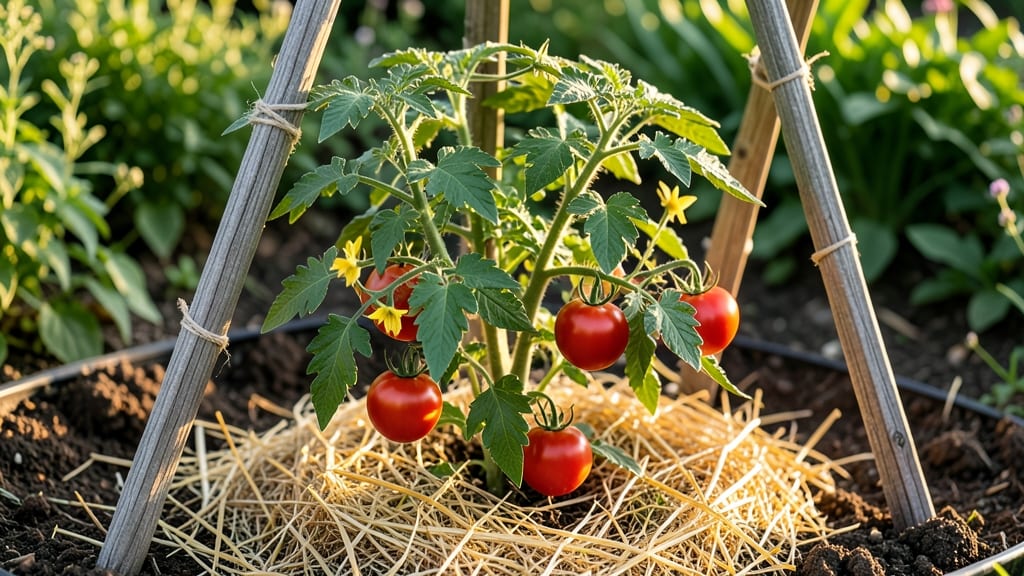
Maryland’s humid summers and stubborn pests demand tomatoes that fight back—and these heirloom varieties do just that. 🌱 I’ve grown them for years, and the difference between a struggling plant and a thriving vine comes down to choosing the right seeds.
Varieties like 'Brandywine' and 'Cherokee Purple' aren’t just pretty; they’re built to survive Maryland’s challenges while delivering flavor that puts store-bought tomatoes to shame.
The secret starts with timing: plant after your last frost (around mid-April), but don’t wait too long—humidity and heat ramp up fast. Amend your soil with compost to improve drainage (Maryland clay can be a nightmare), and space plants 18-24 inches apart to prevent disease spread.
A trick I learned? Mulch heavily to keep soil cool and reduce blight risk—the #1 enemy of Maryland tomatoes.
By midsummer, you’ll be harvesting tomatoes so sweet and meaty they’ll make your neighbors jealous. These varieties produce earlier and more reliably than commercial hybrids, and the care is straightforward: consistent watering, regular pruning, and a watchful eye for pests.
The payoff? A harvest that lasts well into fall, even when other gardens are struggling.
For seeds, skip the big-box stores—local nurseries like Southern Exposure Seed Exchange or Maryland-specific suppliers know which varieties thrive here. Or try saving seeds from your best plants next year; heirlooms reward patience with generational flavor. Ready to grow tomatoes that outperform the rest?
📚 In This Guide
- What you need
- Instructions
- Tips and common mistakes
- Wrapping up and next steps
What you need
- ● Seeds: Cold-hardy Maryland heirloom tomato varieties (e.g., 'Maryland Mammoth,' 'Cherokee Purple,' or 'Brandywine') – 5–10 seeds per plant (start with 3–5 plants for beginners).
- ● Seed Starting Mix: Lightweight, sterile potting soil (e.g., Pro-Mix or FoxFarm Seedling Mix) – 1–2 gallons per batch of seeds.
- ● Containers: Biodegradable pots (2–3 inches deep) or seed trays with cells – 1 per seed (or 12–24-cell tray).
- ● Grow Lights or Sunny Window: Full-spectrum LED grow lights (e.g., SPRYN or GE LED Plus) or a south-facing window with 6–8 hours of sunlight daily.
- ○ Heat Mat (Optional but Helpful): Germination mat (e.g., VIVOSUN) to maintain 70–80°F soil temp for faster sprouting.
- ● Fertilizer: Balanced liquid fertilizer (e.g., Fish Emulsion 5-1-1 or Miracle-Gro All Purpose) – diluted to half-strength for seedlings.
- ● Spray Bottle: For gentle watering (avoid over-saturating soil).
- ● Gardening Gloves & Tweezers: For transplanting delicate seedlings.
- ● Humidity Dome: Clear plastic cover for seed trays to retain moisture.
- ● pH Test Kit: To ensure soil pH is 6.0–6.8 (tomatoes thrive in slightly acidic soil).
- ● Cage or Trellis: Sturdy tomato cages (5–6 feet tall) or bamboo stakes for support as plants grow.
- ● Mulch: Straw or shredded leaves to retain soil moisture and suppress weeds.
- ● Pruning Shears: For trimming suckers and shaping plants as they mature.
How to grow Maryland's cold-hardy heirloom tomatoes
Maryland’s heirloom tomatoes thrive where others falter—here’s how to cultivate them successfully in your garden.
🌱 Step 1: Choose the Right Varieties for Maryland’s Climate
Maryland’s cooler springs and shorter growing season demand varieties like ‘Maryland Mammoth’ (a beefsteak type) or ‘Cherokee Purple’, both bred to withstand temperature swings. These heirlooms also resist common diseases like early blight, which ravages many commercial varieties in humid summers.
Start with seeds indoors 6-8 weeks before your last frost date—Maryland’s average is around April 15. I like to use 2-3 inch deep biodegradable pots to avoid transplant shock when moving them outdoors. The key here is patience; rushing seedlings into the garden before soil warms to 60°F stunts growth.
☀️ Step 2: Prepare the Garden Bed for Early Planting
Maryland’s soil often stays cool late into spring, so amend your bed with 2-3 inches of compost and a 5-10-10 fertilizer to jumpstart root development. Heirlooms like ‘Brandywine’ need rich, well-draining soil to produce their signature sweetness. Work in a 2-inch layer of straw mulch after planting to retain warmth and moisture.
Wait until soil reaches 60°F at a 6-inch depth—use a soil thermometer to confirm. Planting too early risks cold-sensitive roots, and Maryland’s unpredictable spring nights can drop temperatures unexpectedly. If you’re in a cooler microclimate, opt for ‘Stupice’, a Czech heirloom that tolerates 50°F nights better than most.
🪴 Step 3: Transplant Seedlings with Care
Hardening off seedlings is critical—gradually expose them to outdoor conditions over 7-10 days by placing them in a sheltered spot for increasing durations. Maryland’s wind can desiccate tender leaves, so I start with 2 hours of shade on day one and progress to full sun by day seven.
When transplanting, bury stems 2/3 of their height to encourage deeper root systems. This is especially important for indeterminate varieties like ‘Black Krim’, which rely on robust roots to support heavy vines. Water deeply at the base, avoiding the foliage to prevent fungal diseases like blight, which thrives in Maryland’s humidity.
💧 Step 4: Maintain Consistent Care Through the Season
Maryland’s summer heat demands 1-2 inches of water weekly, delivered at the soil level to avoid wetting leaves. Use drip irrigation or soaker hoses to keep foliage dry—this is non-negotiable for heirloom tomatoes, which are more susceptible to diseases than hybrid varieties. I also side-dress with compost every 4-6 weeks to replenish nutrients.
Prune suckers (the shoots that form in the leaf axils) regularly to focus the plant’s energy on fruit production. Maryland’s shorter season means every day counts—remove suckers until 24 inches tall, then let the plant vine freely. Stake or cage indeterminate varieties early to prevent sprawl, which can lead to soil-borne diseases.
✂️ Step 5: Harvest and Preserve for Year-Round Enjoyment
Heirloom tomatoes ripen unevenly, so check plants every 2-3 days starting in late July. Maryland’s first frost typically arrives in mid-October, so harvest green tomatoes and ripen them indoors if needed. I use a paper bag with a banana to speed up the process—ethylene gas from the fruit triggers ripening.
Preserve excess harvests by canning, freezing, or making sauces. Maryland’s heirlooms like ‘Glacier’ hold up well in storage, but their flavor peaks when eaten fresh. If you’re short on space, try growing ‘Tiny Tim’, a compact variety perfect for containers and small gardens.
Tips & tricks for perfect Maryland heirloom tomato harvests
These practical insights will help you coax the most from Maryland's resilient heirloom varieties—where others fail, these tomatoes thrive with the right approach.
Soil Temperature is Non-Negotiable: That 60°F soil temperature in Step 2 isn't just a suggestion—it's the biological threshold where roots become active. I've seen seedlings planted too early in cooler soil simply refuse to grow, no matter how much you water. Invest in a soil thermometer ($15 at garden centers) and wait patiently. For cooler microclimates, consider black plastic mulch laid 2-3 weeks before planting to warm the soil faster—it can raise ground temperatures by 5-10°F.
Hardening Off Like a Pro: The 7-10 day hardening process in Step 3 is where most beginners cut corners. Here's my exact method: Day 1-3: 2 hours shade, 2 hours morning sun; Day 4-5: 4 hours sun; Day 6-7: full sun. Watch for wilting—if leaves droop but perk up after watering, they're ready. Pro tip: Move containers daily to different light spots to simulate wind exposure without actually stressing them.
Watering Wisdom for Humid Climates: Maryland's 1-2 inches weekly water requirement needs precision. I use the "poke test": Stick your finger 2 inches into soil—if it's dry, water. The key is consistency: Let the top inch dry between waterings to prevent fungal diseases. For containers, I've found self-watering pots with 3-inch reservoirs eliminate guesswork entirely—just check the reservoir level every few days.
Frost-Proofing Your Harvest: That mid-October frost date is your deadline, but don't panic if green tomatoes remain. The banana bag trick in Step 5 works wonders—place 3-4 green tomatoes with 1 ripe banana in a paper bag. Check daily: When 50% are ripe, remove the banana to prevent over-ripening. For late-season plants, consider row covers that raise temperatures by 5-8°F and extend harvests by 2-3 weeks.
Pro Tips for Tomato Variety From Maryland
- These practical insights will help you coax the most from Maryland's resilient heirloom varieties—where others fail, these tomatoes thrive with the right approach.
- Soil Temperature is Non-Negotiable: That 60°F soil temperature in Step 2 isn't just a suggestion—it's the biological threshold where roots become active.
- Hardening Off Like a Pro: The 7-10 day hardening process in Step 3 is where most beginners cut corners.
Frequently asked questions
Got questions about growing Maryland’s cold-hardy heirloom tomatoes? You’re not alone! Here are answers to the most common queries to help you cultivate a thriving garden—no guesswork required.
What’s the best time to plant Maryland heirloom tomatoes?
Maryland’s heirloom tomatoes thrive when planted after the last frost date (typically mid-May for most regions). Start seeds indoors 6–8 weeks earlier for a head start. If you’re in a shorter season, opt for early-maturing varieties like ‘Cherokee Purple’ or ‘Brandywine’ to ensure a harvest before fall chills set in.
Can these tomatoes survive Maryland’s cooler springs?
Maryland heirlooms like ‘Maryland Mammoth’ and ‘Arkansas Traveler’ are bred for resilience. Use row covers or plant near windbreaks to protect young seedlings. Once established, they tolerate temperatures down to 40°F—just avoid planting until soil warms to 55°F+ for best germination.
How do I troubleshoot blossom end rot in Maryland’s heirlooms?
Blossom end rot (black, sunken spots on fruit) is common in heirlooms due to calcium fluctuations. Fix it fast:
- Water consistently—keep soil evenly moist (not soggy).
- Add compost or a calcium supplement (like crushed eggshells) to soil.
- Avoid extreme temps—heirlooms stress in heat/wet swings.
Are there low-maintenance Maryland heirloom options?
Yes! If you’re short on time, try:
- ‘Striped Roman’ – Disease-resistant and determinate (bushy, no staking needed).
- ‘Glacier’ – Cold-tolerant and early-producing (great for short seasons).
- ‘Mountain Merit’ – Hybrid heirloom traits with fewer pests.
How should I store harvested Maryland heirloom tomatoes?
Heirlooms ripen best on the vine, but if you must store them:
- Room temp only—never refrigerate (it ruins flavor/texture!).
- Keep at 55–65°F in a paper bag with a banana or apple to speed ripening.
- Use within 1 week for peak freshness.
Wrapping up and next steps
Maryland’s cold-hardy heirloom tomatoes prove that even cooler climates can yield abundant, flavorful harvests! Whether you’re a seasoned gardener or just starting out, these varieties offer resilience, adaptability, and a taste that’s hard to beat.
With the right care—like proper soil prep, strategic planting, and consistent watering—you’ll be savoring homegrown tomatoes in no time.
Ready to grow your own? Start small with a few plants, experiment with the varieties that excite you, and watch your garden thrive. Happy planting—and may your harvest be plentiful! 🍅✨