
Leaf Blower
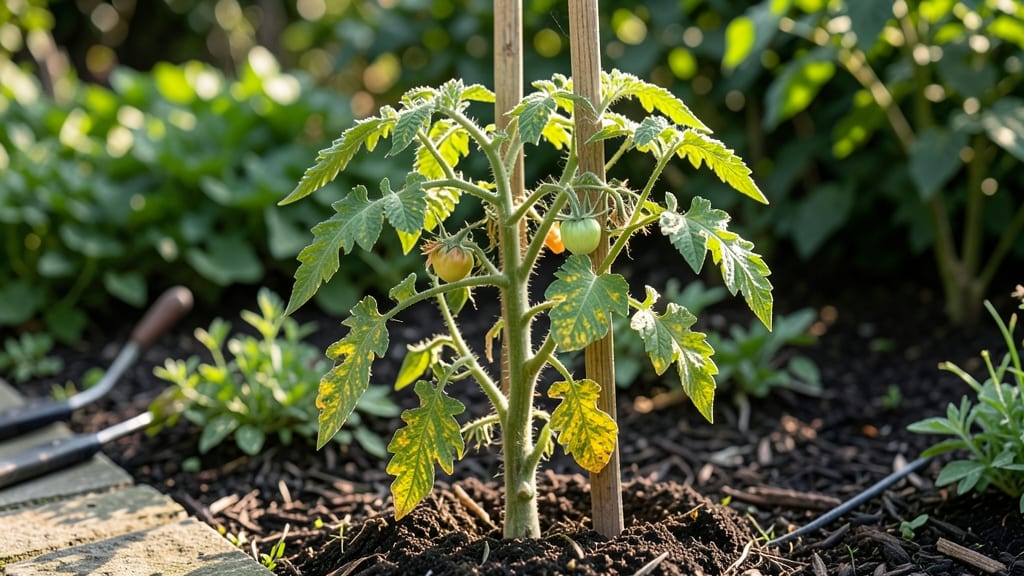
Tomato yellow leaf curl turns your thriving plants into sad, stunted shadows. 🌱 I’ve watched this virus ruin entire harvests in just weeks—until I discovered copper spray acts as a shield against the spread. The key is acting fast before those leaves curl and yellow beyond saving.
This isn’t just about yellowing or curled leaves—it’s a viral infection spread by aphids, and once it takes hold, your plants waste energy fighting instead of producing fruit. The good news?
Copper spray disrupts the virus’s ability to spread, giving your tomatoes a fighting chance when applied correctly. Think of it as a force field for your garden.
You’ll spot the damage first on younger leaves, which twist upward and lose their vibrant green. Stems may thicken unnaturally, and new growth stalls entirely. But with copper spray applied every 7–10 days during peak aphid season, you can slow—or even stop—the virus from taking over your crop.
Works best when combined with removing infected plants immediately and introducing beneficial insects like ladybugs. The faster you act, the more tomatoes you’ll save—and that first ripe fruit after treatment is worth every minute of prevention.
Root Causes Of Leaf Discoloration
When your tomato plants start showing signs of yellowing and curling leaves, it’s often a cry for help from the plant itself. Understanding the underlying causes is the first step in restoring your garden’s health.
Below, we break down the most common reasons why this happens, backed by science and practical insights.
The most notorious culprit behind tomato yellow leaf curl is the Tomato Yellow Leaf Curl Virus (TYLCV), a plant pathogen spread by Bemisia tabaci (whiteflies). This virus disrupts the plant’s phloem—the vascular system responsible for transporting nutrients and sugars. As the virus replicates, it clogs these pathways, causing:
- Stunted growth – The plant can’t distribute nutrients efficiently, leading to weak stems and small leaves.
- Leaf curling upward – A defensive response to reduce water loss, but it also limits photosynthesis.
- Yellowing veins – Chlorophyll breakdown accelerates as the virus interferes with nutrient absorption.
How to spot it: Look for whiteflies on the undersides of leaves or a thick, leathery texture in curled leaves. Unlike nutrient deficiencies, viral symptoms worsen over time and aren’t reversible with fertilizers.
Whiteflies aren’t the only pests contributing to leaf curl—they’re just the most aggressive spreaders. Other insects like aphids and thrips can transmit viruses or directly damage leaves, triggering stress responses:
- Aphids inject toxins while feeding, causing crinkled, yellowed leaves and sticky honeydew residue.
- Thrips scrape plant cells, leading to silver streaks on leaves and stunted growth.
- Spider mites (in dry conditions) create fine webbing and yellow speckling, though they don’t transmit viruses.
Actionable tip: 💡 Use a blue sticky trap near plants to monitor whitefly populations. If pests are present, isolate infected plants immediately to prevent spread.
While viruses are the primary cause of yellow leaf curl, nutrient imbalances can mimic or worsen symptoms. The most critical deficiencies include:
| Nutrient | Symptoms | Why It Happens |
|---|---|---|
| Magnesium (Mg) | Yellowing between leaf veins (interveinal chlorosis), starting on older leaves. | Magnesium is central to chlorophyll production. Poor soil structure or overwatering leaches it away. |
| Potassium (K) | Yellowing edges and tips of leaves, curling, and weak stems. | Potassium regulates water and disease resistance. Over-fertilizing with nitrogen or drought stress depletes it. |
| Nitrogen (N) | Overall pale yellowing (uniform chlorosis), stunted growth. | Nitrogen is essential for leaf protein synthesis. Leaching or poor soil microbes limit availability. |
Test your soil: 🌡️ Use a DIY soil test kit or send a sample to a local extension service. If deficiencies are confirmed, amend soil with compost or targeted fertilizers (e.g., Epsom salt for magnesium, potassium sulfate for K).
Extreme or fluctuating conditions can trigger leaf curl even without pathogens. Key stressors include:
- Heat stress – Temperatures above 90°F (32°C) cause protein denaturation in leaves, leading to curling and yellowing. Tomatoes are sensitive to sudden heat spikes.
- Waterlogging or drought – Both disrupt root function. Overwatering suffocates roots, while drought forces leaves to curl to conserve moisture.
- Wind damage – High winds desiccate leaves, causing edges to brown and curl inward.
- Poor air circulation – Humid, stagnant air promotes fungal growth (like early blight) and pest infestations, indirectly causing leaf stress.
Quick fixes: ✨
- Provide shade cloth during heatwaves.
- Use mulch to regulate soil moisture.
- Prune plants for better airflow.
While less common than viruses, fungal pathogens like Alternaria solani (early blight) or Pseudomonas syringae (bacterial spot) can cause yellowing and curling:
- Early blight – Creates concentric rings on leaves, which then yellow and curl.
- Bacterial spot – Produces water-soaked lesions that turn yellow and necrotic.
How to distinguish: Fungal issues often appear later in the season and may have visible spores (black/fuzzy patches). Bacterial spots are raised and oily. 🔥 Remove infected leaves immediately and apply copper fungicide as a preventive barrier.
Fixing Yellowing Tomato Leaves Fast
If your tomato plants are showing signs of yellow leaf curl, don’t panic—there are practical ways to stop the spread and restore their health. The key is acting quickly and targeting the root causes, whether it’s viral infections, pests, or environmental stress.
Below, we break down the best fixes for each common trigger, plus prevention tips to keep your garden thriving.
Since Tomato Yellow Leaf Curl Virus (TYLCV) spreads via insects like whiteflies, copper-based sprays create a protective barrier that disrupts viral transmission. Here’s how to use it effectively:
🔥 Step 1: Choose the Right Copper Spray
Look for copper fungicide (like copper sulfate or copper hydroxide) labeled for viral disease prevention. Avoid homemade solutions—commercial sprays are safer and more effective.
🍳 Step 2: Apply as a Preventive Spray
- When: Spray every 7–10 days during peak whitefly season (spring to early summer).
- How: Mix according to label instructions (usually 1–2 tbsp per gallon of water).
- Coverage: Focus on undersides of leaves (where whiteflies hide) and stems.
👨🍳 Step 3: Combine with Physical Barriers
Use fine mesh row covers (17–20 mesh) to block whiteflies entirely. Install them before planting and remove only for pollination.
⏰ Step 4: Remove Infected Plants Immediately
If a plant shows severe curling or stunting, pull it up and destroy it (don’t compost!). Viruses don’t spread through soil, but removing hosts stops the cycle.
Whiteflies weaken plants and spread viruses. Here’s how to kick them out:
🔪 Step 1: Yellow Sticky Traps
- Hang yellow sticky cards near tomato plants to catch adult whiteflies.
- Replace traps every 2 weeks for maximum effectiveness.
🌡️ Step 2: Soap or Neem Oil Spray
- Mix 1 tsp mild liquid soap or 1 tbsp neem oil per quart of water.
- Spray directly on pests (focus on undersides) in the early morning or evening to avoid harming bees.
🎯 Step 3: Introduce Beneficial Insects
Ladybugs, lacewings, and parasitic wasps (like Encarsia formosa) eat whiteflies naturally. Buy them from garden centers or attract them with dill, fennel, or marigolds as companion plants.
Yellowing leaves can also signal overwatering, underwatering, or nutrient deficiencies. Fix these with simple adjustments:
📊 Step 1: Check Soil Moisture
- Too wet? Let soil dry slightly between waterings. Improve drainage with compost or perlite.
- Too dry? Water deeply at the base (avoid wetting leaves to prevent fungal issues).
💪 Step 2: Fertilize Properly
- For yellowing lower leaves (oldest leaves): Likely nitrogen deficiency. Use a balanced fertilizer (10-10-10) or compost tea.
- For yellowing new leaves (young leaves): Could be magnesium or iron deficiency. Apply Epsom salt (1 tbsp per gallon of water) or a chelated iron spray.
🥗 Step 3: Prune for Airflow
Overcrowded plants trap moisture and attract pests. Prune suckers and lower leaves to improve airflow and sunlight penetration.
Stop the problem before it starts with these proactive steps:
- ✅ Rotate crops – Avoid planting tomatoes (or other solanaceous plants like peppers/eggplants) in the same spot yearly.
- ✅ Start with healthy seedlings – Buy virus-tested plants from reputable nurseries.
- ✅ Monitor whiteflies weekly – Check undersides of leaves with a magnifying glass.
- ✅ Use reflective mulch – Aluminum mulch confuses whiteflies and reduces landings.
- ✅ Avoid overhead watering – Water at the base to keep foliage dry and deter pests.
With these solutions, you can reverse yellow leaf curl and protect your tomato harvest. Act fast, stay consistent, and your plants will bounce back stronger than ever!
Frequently asked questions
Why do my tomato leaves curl and yellow so suddenly?
The most common cause is the Tomato Yellow Leaf Curl Virus (TYLCV), spread by whiteflies. This virus clogs the plant’s vascular system, causing leaves to curl upward and yellow within days. Check the undersides of leaves for tiny whiteflies—if you see them, that’s your culprit.
Can copper spray really stop the virus from spreading?
Yes! Copper fungicide creates a protective barrier that disrupts viral transmission when applied every 7-10 days. Focus on leaf undersides where whiteflies hide. Combine it with removing infected plants immediately to break the virus cycle. It won’t cure existing infections but prevents further spread.
What’s the difference between viral leaf curl and nutrient deficiency?
Viral symptoms worsen over time and appear on new growth first, while deficiencies start on older leaves. Viral curling is often paired with thickened stems and stunted growth. Nutrient issues (like magnesium deficiency) cause yellowing between veins—test your soil to confirm.
Will removing infected plants save my other tomatoes?
Viruses don’t spread through soil, but removing infected plants stops the whitefly food source and breaks the transmission cycle. Burn or bag infected plants (don’t compost them) and isolate new plants for 2 weeks to prevent reinfection.
Can I still harvest tomatoes from infected plants?
Only eat tomatoes from uninfected parts of the plant—new growth may still be safe. However, infected plants will produce smaller, deformed fruit with poor flavor. For best results, remove severely infected plants before they set fruit to redirect energy to healthier plants.