
Planting
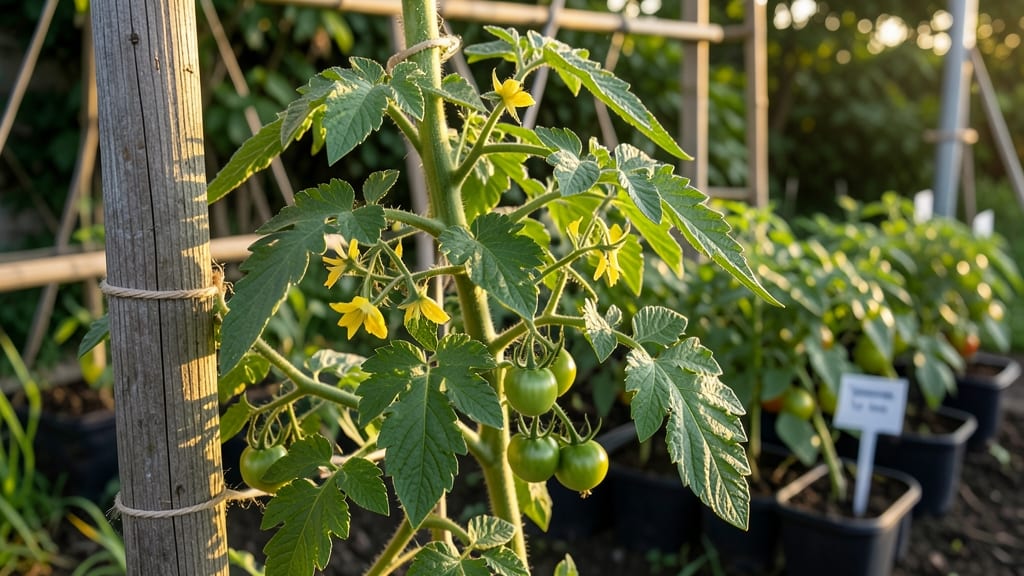
To buy a tomato plant, your best options are local garden centers, big-box stores like Home Depot or Lowe’s, or online retailers such as Burpee, Bonnie Plants, or Etsy for heirloom varieties. Always inspect seedlings for strong stems and vibrant leaves before purchasing.
Local nurseries often carry healthier, region-specific varieties that adapt better to your climate, while big-box stores offer convenience and wider availability during peak seasons. 🌱 Online retailers let you access rare heirloom types year-round, but shipping can stress delicate plants—always check reviews for shipping practices.
I recommend buying from trusted sources with good return policies, especially if ordering early or late in the season.
For in-store shopping, focus on seedlings with deep green leaves and no yellowing, as these signs indicate disease or poor health.
If buying online, look for sellers that specialize in organic or disease-resistant varieties, and don’t hesitate to ask about growing conditions or care tips—they often provide valuable insights for your first harvest.
💡 In This Article
- Best Places to Buy Healthy Tomato Seedlings
- Online vs. In-Store Tomato Plant Shopping Guide
Best places to buy healthy tomato seedlings
Local garden centers and specialty nurseries remain the gold standard for purchasing tomato plants because they offer varieties specifically bred for your region's climate and soil conditions. These plants are often grown in controlled environments with organic practices, reducing exposure to pesticides or fungicides.
For example, a nursery in Florida might carry heat-tolerant varieties like 'Solar Fire' or 'Heatmaster,' while one in California could specialize in drought-resistant types such as 'Mountain Merit' or 'Better Boy.' The key advantage is immediate access to plants that have already adapted to your local growing season.
When inspecting seedlings, focus on three critical indicators of health: leaf condition, stem strength, and root structure. Healthy tomato plants should have deep green, slightly waxy leaves without brown edges or yellowing—these are early signs of nutrient deficiencies or disease.
The stem should feel firm when gently squeezed, not hollow or mushy, which indicates rot. For root health, gently tug on the plant; if it resists with a slight pull, the roots are well-developed.
Avoid plants with white, fuzzy growth (powdery mildew) or dark spots (early blight), as these are common fungal issues that can spread quickly in your garden.
Big-box stores like Home Depot or Lowe's provide convenience and wider availability during peak planting seasons (typically late spring), but their selection often leans toward popular hybrid varieties like 'Celebrity' or 'Early Girl.'
These stores frequently receive plants from large commercial growers, which means they may arrive slightly stressed from transportation. To mitigate this, look for plants in well-lit sections of the store and avoid those with wilting leaves or stems that bend easily.
Pro tip: Ask store employees about their plant care practices—some locations even offer free consultations on tomato varieties suited to your zip code.
Online retailers like Burpee and Bonnie Plants excel in offering rare heirloom varieties and disease-resistant hybrids that might not be available locally. Their shipping practices have improved dramatically, with many now using insulated packaging and overnight shipping during extreme temperatures.
For example, Burpee's 'Brandywine' heirloom plants are prized for their beefsteak tomatoes but require careful handling. Always check the seller's return policy—reputable nurseries offer full refunds or replacements if plants arrive damaged or diseased.
Online reviews often highlight whether plants arrive with roots bound in plastic (which can restrict growth) or in biodegradable pots that encourage root development.
Seasonal timing plays a crucial role in where you should buy. Early spring shoppers should turn to local nurseries for the freshest stock, while late-season gardeners might need to order online to extend their growing window.
Some nurseries even offer "plant of the week" programs where you can order specific varieties by mail. If you're planting in a warm climate, you might find year-round availability at local markets, but cooler regions will need to rely on online orders for early starts.
Remember: plants shipped during heatwaves or cold snaps often arrive stressed, so adjust your planting timeline accordingly.
For organic gardeners, seek out certified organic nurseries or specialty growers who use compost-based soils and biological pest controls. These plants may cost slightly more but will give you a head start on building healthy soil in your garden.
Always ask about the growing medium used—peat-based mixes can be less sustainable, while coconut coir or compost blends are more eco-friendly. The extra effort in sourcing quality plants pays off with stronger yields and fewer pest issues throughout the growing season. 🌱