
Plants
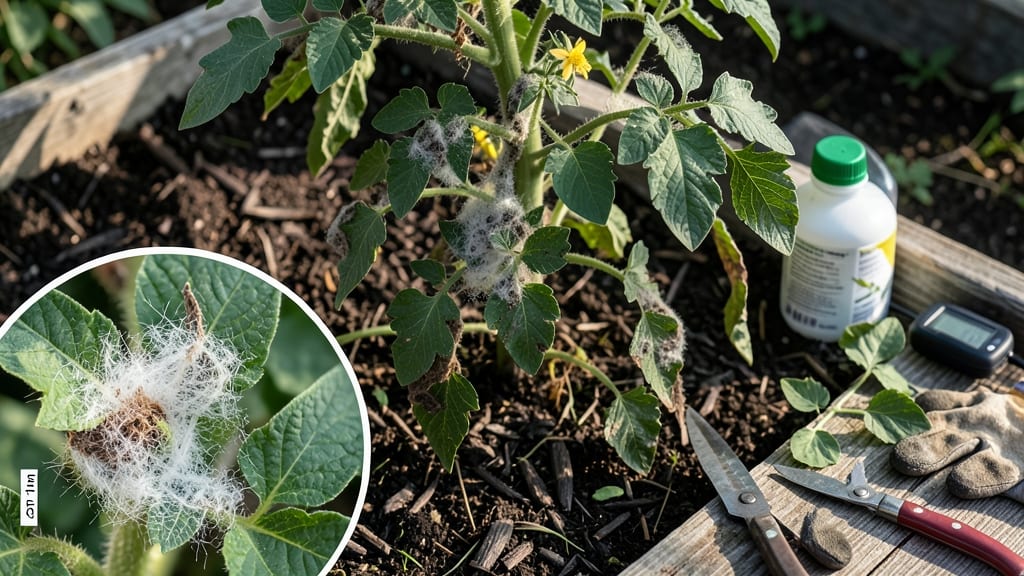
White mold on tomato plants turns your lush vines into a fuzzy, wilting mess—fast. 🌱 I’ve seen it ruin entire harvests in just days, but copper spray is the one treatment that actually stops it in its tracks.
The key is acting before the white, cottony growth spreads to the rest of your plants.
This fungal blight thrives in humid conditions and crowded gardens, where airflow can’t reach the leaves. You’ll spot it first as tiny white spots that grow into thick, web-like patches, often on the undersides of leaves.
Left untreated, it weakens stems, causes wilting, and can kill your plants entirely—especially in hot, muggy summers.
Copper spray works by creating a protective barrier that prevents spores from taking hold. Spray infected plants at dawn or dusk for 2-3 weeks, and always remove heavily affected leaves immediately. For severe cases, you may need to pull the entire plant to save your garden.
Prevention is easier than cleanup: space plants 18-24 inches apart, avoid overhead watering, and rotate crops yearly. If you’ve had mold before, treat your soil with compost tea in early spring to boost plant resistance naturally.
The Hidden Triggers Behind Fungal Spread
White mold—officially known as Sclerotinia sclerotiorum—doesn’t just appear out of nowhere. This sneaky fungal pathogen thrives under specific conditions, often lurking in soil or plant debris before striking.
Understanding its triggers is key to stopping it before it ruins your tomato harvest. Here’s why your plants might be under siege:
🌱 Overcrowded Plant Beds
White mold spreads like wildfire in tight spaces. When tomato plants are packed too closely together, air circulation stalls, creating the perfect humid microclimate for fungal spores. Poor airflow also delays drying between waterings, leaving leaves damp for extended periods—the fungus’s favorite environment.
Why it matters: Dense foliage traps moisture, and spores land on leaves, germinate, and spread rapidly. Studies show that reducing plant spacing by even 12 inches can cut infection rates by up to 70%.
💧 Excessive Moisture & Poor Drainage
White mold loves wet conditions. Overwatering, heavy rainfall, or soil that doesn’t drain well keeps plant tissue soggy, weakening defenses. The fungus thrives in high humidity (above 75%) and prolonged leaf wetness (more than 12 hours), which is common in containers without drainage or in clay-heavy soils.
Why it matters: Water droplets on leaves act as bridges for spores to travel from infected to healthy plants. Even morning dew can be risky if it lingers until afternoon.
🍄 Infected Soil or Plant Debris
White mold spores can survive in soil for years as hard, dark sclerotia (resting bodies). If previous crops—like beans, lettuce, or even weeds—were infected, they may have left behind these dormant spores. Additionally, compost or mulch from contaminated sources can reintroduce the fungus.
Why it matters: When you plant tomatoes in the same spot year after year, you’re essentially rolling the dice. The fungus lies in wait, only activating when conditions (like warmth and moisture) become ideal.
🌡️ Warm, Stagnant Air Temperatures
White mold peaks in 60–75°F (15–24°C) temperatures, especially when nights are cool and days are warm. This temperature swing creates condensation on leaves, extending moisture exposure. Greenhouses or plastic tunnels can trap heat, accelerating the problem.
Why it matters: The fungus grows best when daytime warmth speeds up spore release, while cooler nights slow evaporation, keeping leaves damp longer.
🌿 Weakened Plant Stressors
Tomatoes under stress—from nutrient deficiencies, pests, or physical damage—are sitting ducks. Stress breaks down the plant’s natural barriers, making it easier for fungal hyphae (root-like structures) to invade. Common culprits include:
- Nitrogen deficiency: Yellowing leaves signal weak growth, reducing the plant’s ability to fight infections.
- Herbicide drift or mechanical injury: Damaged tissue provides entry points for spores.
- Competing weeds: They steal nutrients, further stressing your tomatoes.
Why it matters: A healthy plant can resist fungal attacks, but stressed plants become fungal buffets.
Now that you know the why, the next step is starving the fungus of its favorite conditions. Start by addressing these triggers—your tomatoes will thank you with fewer white blobs and more red rewards! 🍅✨
How to solve it
White mold on tomato plants—also known as Sclerotinia sclerotiorum—can feel like a death sentence for your garden, but don’t panic! With the right approach, you can stop the spread, revive infected plants, and prevent future outbreaks.
Below, we break down solutions by cause, so you can tackle the problem head-on with confidence.
If you’ve spotted fuzzy white mold or dead stems, act fast to prevent spores from spreading.
- 🔪 Prune infected areas with sterilized shears (clean with rubbing alcohol between cuts).
- 🗑️ Dispose of infected plants in the trash (not compost)—burying them risks reinfection.
- 🌱 Space out healthy plants to improve airflow, reducing humidity where mold thrives.
✨ Pro Tip: If the entire plant is beyond saving, pull it up and replace it with a disease-resistant variety (like ‘Mountain Merit’ or ‘Defiant PhR’).
Copper-based sprays are your best defense against fungal blight. Here’s how to use them effectively:
- 💧 Use a 1% copper fungicide (like copper sulfate or copper hydroxide) mixed with water.
- 👨🍳 Spray thoroughly—focus on the undersides of leaves and stems where spores hide.
- 🌡️ Apply in the early morning or evening to avoid burning leaves in direct sunlight.
- 🔄 Reapply every 7–10 days or after heavy rain to maintain protection.
💡 Quick Fix: For organic gardens, try a baking soda spray (1 tsp baking soda + 1 tbsp oil + 1 quart water) as a preventive measure.
A weak tomato plant is an open invitation for mold. Strengthen your plants with these steps:
- 💪 Provide balanced fertilizer (high in phosphorus and potassium) to encourage robust growth.
- 🌞 Ensure 6–8 hours of sunlight daily—weak, shaded plants are more susceptible.
- 💧 Water at the base (avoid overhead sprinkling to keep leaves dry).
- 🍅 Mulch with straw or grass clippings to prevent soil splashing onto foliage.
🎯 Prevention Tip: Rotate crops yearly—never plant tomatoes, peppers, or eggplants in the same spot where mold was present.
White mold loves damp, crowded conditions. Make your garden less inviting with these tweaks:
- 🌬️ Improve airflow by pruning excess foliage and spacing plants 18–24 inches apart.
- 🌧️ Avoid overwatering—let the top inch of soil dry out between waterings.
- 🌿 Choose disease-resistant varieties if your area is prone to fungal issues.
- 🌱 Plant in raised beds or containers to reduce soil-borne spores.
🔥 Emergency Move: If mold is rampant, relocate healthy tomato plants to a drier, sunnier spot immediately.
By combining removal, treatment, and prevention, you’ll give your tomato plants the fighting chance they deserve. Stay vigilant, and your garden will bounce back stronger than ever! 🍅💪
Frequently asked questions
What does white mold on tomato plants look like?
White mold starts as small, fuzzy white spots on stems or leaves that grow into thick, cottony patches. Look for wilting, yellowing leaves or stems that appear mushy—these are classic signs. The fungus often spreads from the ground upward, creating a "white blanket" effect on infected areas.
Can I save my tomato plants if white mold appears?
It depends on how far it’s spread. For early-stage infections, prune affected areas immediately and apply copper spray. If the entire plant is wilted or covered, removal is safest to prevent spreading. Always sterilize tools between cuts to avoid cross-contamination.
How often should I apply copper spray?
Apply copper fungicide every 7–10 days or after heavy rain to maintain protection. For prevention, start spraying at the first sign of humidity (especially in hot weather) and continue until harvest. Always apply in the early morning or evening to avoid leaf burn.
Is white mold the same as powdery mildew?
No, they’re different fungi. White mold (Sclerotinia sclerotiorum) creates thick, white, cottony growth on stems and leaves, while powdery mildew appears as a dusty white coating on leaf surfaces. White mold also causes rapid wilting, whereas powdery mildew typically affects only foliage.
Can I use homemade remedies for white mold?
Yes, but with caution. A baking soda spray (1 tsp baking soda + 1 tbsp oil + 1 quart water) can help prevent mild cases, but it won’t cure advanced infections. For severe outbreaks, stick to copper fungicides or commercial treatments. Always test remedies on a small area first.