
Vegetables
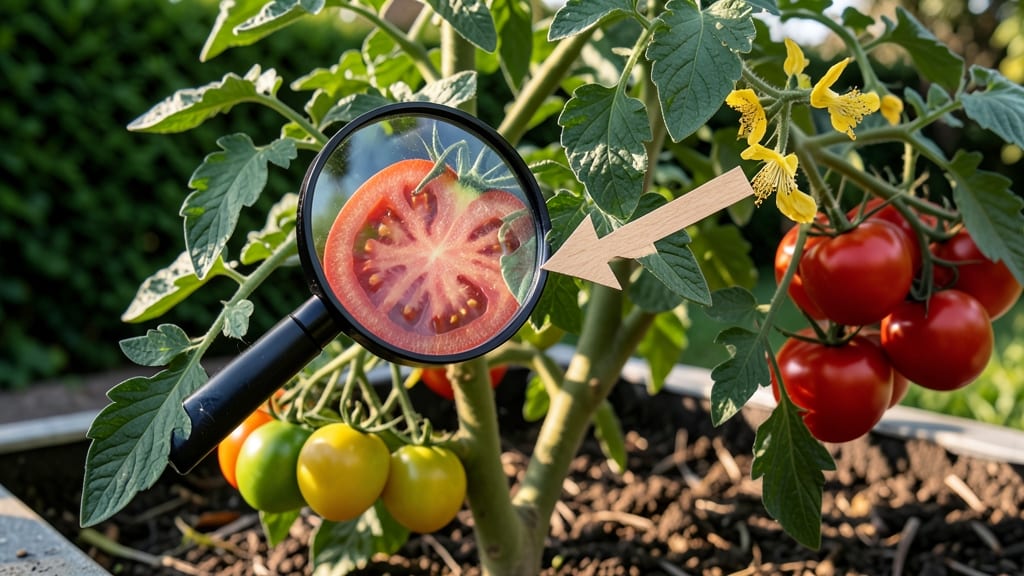
Tough tomato skins ruin the joy of a homegrown harvest. 🌱 The culprit is usually a mix of uneven watering, scorching sun, or nutrient imbalances—none of which are hard to fix once you know the science behind them.
I’ve turned my own rock-hard tomatoes into sweet, tender slices by making just a few adjustments, and you can too.
Uneven watering creates stress that thickens skins, while extreme heat forces plants to prioritize survival over flavor. Poor soil nutrition—especially low calcium—also plays a role, making skins tougher than they should be. The good news? These issues are all preventable with consistent watering, shade cloth, and a balanced fertilizer.
Start by watering deeply once a day (early morning is best) to keep roots happy and skins soft. Add 1 tablespoon of crushed eggshells per plant for extra calcium, and mulch to protect roots from heat spikes.
Within a few weeks, you’ll taste the difference—juicy, tender tomatoes that make canning and salads worth the effort.
This fix works for heirloom, cherry, and beefsteak varieties alike, so don’t let tough skins discourage you. A little consistency goes a long way toward that perfect summer tomato experience. Here’s how to keep it up all season long.
The Science Behind Tough Tomato Skins
If you’ve ever bitten into a tomato and been met with an unexpectedly tough, leathery skin, you’re not alone. The texture of tomato skins isn’t just a random quirk—it’s the result of a mix of biological, environmental, and even genetic factors.
Understanding these causes can help you pick, prepare, or even grow tomatoes that stay tender and delicious. Let’s break down the key reasons why tomato skins sometimes turn tough.
Not all tomatoes are created equal, and their skins reflect that. Some varieties are bred specifically for durability—whether for shipping, storage, or resistance to pests. For example:
- Heirloom vs. Hybrid Tomatoes: Heirloom tomatoes often have thinner, more delicate skins because they’re grown for flavor and texture. In contrast, hybrid varieties like Beefsteak or Roma may develop thicker, tougher skins as a natural defense mechanism against cracking or bruising.
- Skin Pigmentation: Tomatoes with deeper red or purple skins (thanks to higher levels of lycopene or anthocyanins) tend to have thicker cell walls, making them more resistant to softening. Lighter-skinned tomatoes, like Yellow Pear, often have softer, more tender skins.
Actionable Tip: If you’re after ultra-tender tomatoes, opt for heirloom varieties like Brandywine or Cherokee Purple. For cooking, where toughness is less noticeable, hybrids can still shine!
Tomatoes are sun-worshippers, but too much (or too little) of it can backfire when it comes to skin texture. Here’s how sunlight plays a role:
- Over-Ripening in the Sun: Tomatoes left on the vine too long under intense sunlight can develop a tough, almost waxy skin as a protective response to dehydration. This is especially common in hot, dry climates.
- Insufficient Ripening: On the flip side, tomatoes harvested green (before full ripeness) and then exposed to artificial light (like in grocery stores) may never soften properly. Their skins stay firm and leathery because the natural ripening process—triggered by ethylene gas—was interrupted.
- Uneven Sunlight: Tomatoes growing in partial shade or under dappled light (like in a garden with tall plants) may develop patchy, tough spots where sunlight was limited.
Actionable Tip: For home gardeners, harvest tomatoes when they’re fully colored but still slightly firm. Store them at room temperature to ripen naturally—never in the fridge! If you’re buying store-bought, look for tomatoes with even color and slight give when gently squeezed.
Water is the lifeblood of tomatoes, and fluctuations in moisture levels can turn their skins into an unexpected crunchy barrier. Here’s how:
| Issue | Effect on Skin | Why It Happens |
|---|---|---|
| Underwatering | Thick, leathery skin | When tomatoes don’t get enough water, their cells shrink, and the plant compensates by producing lignin—a tough, woody polymer—to prevent water loss. This makes the skin rigid. |
| Overwatering | Blossom-end rot (hard, dark spots) or uneven softness | Excess water dilutes nutrients in the soil, leading to calcium deficiencies. Without enough calcium, tomato cells can’t form properly, resulting in hard, corky patches or uneven texture. |
| Inconsistent Watering | Patchy toughness or cracking | Fluctuating moisture levels cause cells to expand and contract unpredictably, leading to uneven skin development and stress responses like tough spots. |
Actionable Tip: Tomatoes thrive with consistent moisture. Water deeply 1–2 times per week (depending on climate) and aim for 1–1.5 inches of water per week. Use drip irrigation to avoid wetting the leaves, which can cause disease and uneven ripening.
Tomatoes are tropical plants at heart, and they hate being pushed outside their comfort zone. Extreme temperatures can trigger a survival mode that results in tough skins:
- Heat Stress: Temperatures above 90°F (32°C) can cause tomatoes to shut down their normal growth processes. Instead of softening, their skins produce more cutin (a waxy substance) to retain moisture, leading to a hard, almost rubbery texture.
- Cold Stress: Tomatoes exposed to below 50°F (10°C) before ripening may develop hard, starchy skins because their enzymes slow down. This is why store-bought tomatoes often feel tough—they’re harvested green and ripened in cold storage.
- Temperature Swings: Rapid changes (like a hot day followed by a cold night) can cause uneven ripening, leading to some areas of the skin staying tough while others soften.
Actionable Tip: If you’re growing tomatoes, protect them from extreme heat with shade cloth or mulch. For cold-sensitive varieties, use row covers or grow them in containers that can be moved indoors. When buying, choose tomatoes that haven’t been refrigerated—look for those labeled “vine-ripened.”
Even the most perfect tomato can end up with tough skin if it’s mishandled after the vine. Here’s how:
- Pulling vs. Cutting: Twisting or pulling tomatoes from the vine can damage the stem end, causing the skin to harden as a protective response. Always cut stems with scissors to avoid stress.
- Bruising or Dropping: Physical damage triggers the production of phenolic compounds, which can make the skin around bruises tough and bitter.
- Storage Mistakes: Keeping tomatoes in the fridge (below 50°F) halts their ripening process, leaving skins firm and unyielding. Even worse, ethylene gas (which softens skins) can’t work if the tomato isn’t at room temperature.
Actionable Tip: Handle tomatoes with care—don’t stack them or store them near ethylene-sensitive fruits (like apples or bananas). If you must refrigerate, do so only after the tomato is fully ripe and use it within a few days.
Fixing Tough Tomato Skins Naturally
Tough tomato skins can turn a delicious meal into a frustrating chewfest—but don’t toss them out just yet! The good news is that most causes have simple, science-backed fixes. Whether your tomatoes are underripe, overripe, or just genetically tough, these solutions will help you salvage them for cooking or eating.
Below, we’ve matched common causes to practical fixes, plus prevention tips to keep your tomatoes tender in the future.
Cause: Tomatoes picked too early (often for shipping) lack natural sugars and enzymes, making their skins tough and seedy.
How to Fix It:
- 🔥 Roast or Grill Them – Heat breaks down cell walls, softening skins and intensifying flavor. Toss halved tomatoes on a baking sheet, drizzle with olive oil, and roast at 400°F (200°C) for 20–30 minutes until caramelized.
- 🍳 Simmer in Sauce – Blend roasted tomatoes with garlic, onions, and herbs, then simmer into a rich sauce. The cooking process softens the skins naturally.
- 👨🍳 Slow-Cook or Braise – Tough tomatoes shine in slow-cooked dishes like stews or soups. Add them whole, then remove skins after cooking if desired.
Prevention Tip: 💡 Wait for Ripeness – If possible, buy fully ripe tomatoes (deep red, slightly soft to the touch) or let green tomatoes ripen at room temperature for 3–5 days.
Cause: Overripe tomatoes lose structural integrity, making skins thin and prone to breaking—but they can still be saved!
How to Fix It:
- 🥘 Blend Into Salsa or Sauce – Overripe tomatoes are perfect for sauces, soups, or salsas. Peel if needed (see below), then blend with lime, cilantro, or basil to brighten flavors.
- 🔪 Peel Carefully – For whole tomatoes, score an "X" on the bottom, blanch in boiling water for 30 seconds, then shock in ice water. The skins will slip off easily.
- 🎯 Freeze for Later – Puree overripe tomatoes, freeze in ice cube trays, and store in a bag. Thaw and use in smoothies, soups, or pasta sauces.
Prevention Tip: 🌡️ Store Properly – Keep tomatoes at room temperature (not in the fridge) to slow ripening. Once ripe, refrigerate to extend shelf life without overripening.
Cause: Some heirloom or hybrid tomatoes (like Roma or beefsteak) have thicker skins by design.
How to Fix It:
- 🍎 Cook with Acids – Add a splash of vinegar, lemon juice, or wine to dishes (like marinara or chutneys) to break down pectin in the skins, making them more tender.
- 🔪 Score Before Cooking – Use a knife to lightly score the skins in a crosshatch pattern before roasting or grilling. This helps flavors penetrate and skins soften faster.
- 💪 Blend into Pesto or Relish – Tough-skinned tomatoes work great in pesto (with basil, nuts, and Parmesan) or relish (with onions, spices, and vinegar).
Prevention Tip: ✨ Choose the Right Tomato – For slicing, opt for varieties like Cherry or Beefmaster. For cooking, Roma or San Marzano tomatoes hold up well but may need longer cooking.
| Problem | Quick Fix | Prevention |
|---|---|---|
| Bitter or Astringent | Soak in saltwater (1 tsp salt per cup) for 10 mins, then rinse. | Avoid green or sunburnt tomatoes. |
| Mealy or Watery | Simmer in broth or stock to reabsorb moisture. | Store in a cool, dry place. |
| Uneven Ripeness | Roast with a drizzle of honey or maple syrup to balance flavors. | Harvest when uniformly colored. |
Final Pro Tip: 🔥 Embrace the Skin! – Tough skins often mean more flavor and nutrients (like lycopene). If peeling isn’t an option, cook tomatoes whole—skins soften as they release their goodness into dishes. For example, whole roasted tomatoes in a pasta add depth without extra work.
With these fixes, you’ll never let tough tomato skins ruin your meal again. Happy cooking! 🍅✨
Frequently asked questions
Why do heirloom tomatoes sometimes have tougher skins than hybrids?
Heirloom tomatoes often develop thicker skins as a natural defense against pests and environmental stress. Their skins contain more lycopene (the red pigment), which also makes them more resistant to softening. Hybrids, bred for durability, may have tougher skins to prevent cracking during transport, while heirlooms prioritize flavor over texture. Choose Brandywine or Sun Gold for tender heirloom options.
Can I fix tough tomato skins by cooking them longer?
Yes! Heat breaks down pectin in the skins, making them softer. Roast tough tomatoes at 400°F (200°C) for 20-30 minutes with olive oil, or simmer in sauces for 15+ minutes. For extra tenderness, add a splash of vinegar or lemon juice to break down pectin faster. This works especially well for Roma or beefsteak varieties.
Why do store-bought tomatoes often have tough skins?
Commercial tomatoes are harvested green and ripened with ethylene gas in cold storage, which halts natural softening. Their skins stay firm to prevent bruising during shipping. Look for "vine-ripened" labels or pick tomatoes that yield slightly when gently squeezed—these will have softer skins. Avoid refrigerated tomatoes, as cold temperatures further harden their texture.
Does mulching help prevent tough tomato skins?
Mulching with straw or grass clippings keeps soil moisture consistent, preventing the stress that causes tough skins. It also protects roots from extreme heat or cold, which triggers survival mechanisms like cutin production (a waxy substance that hardens skins). Apply 2-3 inches of mulch around plants, keeping it 6 inches away from stems to avoid rot.
Can I peel tough tomato skins before eating?
Yes, but it’s easier after cooking. For raw tomatoes, score an "X" on the bottom, blanch in boiling water for 30 seconds, then shock in ice water—the skins will slip off. For cooked tomatoes, simply peel after roasting or simmering. Pro tip: Tough skins often mean more flavor, so consider leaving them in soups or sauces where they’ll soften naturally.