
Plants
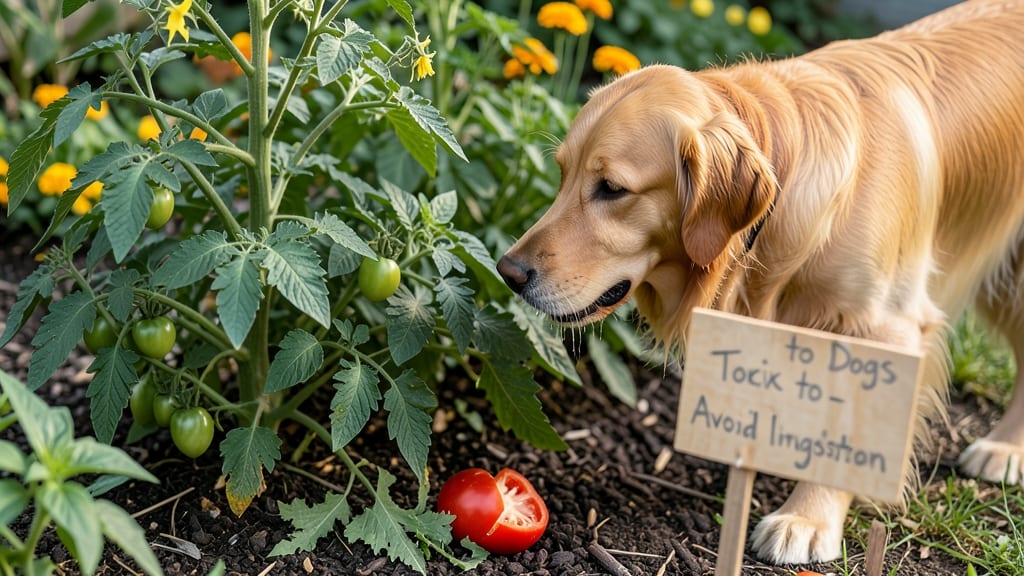
Tomato plants are bad for dogs because their leaves, stems, and unripe fruit contain solanine and tomatine, which can cause toxicity in large amounts. Ripe tomatoes are safer but still carry risks, particularly from the green parts. Watch for symptoms like vomiting, diarrhea, or lethargy, which require immediate vet attention if severe.
Tomato plants pose a real danger to dogs due to the natural compounds solanine and tomatine, which act as pesticides in the plant. 🐕 These chemicals primarily concentrate in the leaves, stems, and unripe fruit, making them particularly hazardous if ingested.
Even ripe tomatoes contain trace amounts, though the risk is lower. The key is monitoring your dog's behavior—small exposures might cause mild stomach upset, but larger amounts can lead to more serious neurological symptoms.
If you're growing tomatoes at home, consider placing them in elevated planters or using pet-safe barriers to keep curious pups away.
For pet owners, the best approach is prevention. Choose dog-friendly alternatives like basil or marigolds for companion planting, and always supervise your dog around garden areas.
If you suspect your dog has eaten any part of a tomato plant, contact your vet immediately—early intervention can make all the difference in recovery.
💡 In This Article
- Toxic Components in Tomato Plants: Solanine and Tomatine Explained
- Safe Gardening Practices to Protect Dogs Around Tomato Plants
Toxic components in tomato plants: solanine and tomatine explained
Tomato plants produce two key toxins: solanine and tomatine, both belonging to the glycoalkaloid family. These compounds act as natural pesticides, protecting the plant from insects and fungal infections.
Solanine primarily concentrates in the leaves and stems, where levels can reach 0.01-0.05% of dry weight—enough to cause issues if ingested in significant quantities. Tomatine, found in both green fruit and foliage, has a similar structure but binds differently in a dog's system, often leading to more severe gastrointestinal reactions.
The danger escalates with plant maturity. Green tomatoes contain 2-5 times more tomatine than ripe red ones, while the stems and leaves have the highest concentrations. For example, a 100-gram serving of tomato leaves could contain enough solanine to cause mild toxicity in a 20-pound dog.
Ripe red tomatoes have trace amounts, but the green shoulders and stems remain hazardous—think of them as the plant's "warning labels" for pets. The toxins work by interfering with acetylcholine receptors in the nervous system, potentially causing muscle weakness or confusion.
Symptoms typically appear within 6-24 hours after ingestion and range from mild (drooling, vomiting) to severe (seizures, dilated pupils). The severity depends on both the amount consumed and the dog's size—smaller dogs are more vulnerable due to their lower body weight.
For context, a 1-pound (450g) ingestion of tomato leaves could trigger symptoms in a 10-pound dog, while a 5-pound (2.3kg) ingestion might affect a 50-pound dog. The key is recognizing early signs before the toxins affect the nervous system.
Here's how the toxins affect dogs differently based on plant part:
- Leaves/Stems: Highest solanine content (0.03-0.05% dry weight)—can cause rapid gastrointestinal distress and neurological symptoms
- Green Tomatoes: Tomatine levels 3x higher than ripe fruit; may cause drooling and lethargy within hours
- Ripe Fruit (Red): Safe in small amounts (e.g., 1-2 slices as a treat), but stems/leaves remain dangerous
What most pet owners don't realize is that even small exposures can accumulate. For instance, a dog that nibbles tomato leaves daily over a week might develop a tolerance to some effects, but the cumulative exposure still poses risks.
The safe threshold is essentially zero green parts—ripe tomato flesh in moderation is the only truly safe option. 🐾
If you're growing tomatoes, remember that the plant's entire lifecycle poses risks. Seedlings, flowering plants, and even fallen leaves contain toxic compounds. The best practice is to treat tomato plants like you would poisonous houseplants—completely off-limits to pets.
For visual reference, think of tomato plants as having "three danger zones": the leaves (most toxic), the stems (equally hazardous), and the unripe fruit (middle ground).