
Planting
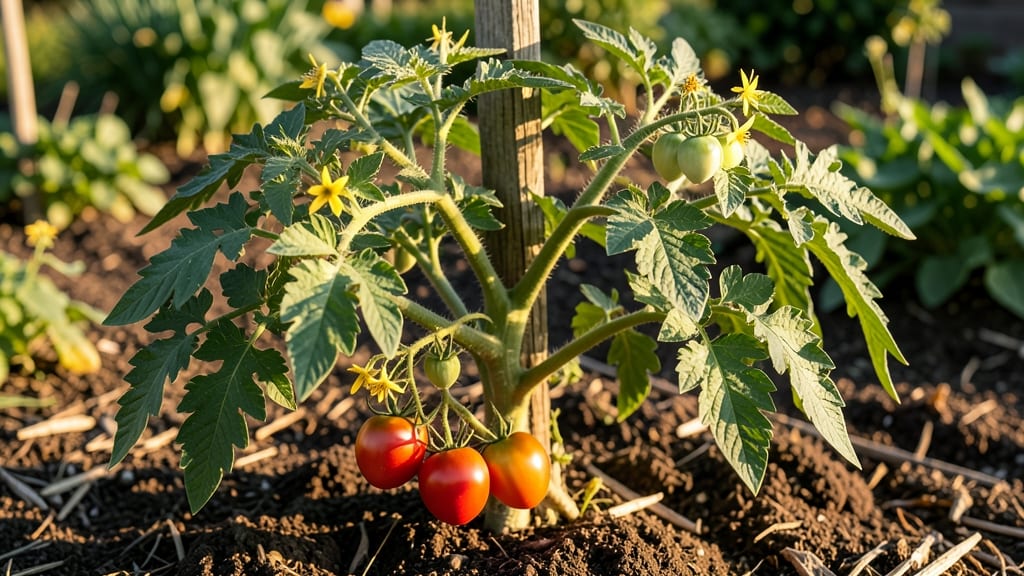
Your tomato plant will produce fruit once it reaches 5-7 true leaves and begins flowering, but the exact timing depends on variety, care, and growing conditions.
Wondering why your tomato plant is still just growing leaves instead of fruit? The answer lies in understanding its growth stages—and counting those leaves could be the key to predicting your harvest timeline!
Most 🍅 tomato varieties need 60-90 days from transplant to fruit, but if yours is taking longer, it might need more sunlight, balanced fertilizer, or protection from pests. Below, I’ll break down the leaf-count stages, common delays, and how to speed things up.
You’ll learn how to track progress, troubleshoot issues, and give your plant the exact conditions it needs to start bearing those juicy tomatoes sooner than you think.
Tomato plant growth stages by leaf count: when to expect fruit
Tracking your tomato plant's leaf count is the easiest way to predict when those juicy fruits will appear. Most gardeners miss the critical transition points between vegetative growth and flowering, which directly impacts your harvest timeline.
Understanding these stages helps you adjust care—like pruning or fertilizing—to encourage fruit production at the right moment.
Tomato plants fall into two main categories: determinate (bush varieties) and indeterminate (vining types). Determinate plants stop growing at a set height and produce fruit all at once, while indeterminate varieties keep growing and fruit continuously.
Leaf count helps you identify which stage your plant is in, regardless of its type.
Here’s how leaf count correlates with growth stages and when to expect fruit:
| Growth Stage | Leaf Count | Key Features | Expected Fruit Timeline |
|---|---|---|---|
| Seedling | 1-3 leaves | Small, tender leaves; no flowers | No fruit (focus on hardening off) |
| Vegetative Growth | 4-8 leaves | Rapid leaf production; sturdy stems | No fruit (plant builds foliage) |
| Early Flowering | 9-12 leaves | First flower buds appear in leaf axils | Fruit in 4-6 weeks (if buds set) |
| Flowering Stage | 13-16 leaves | Open flowers and small green fruits | Fruit in 2-4 weeks (harvest-ready) |
| Fruiting Stage | 17+ leaves | Mature flowers; fruit development accelerates | Continuous harvest (indeterminate) or all-at-once (determinate) |
If your determinate tomato reaches 16 leaves without flowering, it may be stressed by low light or nutrient deficiencies. Move it to full sun (6+ hours daily) and add a balanced fertilizer (10-10-10) to encourage blooming.
Indeterminate varieties, like Sungold cherry tomatoes, often flower earlier—sometimes as early as 10 leaves—because they prioritize continuous growth.
Temperature plays a huge role in fruit set. Tomato flowers need daytime temps between 70-85°F to pollinate properly. If nights dip below 55°F, flowers may drop before setting fruit.
Use row covers or shade cloth in extreme heat to protect blooms. Prune suckers (side shoots) to redirect energy to fruit production once flowering begins.
Patience is key! Even with ideal conditions, determinate varieties like Roma tomatoes take 60-70 days from transplant to harvest, while indeterminate types like Brandywine can produce fruit for months.
Track your plant’s leaf count weekly—this simple habit removes the guesswork and helps you time your garden tasks perfectly for a bountiful harvest.
Pro tip: Count leaves from the main stem only (ignore suckers). For example, a 12-leaf plant with flower buds is ready for a light fertilizer boost to support early fruit. Adjust your watering too—deep soaks every 3-5 days prevent blossom-end rot, a common issue when plants struggle to set fruit.
🌱
How many leaves before tomatoes appear: variety-specific timelines
If you're eagerly waiting for those juicy tomatoes but your plant is just putting out leaves, don't panic! The number of leaves before fruit appears varies wildly by variety.
For example, cherry tomatoes might start fruiting with just 6-8 leaves, while heirloom beefsteaks could need 12-15 leaves before flowering. Understanding these timelines helps you set realistic expectations and troubleshoot delays.
Environmental factors like sunlight exposure and temperature play huge roles in accelerating or delaying fruit production. A Roma tomato planted in full sun might fruit faster than one in partial shade, while cool nights can stall flowering entirely.
Let's break down the leaf counts for popular varieties and what you can do to encourage earlier fruiting.
| Variety | Leaf Count Before Fruit | Days to First Fruit | Ideal Conditions |
|---|---|---|---|
| Cherry Tomatoes (Sweet 100) | 6-8 leaves | 45-55 days | Full sun, warm soil |
| Beefsteak (Brandywine) | 12-15 leaves | 70-85 days | Consistent warmth, staking |
| Roma (Plum) | 8-10 leaves | 60-70 days | Balanced fertilizer, pruning |
| Early Girl | 7-9 leaves | 50-60 days | Cool-tolerant, full sun |
| Sun Gold (Cherry) | 5-7 leaves | 40-50 days | Heat-resistant, trellis |
For indeterminate varieties like cherry tomatoes, you'll see continuous fruiting once they start, but only after reaching their leaf count threshold. Determinate types, such as Roma tomatoes, produce fruit in a single flush after hitting their leaf target.
If your plant is taking longer than expected, check for adequate sunlight—tomatoes need 6-8 hours daily to flower and fruit efficiently.
Temperature also impacts leaf-to-fruit timing. Cool nights below 55°F (13°C) can delay flowering, while consistent warmth above 70°F (21°C) speeds things up. If your area experiences unpredictable weather, consider using row covers to maintain stable temperatures. Additionally, balanced fertilization with phosphorus-rich supplements (like 5-10-10) encourages faster flowering.
Once your tomato plant hits its leaf count and starts flowering, you'll notice tiny yellow blooms forming in the leaf axils. These flowers will turn into fruit within 7-14 days, depending on variety and conditions.
To maximize your harvest, prune suckers (the shoots between stems and leaves) to redirect energy toward fruit production. With the right care, you'll be enjoying homegrown tomatoes in no time!
🌱