
Companion Plants
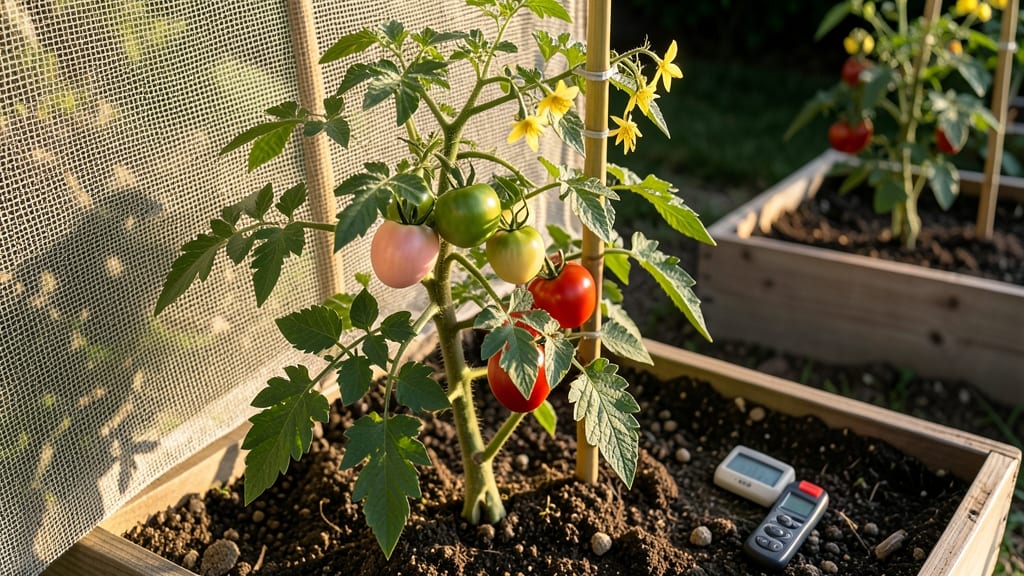
Do tomato plants need shade? While they thrive in full sun, some shade can be beneficial—especially in extreme heat or specific climates—but too much stunts growth and reduces fruit production.
Picture this: your 🍅 seedlings stretching toward the light, only to wilt under the midday glare or languish in a shady corner. Sunlight is non-negotiable for tomatoes, but the right balance keeps them from burning or struggling. The trick? Understanding when shade helps—and when it hurts.
Most tomato varieties crave 6 to 8 hours of direct sun daily, but heat-tolerant types like ‘Heatmaster’ or ‘Solar Fire’ can handle partial shade in scorching afternoons. Meanwhile, seedlings and flowering plants need gentle protection from intense rays, while fruiting vines thrive with full exposure.
Get the mix wrong, and you risk sunburn, poor pollination, or even dropped blossoms.
In this guide, I’ll break down the ideal light needs by variety and growth stage, plus practical shade strategies for hot climates and common mistakes that sabotage tomato plants—so you can grow bigger, healthier fruit all season long.
 Best Window Placement
Tomato light requirements by variety: full sun vs. partial shade needs
Most tomato varieties thrive in full sun (6-8 hours daily), but their exact light needs vary by type. Determinate tomatoes (bush varieties) tolerate slightly less sun than indeterminate types (vining plants).
Heat-tolerant varieties like 'Solar Fire' or 'Heatmaster' can handle partial shade (4-6 hours) in scorching climates, while heirlooms often demand more light. Understanding these differences ensures your plants grow strong and produce fruit efficiently.
Seedlings need gentle morning sun to prevent scorching, while mature plants crave direct afternoon light for sweet fruit development. Partial shade becomes crucial during peak summer heat or in high-humidity regions to prevent sunburn.
Even shade-adapted varieties won't set fruit well with less than 4 hours of light daily, so balance is key.
Here’s a quick reference for tomato light needs by variety and growth stage:
| Variety Type | Ideal Sunlight | Seedling Stage | Flowering/Fruiting | Shade Tolerance |
|---|---|---|---|---|
| Determinate (Bush) | 6-8 hours | 3-4 hours (dappled) | 6+ hours (full sun) | Moderate (4-6 hrs in heat) |
| Indeterminate (Vining) | 8+ hours | 4-6 hours (protected) | 8+ hours (full sun) | Low (sunburn risk) |
| Heat-Tolerant (e.g., 'Solar Fire') | 6-8 hours | 3-5 hours (shade cloth) | 6+ hours (partial shade OK) | High (4-6 hrs in 90°F+) |
| Cherry Tomatoes (e.g., 'Sweet 100') | 8+ hours | 4-6 hours (gentle light) | 8+ hours (full sun) | Low (fruiting suffers) |
| Heirlooms (e.g., 'Brandywine') | 8+ hours | 3-5 hours (shade cloth) | 8+ hours (full sun) | Low (needs consistent light) |
For determinate tomatoes, like 'Roma' or 'Celebrity,' 6-8 hours of sun is ideal, but they can tolerate partial shade (4-6 hours) during extreme heat. These varieties produce fruit in clusters at the ends of branches, so even slight light reduction can delay ripening.
Use 30-50% shade cloth if temperatures exceed 90°F for multiple days.
Indeterminate varieties, such as 'Sungold' or 'Beefsteak,' demand 8+ hours of full sun to thrive. Their vines grow continuously, and insufficient light leads to stretched, weak stems and poor fruit set.
If growing in Zone 9 or hotter climates, provide afternoon shade during peak summer to prevent sunburn on leaves and fruit.
Heat-tolerant varieties like 'Heatmaster' or 'Black Prince' are exceptions—they can handle partial shade (4-6 hours) in sweltering conditions. These types prioritize fruit production over foliage growth, making them perfect for high-humidity or desert climates. However, even these varieties need morning sun for photosynthesis.
Cherry tomatoes, including 'Sweet 100' or 'Sun Gold,' are sun-hungry but can adapt to 6-8 hours of light if grown in containers with afternoon shade. Their small size makes them more flexible, but less than 6 hours of sun results in smaller, less flavorful fruit.
Place them near south-facing windows or use reflective surfaces to maximize light.
Heirloom varieties like 'Brandywine' or 'Cherokee Purple' are the most demanding, requiring 8+ hours of full sun for optimal growth. Their larger fruit size and slower maturation mean they need consistent light to develop properly.
If you must provide shade, use lightweight shade cloth (20-30%) only during the hottest part of the day.
Adjust light exposure based on your local climate. In cooler regions (Zones 3-5), tomatoes can handle full sun all day, while hot climates (Zones 8-11) may need afternoon shade. Monitor your plants for yellowing leaves (too much shade) or white/brown patches (sunburn) to fine-tune their light conditions.
Pro tip: Rotate container-grown tomatoes quarter-turns weekly to ensure even light exposure on all sides. This prevents lopsided growth and maximizes fruit production, especially for indeterminate varieties that grow tall and sprawling.
When and how to provide shade for tomato plants: protecting against heat stress
Tomato plants thrive in full sun, but extreme heat can turn their lush green leaves into crispy brown messes. When temperatures climb above 90°F (32°C), even the hardiest varieties struggle. The key is providing temporary shade during peak heat while ensuring they still get enough light for photosynthesis.
I’ve learned this the hard way—last summer, my indeterminate cherry tomatoes wilted dramatically under relentless afternoon sun, dropping blossoms before they could set fruit.
Most tomato plants need 6-8 hours of sunlight daily, but during heatwaves, reducing exposure to 3-4 hours of direct sun can save your plants. The trick is timing—shade should start when temperatures hit 85°F (29°C) and continue until the sun dips below 70°F (21°C) in the evening.
This balance prevents heat stress while maintaining energy production for fruit development.
⚠️ callout-warning ⚠️
⚠️ Do Tomato Plants Need Shade?
No—unless it's extreme heat. Tomato plants require full sun (6+ hours daily) for optimal growth, but temporary shade during heatwaves (above 90°F) prevents sunburn, wilting, and blossom drop. Provide shade only when temperatures exceed 85°F (29°C)—permanent shade leads to poor fruit production and leggy growth.
🌡️ Critical Threshold: Shade needed at 85°F+ | 🌞 Ideal Light: 6-8 hours/day | 🚫 Avoid: Sudden shade changes
For DIY shade solutions, I recommend lightweight materials like shade cloth (30-50%) or even an old white bedsheet draped over a trellis. Avoid dark fabrics—they trap heat! Position shade to block the hottest afternoon sun (12 PM–4 PM), leaving morning sunlight for energy.
Another trick? Plant taller, heat-tolerant varieties like 'Solar Fire' or 'Heatmaster' near the base of your tomatoes—they provide natural shade for the lower leaves while still allowing light to reach the top.
Watch for signs of heat stress like yellowing leaves, sunburned blotches (white or brown patches), or blossom drop (flowers falling off). If you spot these, act fast: move plants to partial shade immediately and water deeply at the base (avoid wetting leaves to prevent fungal issues).
For recovery, I’ve had success with a foliar spray of diluted seaweed extract, which helps plants cope with stress and retain moisture.
Timing matters—don’t rush to shade seedlings! Young plants need gentle acclimation to prevent shock. Start with 1-2 hours of shade daily and gradually increase as temperatures rise. In containers, shade is even more critical because pots heat up faster.
Bury the pot halfway in the ground to stabilize soil temps and reduce stress. Pro tip: Use reflective mulch (like white gravel) around the base to bounce light away from the roots.
Remember, shade isn’t permanent—once temperatures drop below 80°F (27°C), remove any temporary cover to restore full sun exposure. This seasonal adjustment ensures your tomatoes stay productive without missing out on the sunlight they crave.
With the right balance, you’ll avoid scorched leaves and still enjoy a bounty of juicy, homegrown tomatoes all season long. 🌿