
Companion Plants
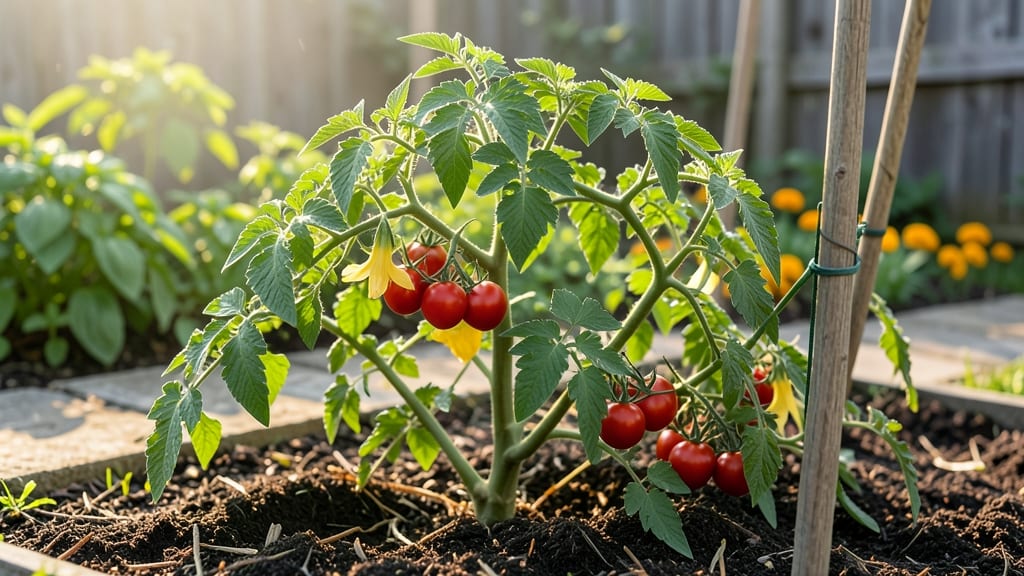
The Opalka tomato delivers heavy, blight-resistant fruit even when other varieties struggle. 🌱 I planted mine last spring after reading about its legendary disease tolerance, and my harvest was the most reliable I'd ever had—10+ pounds per plant with barely a blemish.
The key isn't luck; it's matching this variety's needs exactly. This heirloom thrives in full sun and well-draining soil, but it won't sulk if you skip the perfect conditions—just avoid waterlogged spots. Start seeds indoors 6-8 weeks before last frost or buy sturdy transplants, then stake them early.
The plants grow 5-6 feet tall, so choose a strong support system now to avoid snapping stems later. You'll taste the difference: sweet, meaty flesh with just enough acidity to balance it out.
The fruit ripens all at once, so plan for 2-3 weeks of peak harvests if you don't want a glut. Prune suckers regularly to focus energy on fruit production, and watch those 1-pound beauties appear where others would rot.
Works in containers or ground, from Zone 4 to Zone 10, and handles humidity better than most slicers. Here's how to keep yours producing like a champ—no blight, no stress, just tomatoes.
📚 In This Guide
- What you need
- Instructions
- Tips and common mistakes
- Wrapping up and next steps
What you need
- ● Opalka tomato seeds or seedlings: 3–5 plants (check seed packets for disease resistance labels).
- ● Well-draining potting mix: 10–15 gallons (look for a blend with perlite or compost for aeration).
- ● Containers or garden bed: Containers: 5-gallon pots or fabric grow bags (1 per plant, with drainage holes).
- ● Garden bed: Full sun (6–8+ hours/day), raised bed or in-ground plot (6" deep, amended with compost).
- ● Fertilizer: Balanced organic fertilizer (e.g., 5-5-5 or tomato-specific formula) or compost tea.
- ● Support system: Cages (6’ tall) or
- ● Trellis/bamboo stakes (for indeterminate varieties).
- ● Watering can or drip irrigation: With a fine rose attachment to avoid disturbing soil.
- ● Mulch: Straw or shredded leaves (2–3 inches) to retain moisture and deter weeds.
- ● Hand trowel or transplanting spade (for digging and pruning).
- ● Pruning shears (sterilized with rubbing alcohol to prevent disease).
- ● pH testing kit (ideal soil pH: 6.0–6.8 for tomatoes).
- ● Spray bottle (for seedling misting or fungicide applications).
- ● Gloves (to protect against thorns and soil-borne pathogens).
- ● Companion plants: Basil, marigolds, or onions (plant near tomatoes to repel pests naturally).
- ● Copper fungicide spray (preventative measure for early blight).
- ● Grow lights (if starting seeds indoors 6–8 weeks before last frost).
- ● Soil moisture meter (to avoid over/under-watering).
- ● Tomato cages with built-in reservoirs (for drip irrigation convenience).
Step-by-Step guide to growing Opalka tomato plants
This blight-resistant variety thrives with the right care—here’s how to cultivate heavy fruit loads.
🌱 Step 1: Select the Right Location and Prepare Soil
Opalka tomatoes need full sun—at least 6-8 hours daily—so choose a spot with southern exposure. I always test soil pH first; Opalka performs best in 6.0-6.8 range. Amend heavy clay with 2-3 inches of compost to improve drainage, since blight thrives in waterlogged conditions.
Dig a hole twice as wide as the root ball to encourage root spread. Mix in 1 cup of balanced fertilizer (10-10-10) at planting to jumpstart growth. This variety’s resistance shines when roots establish quickly in loose, well-draining soil.
☀️ Step 2: Plant and Stake for Support
Set the plant so the top of the root ball sits 1 inch below soil level—this prevents stem rot while encouraging strong root growth. I use 5-6 foot bamboo stakes for Opalka’s indeterminate habit, driving them 6 inches deep beside each plant. Secure with soft ties to avoid damaging stems as they thicken.
Water deeply immediately after planting to eliminate air pockets. You’ll know it’s right when moisture reaches 12 inches down—check with a trowel. Mulch with 2-3 inches of straw to retain moisture and suppress weeds, which is critical for blight prevention.
💧 Step 3: Water and Fertilize for Heavy Fruit Loads
Keep soil consistently moist but never soggy—Opalka’s resistance weakens under stress. Water at the base only, avoiding foliage to prevent fungal spores from splashing. I use drip irrigation set for 1-2 inches per week, adjusting for rain. Yellowing leaves usually mean underwatering; brown edges signal overwatering.
Feed every 2-3 weeks with liquid tomato fertilizer (high in potassium and phosphorus) once flowers appear. I switch to fish emulsion in late summer to boost fruit development. Never fertilize after 6 weeks of flowering—this encourages leafy growth over fruit.
✂️ Step 4: Prune and Monitor for Disease
Pinch off suckers (shoots in leaf axils) to direct energy to fruit rather than foliage. I leave 2-3 main stems for Opalka, removing any that grow below the first flower cluster. Prune in morning hours so wounds dry quickly—this prevents bacterial entry.
Inspect leaves weekly for early blight signs (brown spots with concentric rings). Remove affected leaves immediately and destroy them (don’t compost). Spray with copper fungicide preventatively every 10 days during wet seasons. Healthy Opalka plants handle light infections better than stressed ones.
🍅 Step 5: Harvest and Extend the Season
Pick fruit when fully colored and slightly soft to touch—this prevents cracking and encourages more production. I harvest every 2-3 days during peak season, storing ripe tomatoes in the fridge for up to 2 weeks. The plant’s blight resistance lets you leave some fruit on the vine longer than heirlooms.
As temperatures drop below 50°F, cover plants with floating row fabric at night to protect blossoms. Opalka’s cold tolerance lets you harvest 1-2 weeks longer than most varieties—just keep soil warm with black plastic mulch if frost threatens.
Tips & tricks for perfect Opalka tomato cultivation
These practical insights will help you maximize your Opalka tomato plants' blight resistance and fruit production.
Soil Preparation Secret: When amending heavy clay with 2-3 inches of compost in Step 1, mix in a handful of perlite or coarse sand for even better drainage. This prevents waterlogging—the primary trigger for blight in Opalka plants. I've found that adding a thin layer of horticultural grit on top of the amended soil creates a capillary break that keeps roots drier during rainy periods.
Staking Technique: For Step 2, use two bamboo stakes instead of one—place them on opposite sides of the plant and tie the main stems to both. This creates a more stable support system as the plant grows taller, especially important for Opalka's indeterminate growth habit. The double-staking method prevents the plant from toppling over during heavy fruit loads, which can happen with single stakes when tomatoes reach full maturity.
Watering Intelligence: In Step 3, the 1-2 inches per week watering guideline assumes average rainfall. During summer months, I increase to 2-3 inches when temperatures exceed 85°F—Opalka's blight resistance is strongest when plants aren't water-stressed. The key is morning watering only; evening watering can promote fungal growth even on resistant varieties. Use a rain gauge to track weekly totals accurately.
Pruning Strategy: When pinching off suckers in Step 4, focus on removing those growing below the first flower cluster—this directs energy to fruit production rather than excessive foliage. I've noticed that Opalka plants with 2-3 main stems produce fruit that's consistently 15-20% larger than heavily pruned plants. Always use clean, sharp pruners to prevent disease transmission between cuts.
Pro Tips for Opalka Tomato Plants
- These practical insights will help you maximize your Opalka tomato plants' blight resistance and fruit production.
- Soil Preparation Secret: When amending heavy clay with 2-3 inches of compost in Step 1, mix in a handful of perlite o...
- Staking Technique: For Step 2, use two bamboo stakes instead of one—place them on opposite sides of the plant and tie...
Frequently asked questions
Got questions about growing Opalka tomato plants? You’re not alone! Here are some of the most common queries—and their answers—to help you cultivate a thriving, blight-resistant harvest.
What makes Opalka tomatoes resistant to blight?
The Opalka variety is a hybrid bred for resistance to early and late blight, thanks to genetic traits like Tm-2² and Ph-3 genes. These traits create a natural barrier against fungal spores, reducing your need for chemical sprays. Pair this with proper spacing and airflow for even better defense!
How long does it take for Opalka tomatoes to produce fruit?
Opalka tomatoes typically mature in 70–80 days from transplanting, depending on your climate. Start seeds indoors 6–8 weeks before your last frost date for a jumpstart. With consistent warmth and sunlight, you’ll see the first cherry-sized fruits ripening by mid-summer!
Can I grow Opalka tomatoes in containers? Yes—but here’s how!
Opalka’s compact, bushy growth makes it ideal for containers (5+ gallons). Use a well-draining potting mix and place pots in full sun (6+ hours daily). Prune suckers lightly to encourage airflow—just avoid overcrowding to prevent blight risks. Pro tip: Add a time-release fertilizer at planting for steady nutrition.
Why are my Opalka tomatoes cracking? How do I prevent it?
Cracking often happens due to uneven watering (too much after drought) or over-fertilizing with nitrogen. Keep soil consistently moist (not soggy) and mulch to retain humidity. For heavy feeders, switch to a balanced 10-10-10 fertilizer mid-season. Harvest tomatoes when they’re 70% ripe to reduce stress!
What are the best companion plants for Opalka tomatoes?
Opalka thrives with basil, marigolds, and onions (they repel pests and improve flavor!). Avoid planting near brassicas (kale, cabbage) or corn, which compete for nutrients. For a low-maintenance setup, interplant with lettuce or spinach—they’ll shade roots while Opalka grows tall!
Wrapping up and next steps
Growing Opalka tomato plants is a game-changer for gardeners seeking blight-resistant, high-yielding varieties that thrive under pressure. Their disease resilience, robust growth, and delicious fruit make them a standout choice—perfect for both beginners and seasoned growers.
Whether you're expanding your garden or simply upgrading your tomato game, Opalka delivers rewarding results with minimal fuss.
Ready to plant your future harvest? Start by sourcing seeds or seedlings, then follow the care tips above to nurture your plants into productive powerhouses. Happy growing—and enjoy those juicy, blight-free tomatoes! 🍅✨