
Flowers
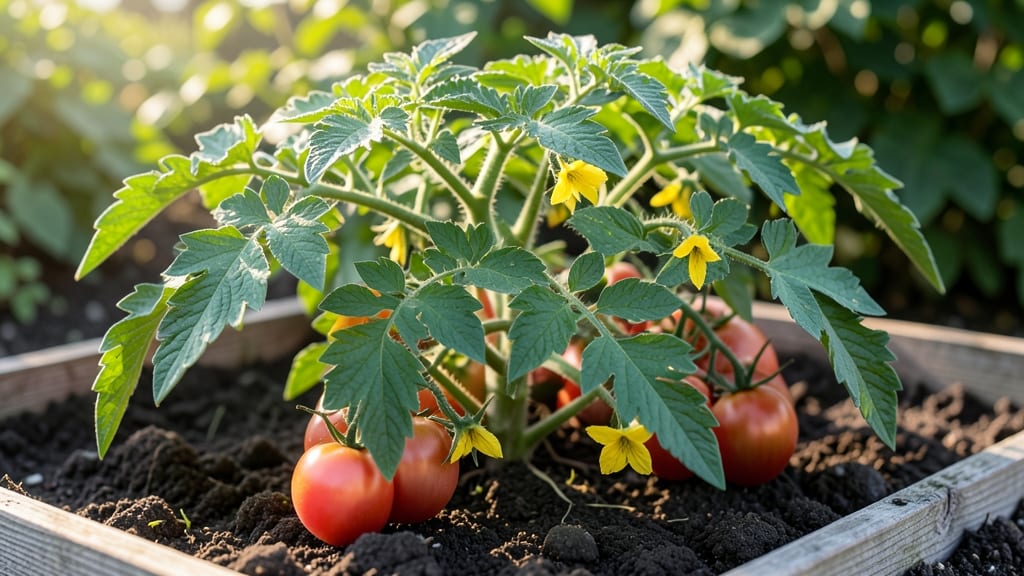
Those velvety pink Brandywine tomato flowers aren't just pretty—they're the secret to your biggest harvest yet. 🌸 I've grown heirlooms for years, and nothing beats the sight of these delicate blooms drawing bees like magnets, each one packing the potential for 20-pound fruits.
The key? Understanding how to protect and encourage them from the first bloom to the last ripe tomato.
Brandywine flowers stand out with their deep pink, trumpet-shaped blooms that open wider than most tomatoes, making them irresistible to pollinators. But here's the catch: their sheer size means they need extra support—whether from wind, rain, or hungry pests.
Prune strategically to balance air flow and sunlight, and you'll see flowers lasting weeks longer than commercial varieties.
What sets them apart is their dual role: each flower becomes a heirloom treasure, while the plant itself becomes a garden showstopper. The secret to maximizing both is keeping flowers healthy—removing suckers early, staking properly, and hand-pollinating if your bees are scarce.
Within 6-8 weeks, you'll go from blooms to harvests that make your neighbors green with envy.
Works perfectly for container growers (use 5-gallon pots) or sprawling vines in raised beds. The flowers alone make it worth growing—imagine a pink cloud of blooms that doubles as your future pantry. Let's make those tomatoes grow!
📚 In This Guide
- What you need
- Instructions
- Tips and common mistakes
- Wrapping up and next steps
What you need
- ● Brandywine tomato seeds or seedlings: Choose heirloom, non-GMO seeds (e.g., from Baker Creek Heirloom Seeds or local nurseries). Quantity: 3–5 seeds per plant (or 1–2 seedlings per pot).
- ● Well-draining potting mix: A blend of 60% peat/compost, 30% perlite/vermiculite, and 10% sand (or store-bought tomato-specific soil). Quantity: 1–2 cubic feet per plant.
- ● Containers or garden bed: Containers: 5-gallon pots with drainage holes (1 plant per pot).
- ● Garden bed: Full sun (6+ hours/day) with loose, fertile soil (amend with 2–3 inches of compost).
- ● Fertilizer: Seedling stage: Balanced 10-10-10 fertilizer (1 tbsp per gallon of water).
- ● Flowering/fruiting: Tomato-specific fertilizer (high in phosphorus/potassium, e.g., 5-10-10 or 2-3-1).
- ● Watering can or hose: With a gentle spray nozzle to avoid disturbing seedlings.
- ● Pruning shears: For trimming suckers and dead foliage (sterilize with rubbing alcohol).
- ● Stakes or cages: 6–8 ft tall (bamboo or metal) to support vines.
- ● Mulch: Straw or shredded leaves (2–3 inches thick) to retain moisture and deter weeds.
- ○ Pollinator-friendly companions: Optional but highly encouraged! Plant basil, marigolds, or borage nearby to attract bees and butterflies. 🐝✨
- ● Row covers: Lightweight fabric to protect young plants from pests (remove during flowering).
- ● Climate: Plant after the last frost (soil temp ≥ 55°F) or start indoors 6–8 weeks before the last frost.
- ● Sunlight: Commit to a full-sun location (no shade!).
- ● Time: Dedicate 10–15 minutes daily for watering, pruning, and monitoring.
How to encourage vibrant Brandywine tomato flowers for pollinators
Here’s how I coax those stunning pink blooms—key to both beauty and fruit set.
🌱 Step 1: Select a Sunny, Sheltered Spot
Brandywines thrive in full sun (6+ hours daily) with protection from harsh winds. I plant mine where morning sun warms the plants gradually—this prevents shock from afternoon heat spikes. The ideal location gets at least 8 hours of light but avoids late-day baking.
Check your site by observing where other tomatoes grow best. If nearby plants show signs of stress (yellowing leaves, stunted growth), move your Brandywines to a slightly shadier spot. These heirlooms reward patience with vibrant, prolific blooms—but only if they’re not fighting for survival.
☀️ Step 2: Provide Consistent Moisture and Fertility
Deep water twice weekly (about 1-1.5 gallons per plant) to keep soil evenly moist but not soggy. I water at the base in the morning so leaves dry quickly—this prevents fungal diseases that smother blooms. Let the top 2 inches of soil dry between waterings; wilting flowers mean it’s too late.
Feed with a balanced organic fertilizer (10-10-10 or compost tea) every 2-3 weeks starting when flowers appear. Too much nitrogen early on = lush foliage but few blooms. I switch to a phosphorus-heavy fertilizer (like 5-10-10) once buds form to encourage flowering.
🐝 Step 3: Attract Pollinators with Companion Plantings
Brandywine flowers need bees to set fruit—plant basil, marigolds, or borage nearby to draw them in. I tuck a few dwarf sunflowers at the edges of my tomato patch; their bright blooms act as beacons. Avoid pesticides entirely—even "organic" sprays can harm pollinators.
If your garden lacks bees, hand-pollinate by gently shaking plants on warm, dry mornings when flowers are open. You’ll know it’s working when you see tiny white tomato fruits forming within 2 weeks of successful pollination.
✂️ Step 4: Prune Strategically for Airflow and Light
Remove suckers (the small shoots between main stems and branches) weekly to redirect energy to flowers. I prune just above a leaf with a clean, sharp pair of scissors—never tear stems, as this invites disease. Keep the plant’s center open so air circulates freely.
Pinch off the first few flowers if your plant looks stressed (pale leaves, slow growth). This forces energy into root and stem development, leading to stronger, more productive blooms later. Once established, let the flowers ripen naturally—they’ll reward you with heirloom-quality tomatoes and stunning pink clusters.
🌿 Step 5: Monitor for Pests and Diseases
Watch for hornworms (green caterpillars with white stripes) munching on leaves and flowers. I handpick them daily—it’s tedious but prevents defoliation. For aphids, spray with neem oil in the evening when bees aren’t active.
Early signs of blossom end rot (dark spots on fruit) mean calcium deficiency. Side-dress with crushed eggshells or apply a calcium supplement. Healthy flowers = healthy fruit, so don’t ignore these cues. A thriving Brandywine plant will produce dozens of blooms per vine by mid-summer.
Tips & tricks for vibrant Brandywine tomato blooms
These practical insights will help you transform your tomato patch into a pollinator paradise with stunning pink flowers and abundant fruit.
Sunlight Strategy: While Brandywines need at least 8 hours of sunlight, the quality matters just as much as quantity. I've found that positioning plants to receive morning sun first creates ideal conditions - the gradual warming helps prevent the shock that can occur from intense afternoon rays. If your garden has afternoon shade, that's actually perfect for Brandywines.
Watering Wisdom: The twice-weekly watering schedule works best when you water deeply at the base - about 1-1.5 gallons per plant. I've learned that morning watering is crucial because it gives leaves plenty of time to dry, which dramatically reduces the risk of fungal diseases that can smother those beautiful blooms. Let the top 2 inches of soil dry between waterings to prevent root rot while maintaining consistent moisture.
Fertilizer Timing: The switch from balanced organic fertilizer to phosphorus-heavy when buds form is critical. Too much nitrogen early on will give you lush foliage but few flowers. I've seen plants with beautiful leaves but almost no blooms when gardeners don't make this switch. The phosphorus boost at bud stage is what triggers that flowering response you're looking for.
Pollinator Partnership: Planting basil, marigolds, or borage nearby isn't just about attracting bees - it's about creating a pollinator ecosystem. I've noticed that when I include dwarf sunflowers at the edges, they act as landing platforms for bees, which then move to the tomato flowers. This simple companion planting can triple your pollination success when bees are active.
Pro Tips for Brandywine Tomato Flowers
- These practical insights will help you transform your tomato patch into a pollinator paradise with stunning pink flowers and abundant fruit.
- Sunlight Strategy: While Brandywines need at least 8 hours of sunlight, the quality matters just as much as quantity.
- Watering Wisdom: The twice-weekly watering schedule works best when you water deeply at the base - about 1-1.5 gallons per plant.
Frequently asked questions
Got questions about Brandywine tomato flowers?
You’re not alone! Here are answers to the most common queries—whether you’re a seasoned gardener or just starting your tomato adventure.
When do Brandywine tomato flowers appear?
Brandywine tomato flowers typically bloom 6–8 weeks after transplanting (or 4–6 weeks from seed, if started indoors). Warm weather (70–85°F) and consistent sunlight (6+ hours daily) trigger blooming. Pro tip: If flowers drop off without fruiting, check for stress (like heatwaves) or nutrient deficiencies—give them a balanced fertilizer to encourage fruit set!
Why aren’t bees visiting my Brandywine tomato flowers?
Bees may avoid flowers if:
- Cold mornings keep them inactive (wait until temps rise above 55°F).
- Pesticides (even natural ones) can repel pollinators—skip sprays while flowers are open.
- Lack of diversity in your garden; plant bee-friendly companions like basil, marigolds, or alyssum nearby.
Hand-pollinate stubborn flowers by gently shaking the plant or using a small brush to transfer pollen.
Can I eat Brandywine tomato flowers?
These edible flowers are mild, slightly sweet, and peppery—perfect for garnishing salads, soups, or cocktails. Harvest them early (before they open fully) for the best flavor. Just rinse well to remove dirt/pesticides. Note: Some people may have sensitivities; test a small amount first!
How long do Brandywine tomato flowers last before wilting?
Individual flowers last 1–3 days post-opening, but the plant produces continuous blooms all season (with proper care). Wilting is normal—focus on removing spent flowers (deadheading) to redirect energy to new blooms and fruit. Warning: If flowers wilt before opening, it could signal blossom end rot (calcium deficiency) or heat stress.
What can I plant near Brandywine tomatoes to improve flower/pollinator health?
Companion plants that boost Brandywine flowers and fruit include:
- Basil (repels pests, enhances flavor).
- Marigolds (deter nematodes, attract bees).
- Nasturtiums (edible, trap aphids).
- Borage (self-pollinating, bee magnet).
Avoid planting fennel or brassy plants, which can stunt tomato growth. Pro tip: Interplant with herbs to create a pollinator highway in your garden!
Wrapping up and next steps
Brandywine tomato flowers aren’t just a feast for the eyes—they’re a powerhouse for pollinators and your garden’s productivity! 🌸 Their striking blooms attract bees and butterflies, ensuring stronger fruit sets and sweeter tomatoes. Whether you’re a seasoned gardener or just starting, these vibrant flowers make growing Brandywines a rewarding experience.
Ready to transform your garden? Start by planting a few Brandywine seeds or seedlings this season and watch your pollinator friends do the rest. Your next step? Share your blooming success with fellow gardeners—every thriving tomato plant helps the community grow!