
Vegetables
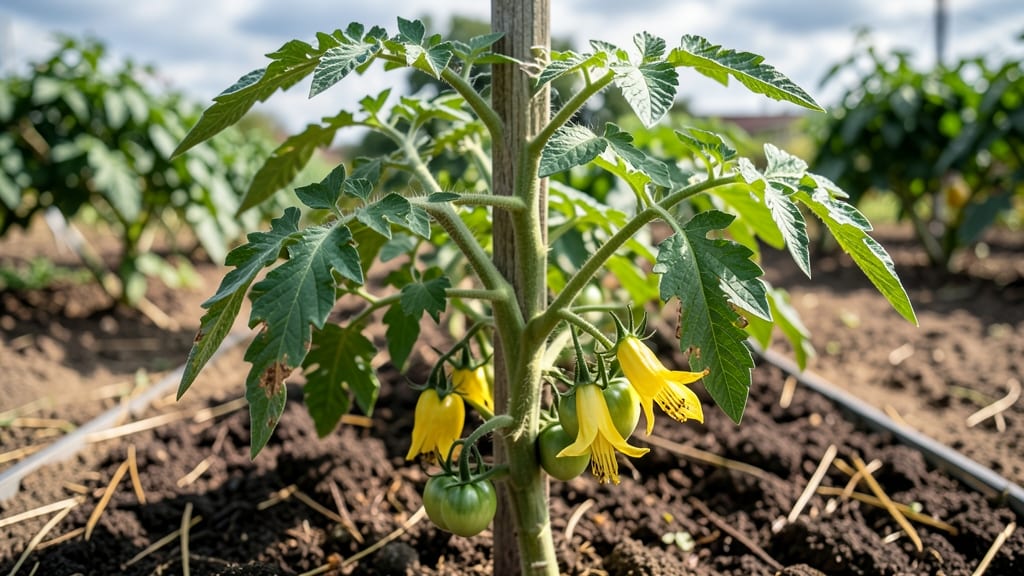
When your tomato flowers refuse to turn into fruit, you're missing one crucial step: pollination triggers that turn blossoms into harvests. 🌱 I've watched dozens of flowers drop off my plants—until I learned the secret signals that kickstart fruit development.
The difference between a sparse harvest and a bursting vine comes down to understanding what your tomato plants really need to set fruit.
Here's the deal: tomato flowers need either wind, bees, or a little human help to transfer pollen. Most home gardeners overlook this step, assuming flowers will magically turn into tomatoes—but without proper pollination, those blossoms simply fall off or shrivel.
The good news? With a few simple tricks—like gentle shaking, strategic hand-pollination, or creating a pollinator-friendly environment—you can transform 90% of your flowers into plump, juicy fruit.
What you'll achieve is a vine heavy with fruit, not just a few stragglers. Imagine picking sun-ripened tomatoes straight from the vine all summer long, with flavors so rich they make store-bought varieties taste bland.
The key is timing: pollination works best on mornings after dew dries, when flowers are fully open and pollen is most active.
This method works for both indoor and outdoor tomatoes, from cherry varieties to beefsteaks. Whether you're dealing with cool mornings that keep bees away or simply want to maximize every blossom, these tricks will turn your garden into a fruit factory. Let's get those flowers producing!
📚 In This Guide
- What you need
- Instructions
- Tips and common mistakes
- Wrapping up and next steps
What you need
- ● Tomato plants (determinate or indeterminate varieties, ideally with open or partially open flowers). Pollination tool: Paintbrush (soft-bristled, like a makeup brush) OR
- ● Cotton swab (sterile, for precision).
- ○ Water spray bottle (for gentle misting, 16–32 oz capacity). Magnifying glass (optional but helpful for spotting tiny flowers or pollen). 🛠️ Tools & Extras Gloves (lightweight, to protect hands from thorns or sap). Notebook & pen (to track pollination dates and fruit development). Pruning shears (for trimming excess foliage or dead flowers, sharp and sterilized). Pollen donor (optional): Another tomato plant (if cross-pollinating varieties) OR
- ● Store-bought tomato (cut open to access pollen).
Step-by-step guide to turning tomato flowers into fruit
Watch your tomato plants transform blossoms into plump, juicy fruit with these proven pollination tricks.
🌱 Step 1: Understand the Pollination Process
Tomato flowers need pollen from the anther (the yellow tip) to reach the pistil (the white center) to set fruit. In nature, bees do this job, but indoor growers or rainy-season gardeners often need to help. The best time to pollinate is morning when flowers are fully open and pollen is fresh.
Look for flowers that have opened completely—you'll see the yellow anthers fully extended. These are ready for pollination. Flowers that stay closed or wilt before opening won't produce fruit, so focus on the healthy, open blooms. This is also when you'll see the most pollen available for transfer.
☀️ Step 2: Use Natural or Assisted Pollination Methods
For outdoor plants, simply give the flowers a gentle shake in the morning when bees are active. Move your hand in small circles near the plant to mimic bee movement. You'll know it's working when pollen dusts your fingers—this means the pollen is loose and ready to transfer.
If you're growing indoors or in poor weather, use a small paintbrush or cotton swab. Gently brush the anthers (yellow tips) of one flower and then touch the pistil (white center) of another. Do this for 5-10 flowers per plant to ensure good fruit set. Avoid pressing too hard—you just need to transfer pollen, not damage the flower.
🌿 Step 3: Monitor for Successful Pollination
Within 3-5 days, pollinated flowers will start to swell slightly at the base. The petals may drop off, leaving behind a tiny green fruit. This is your first sign of success! If flowers stay open for more than 3 days without wilting or dropping, they weren't pollinated properly.
Check for small green fruits forming along the stem. Healthy fruit set means you've got a good start, but keep pollinating as new flowers open. If you see flowers wilting and dropping without fruit, go back to step 2 and pollinate again—sometimes a second attempt works better.
💧 Step 4: Support Fruit Development with Proper Care
Once you see tiny fruits forming, focus on consistent watering and balanced fertilization**. Water deeply at the base of the plant, keeping the soil evenly moist but not soggy. Yellowing leaves or blossom-end rot (dark spots on fruit) are signs of inconsistent moisture or nutrient imbalance.
Feed your plants with a balanced fertilizer (10-10-10 or 5-5-5) every 2-3 weeks during fruiting. Avoid high-nitrogen fertilizers—they encourage leafy growth at the expense of fruit. You'll know your plants are happy when they produce new flowers continuously and existing fruits grow steadily.
⏰ Step 5: Prevent Common Pollination Pitfalls
Watch for overcrowded fruit, which happens when too many flowers set fruit at once. The plant can't support them all, so you'll need to thin fruits to 5-6 per cluster. Leave the largest, healthiest-looking fruits and gently twist off the smaller ones—this ensures the remaining fruits grow bigger and tastier.
If your tomatoes stay small or develop poorly, check for poor pollination, inconsistent watering, or temperature stress. Tomatoes need daytime temperatures between 70-85°F for proper fruit development. If nights drop below 55°F, flowers may drop without setting fruit. Use row covers or move pots indoors if needed to maintain ideal conditions.
Tips & tricks for perfect tomato pollination
Here's what nobody tells you about getting those blossoms to turn into juicy tomatoes—these tricks make all the difference.
Timing is Everything: I can't stress this enough—morning is the absolute best time to pollinate. That's when flowers open fully and pollen is freshest. I've seen people try pollinating in the afternoon and end up with poor fruit set. If you miss morning, wait until flowers are fully open (yellow anthers extended) before attempting pollination. The pollen needs to be active for transfer to work properly.
The Gentle Touch Technique: When using a paintbrush or cotton swab for indoor pollination, be as gentle as a feather. I used to press too hard thinking I needed to force the pollen transfer, but that just damages delicate flower parts. Lightly brush the anthers (yellow tips) and then tap the pistil (white center) like you're dusting with flour. You'll know you're doing it right when you see a faint yellow dust on your brush after a few flowers.
Visual Success Signals: After pollinating, watch for these telltale signs within 3-5 days: petals will start to wilt and drop, and you'll see a tiny green bump where the fruit is forming. If flowers stay open past 3 days without dropping, they didn't get pollinated properly—go back and give them another try. I've had to repollinate stubborn flowers two or three times before they finally set fruit, but persistence pays off with bigger tomatoes later.
Temperature Watch: Tomatoes need daytime temps between 70-85°F to develop properly. If nights dip below 55°F, flowers often drop without setting fruit. I keep a small thermometer near my plants and move containers indoors when temps threaten to drop. For outdoor plants, use row covers at night to maintain warmth. The difference in fruit set is night and day when you maintain these temperature ranges.
Pro Tips for Tomato Flower To Fruit
- Here's what nobody tells you about getting those blossoms to turn into juicy tomatoes—these tricks make all the diffe...
- Timing is Everything: I can't stress this enough—morning is the absolute best time to pollinate. That's when flowers ...
- The Gentle Touch Technique: When using a paintbrush or cotton swab for indoor pollination, be as gentle as a feather....
Frequently asked questions
Got questions about turning those pretty tomato flowers into juicy, red fruits? You’re not alone! Here are answers to the most common queries—because every gardener deserves a bountiful harvest.
Why aren’t my tomato flowers turning into fruit?
If your flowers keep dropping off without fruiting, it’s often due to lack of pollination (especially in greenhouses or rainy weather), stress (like extreme heat or drought), or poor nutrition. Hand-pollinate with a small brush, ensure consistent watering, and fertilize with a balanced feed (like 10-10-10) to encourage fruit set.
How long does it take for tomato flowers to become fruit?
After successful pollination, expect tiny fruit bumps (called ovaries) within 3–7 days. Full-sized tomatoes typically take 25–50 days to ripen, depending on the variety (cherry tomatoes mature faster than beefsteaks). Keep an eye on color changes—green to pink to red (or yellow/purple) signals ripeness!
Can I pollinate tomato flowers without bees?
Use a small paintbrush or cotton swab to transfer pollen from the male anthers (top of the flower) to the female stigma (center). Do this on dry, sunny mornings for best results. Bonus: This works for greenhouse tomatoes or during bee-free seasons.
What’s the best temperature for tomato flowers to fruit?
Tomato flowers thrive in 55–85°F (13–29°C). Below 55°F (13°C), they may drop off (“puffing”), while above 90°F (32°C)shade cloth in peak heat or grow heat-tolerant varieties like ‘Solar Fire’ or ‘Heatmaster’ for better success.
What if my tomato flowers keep falling off?
This is called “blossom drop”, and it’s usually caused by:
- Temperature stress: Too hot or cold.
- Overwatering: Keep soil consistently moist but not soggy.
- Nutrient imbalance: Add calcium (like crushed eggshells) or phosphorus (bone meal) to support fruit development.
- Over-fertilizing with nitrogen: Switch to a low-N, high-P-K fertilizer (e.g., 5-10-10).
Wrapping up and next steps
Transforming a tomato flower into a fruit is a rewarding process that combines a little science and hands-on care! 🌱 By understanding pollination triggers—whether through natural bees, manual assistance, or environmental tweaks—you can unlock a bountiful harvest.
Whether you're a seasoned gardener or just starting, every healthy blossom is a step toward delicious, homegrown tomatoes.
Ready to boost your garden’s success? Start by applying these techniques to your next planting cycle—experiment, observe, and enjoy the fruits (literally!) of your labor. Happy growing! 🍅✨