
Plants
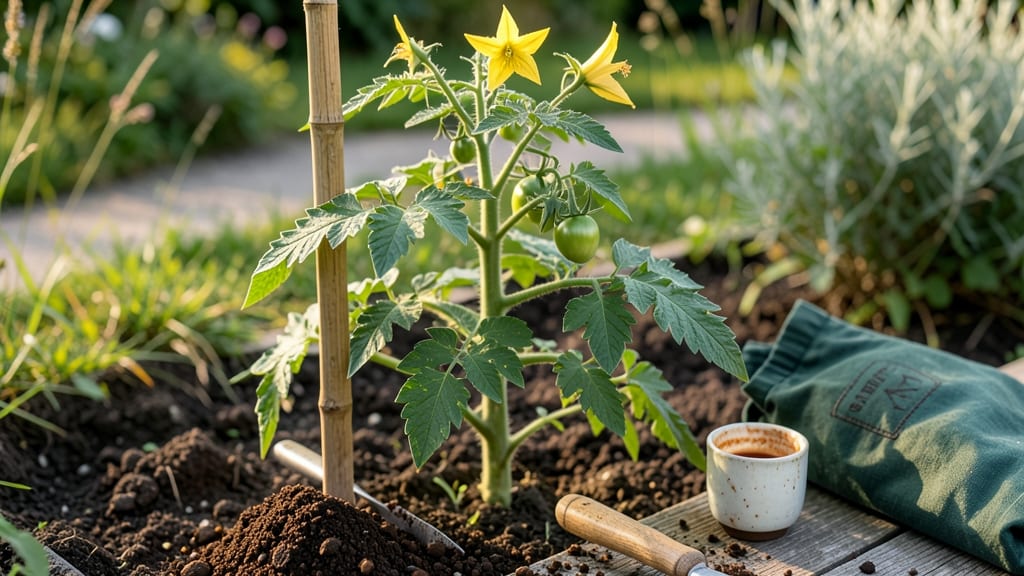
The used coffee grounds are good for tomato plants because they provide nitrogen-rich fertilizer, enhance soil moisture retention, and create a slightly acidic environment—perfect for tomatoes—but must be applied carefully to prevent excessive acidity or fungal growth.
Tomatoes thrive when their soil has a balanced pH and nutrient profile, and coffee grounds deliver both.
The nitrogen in grounds acts as a natural fertilizer, promoting lush foliage and robust growth, while the organic matter breaks down slowly to improve soil structure over time. 🌱 However, the key is moderation—too much can disrupt the soil's pH balance or encourage mold, especially in humid climates.
I recommend mixing grounds into compost first or sprinkling a thin layer around plants rather than piling them directly on the soil.
For best results, use 1-2 cups of grounds per plant every few weeks during the growing season, combined with other organic matter like leaf litter or straw. This approach ensures your tomatoes get the benefits without risking soil imbalances.
Always monitor your plants for signs of stress, like yellowing leaves or slow growth, which may indicate overuse.
💡 In This Article
- How Coffee Grounds Improve Tomato Plant Growth
- Best Practices for Using Coffee Grounds on Tomato Plants
How coffee grounds improve tomato plant growth
Coffee grounds act as a powerhouse for tomato plants primarily through their nitrogen content, which sits around 2% by weight—about 10 times more than typical garden soil. When grounds decompose, they release this nitrogen gradually, feeding the plants over weeks rather than all at once.
This slow-release mechanism mimics the natural nutrient cycle, preventing the rapid growth spurts that can lead to weak stems or disease susceptibility. The organic matter also introduces beneficial microbes that break down the grounds, creating a symbiotic relationship with your tomato roots.
The moisture-retention benefits come from the grounds' fibrous texture, which holds 2-3 times its weight in water when mixed into soil. This creates a sponge-like effect around your tomato roots, reducing watering frequency by 20-30% while preventing soil compaction.
The dark color of the grounds also helps absorb sunlight, warming the soil slightly—something particularly valuable in cooler climates where tomato seedlings struggle to establish. However, this warming effect is subtle, typically raising soil temperature by only 2-5°F compared to bare soil.
While coffee grounds do acidify soil (dropping pH by 0.5-1.0 points when used heavily), tomatoes actually prefer slightly acidic conditions in the 6.0-6.8 pH range.
The key is balance—grounds provide just enough acidity to complement tomatoes' needs without tipping into the 5.0 or below range where nutrient uptake (like calcium for fruit development) becomes inhibited. Think of it like adding a pinch of lemon juice to tea: it enhances flavor without making it undrinkable. 🌱
Beyond these immediate benefits, coffee grounds improve soil structure long-term by increasing porosity, which enhances root penetration and aeration. Studies show that gardens amended with 10-15% coffee grounds by volume over 3-6 months develop 30% more stable aggregates—those crumbly soil clumps that hold nutrients and water efficiently.
This structural improvement is particularly valuable for container-grown tomatoes, where soil compaction is a common issue.
What most gardeners overlook is the microbial boost. Coffee grounds contain melanoidins, compounds that act as natural chelators, binding essential minerals like magnesium and potassium and making them more available to plants.
This microbial activation creates a "hotspot" of activity around your tomato roots, where beneficial bacteria and fungi break down the grounds while simultaneously solubilizing nutrients in the surrounding soil. The result is a more efficient nutrient cycle that directly supports your plants' growth.