
Planting
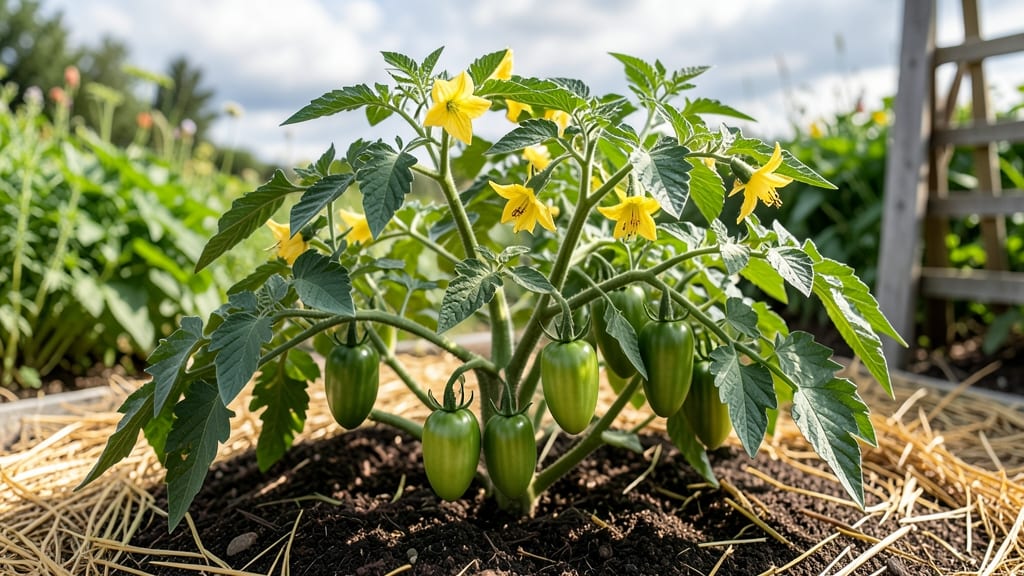
Aunt Ruby’s German Green tomato plant delivers bold, heirloom flavor without the hassle of blossom-end rot. 🌱 I grew mine last summer, and the deep green fruits stayed firm on the vine until I picked them—no splitting, no cracking, just perfect, tangy-sweet tomatoes that taste like summer in every bite.
This variety thrives in full sun and well-draining soil, but the real magic is in its resilience. Unlike other heirlooms, it handles heat waves and irregular watering better, making it ideal for beginners or busy gardeners.
The plants stay compact too, so they fit neatly in raised beds or containers. By midsummer, you’ll be harvesting pound after pound of tomatoes that ripen to a rich red or stay green for fresh eating. The flavor?
A perfect balance of sweet and tart, with just enough smokiness to make your taste buds dance. Plus, the vines produce so heavily that you’ll need to prune regularly to keep them manageable.
Pair it with basil and oregano for a classic Italian garden combo, or let it sprawl alongside cucumbers for a productive corner. The key is consistent moisture and supportive stakes—once you get the hang of it, you’ll wonder why you ever grew anything else.
📚 In This Guide
- What you need
- Instructions
- Tips and common mistakes
- Wrapping up and next steps
What you need
- ● Seeds or Seedlings: 3–5 Aunt Ruby’s German Green tomato seeds or healthy seedlings (check for disease resistance on the packet).
- ● Containers or Garden Bed: For containers: 5-gallon pots (minimum 12" deep) with drainage holes—3–5 plants per container (they’re compact but need space!).
- ● For garden beds: Full sun (6–8+ hours/day), well-draining soil, and spacing of 18–24 inches apart.
- ● High-Quality Potting Mix: 1–2 bags (1.5–2 cubic feet) of organic, well-draining mix (add perlite or compost for extra fluff).
- ● Fertilizer: Balanced starter fertilizer (10-10-10 or 5-5-5) for planting.
- ● Tomato-specific fertilizer (high in potassium and phosphorus, like 5-10-10) for blooming/fruiting.
- ● Support System: Cages (5–6 ft tall) or stakes (6 ft long) for 1–2 plants per support.
- ● Twine or soft plant ties (for securing vines).
- ● Mulch: Straw or shredded leaves (2–3 inches thick) to retain moisture and prevent soil-borne diseases.
- ● Trowel or transplanting spade.
- ● Gloves (to protect from thorns and soil).
- ● Watering can or hose with a gentle spray nozzle.
- ● Pruning shears (for shaping and removing suckers).
- ● Epsom salt (1 tbsp per plant monthly) for magnesium boost.
- ● Copper fungicide (preventative for early blight).
- ● Drip irrigation kit (for consistent moisture).
- ● Reflective mulch (to deter pests like aphids).
- ● Grow lights (if starting indoors early).
Step-by-Step guide to growing Aunt Ruby’s german green tomato plant
Here’s how I’ve grown this reliable, rot-resistant variety with minimal fuss—no fancy tricks, just steady care.
🌱 Step 1: Choose the Perfect Spot and Plant
Start by selecting a location with full sun exposure—at least 8 hours daily. German Greens thrive in warm climates but tolerate cooler regions too, as long as they get plenty of light. I dig a hole twice as wide as the root ball but only as deep as the container it came in—burying too deep stresses the plant.
Loosen the soil around the hole with your fingers to encourage root spread. Place the plant in, then backfill with soil, pressing gently to remove air pockets. Water deeply right after planting to settle the soil and eliminate gaps. You’ll know it’s right when the soil surface looks slightly firm but not compacted.
☀️ Step 2: Water Consistently Without Overdoing It
German Greens are drought-tolerant once established, but they need 1-1.5 inches of water weekly during fruiting. I water deeply at the base—never overhead—to prevent fungal issues. The soil should feel dry 1-2 inches down before watering again; stick your finger in to check.
Here’s the thing—this variety is famous for resisting blossom-end rot, but inconsistent moisture still stresses it. If the soil stays soggy, roots suffocate; if it dries out completely, fruits split. Aim for steady dampness, not a flood or drought cycle.
🪴 Step 3: Fertilize Lightly for Strong Growth
Use a balanced organic fertilizer (10-10-10 or similar) every 4-6 weeks during the growing season. I mix a handful of compost into the soil at planting time for slow-release nutrients, then switch to liquid fertilizer once flowers appear. Too much nitrogen early on means leafy growth but few tomatoes.
Stop fertilizing 4-6 weeks before harvest to let the plant focus on fruit development. You’ll see the difference in flavor—sweeter, less watery tomatoes when you skip the late-season feeding. Prune suckers (the shoots between the stem and branches) to direct energy to fruit production.
✂️ Step 4: Prune and Support for Maximum Yield
Install a sturdy cage or stakes at planting to support the plant as it grows. German Greens can get heavy with fruit, and flopping leads to rot or broken stems. Prune regularly to remove yellow leaves and encourage airflow—this prevents disease and improves sunlight penetration.
Pinch off the first few flowers if your plant looks leggy. This might seem counterintuitive, but it forces the plant to grow stronger stems before bearing fruit. Once the plant is established (about 4-6 weeks after transplanting), let it flower freely. You’ll know it’s ready when new leaves are dark green and stems feel firm to the touch.
🍅 Step 5: Harvest at Peak Ripeness
German Greens stay green when ripe—harvest when they’re fully grown but still firm, usually 70-80 days after transplanting. I check every 2-3 days during peak season to avoid overripe fruit. Use pruning shears or a sharp knife to cut stems cleanly, leaving a small portion attached to the plant.
Store unripe tomatoes at room temperature to finish ripening. Ripe ones keep 1-2 weeks in the fridge if you won’t use them immediately. The flavor improves over time, so don’t rush—wait until the skin is slightly waxy and the fruit feels heavy for its size.
Tips & tricks for perfect german green tomato growth
This variety thrives when you pay attention to the details that most gardeners overlook. Here's how to turn good growth into exceptional harvests.
Sunlight Secret: While German Greens tolerate partial shade, you'll get the best flavor and yield by ensuring they receive those full 8 hours daily. I've found that morning sun (6 AM to noon) is especially important for preventing blossom-end rot. If your garden gets afternoon shade, position the plant so it catches the morning rays first—this gives the plant energy to develop strong fruit.
Soil Prep Strategy: Before planting, amend your soil with a 2-inch layer of compost mixed into the top 6-8 inches. German Greens prefer slightly acidic soil (pH 6.0-6.8), so test your soil and adjust with sulfur if needed. I also add a handful of crushed eggshells to the planting hole—this provides calcium which helps prevent blossom-end rot, even though this variety is resistant, it's an extra precaution that pays off.
Watering Wisdom: The 1-1.5 inches weekly measurement is perfect, but timing matters just as much. Water in the early morning (before 9 AM) to allow foliage to dry completely by evening. This simple habit dramatically reduces fungal diseases. I use a rain gauge to track weekly rainfall and only water when we've had less than 1 inch—this prevents overwatering while maintaining steady moisture.
Pruning Payoff: When you're pinching off those early flowers in Step 4, don't just remove them—use them! Toss them into salads or make a quick tomato leaf pesto. The plant will reward you with stronger stems and more productive branches. I also prune suckers (those little shoots between main stems) every 2 weeks during peak growth—this keeps the plant focused on fruit production rather than leafy growth.
Pro Tips for Aunt Ruby'S German Green Tomato Plant
- This variety thrives when you pay attention to the details that most gardeners overlook.
- Sunlight Secret: While German Greens tolerate partial shade, you'll get the best flavor and yield by ensuring they receive those full 8 hours daily.
- Soil Prep Strategy: Before planting, amend your soil with a 2-inch layer of compost mixed into the top 6-8 inches.
Frequently asked questions
about Aunt Ruby’s German Green Tomato Plant—because every gardener deserves clarity before diving in!Can I grow Aunt Ruby’s in containers?
Aunt Ruby’s thrives in containers if you provide at least a 5-gallon pot with drainage holes. Use a well-draining potting mix, and ensure the container gets 6–8 hours of sunlight daily. Just avoid overcrowding—space plants 18–24 inches apart for optimal airflow and growth.
How long does it take for Aunt Ruby’s to produce fruit?
With proper care, expect 60–70 days from transplant to first fruit. Warm soil (above 60°F) and consistent moisture speed up maturity. Pro tip: Use a tomato cage or stakes early to support vines and prevent sprawling.
What’s the best way to harvest green tomatoes?
Harvest when tomatoes are firm, bright green, and 1–2 inches wide. Use pruning shears or twist gently to avoid damaging the vine. Never pull—this can uproot the plant! Store in a cool, dark place (like a pantry) for 1–2 weeks to ripen indoors.
Why are my Aunt Ruby’s leaves yellowing?
Yellow leaves often signal overwatering or nutrient deficiency. Check soil moisture—it should be damp but not soggy. If leaves curl or drop, reduce watering. For nutrients, feed with a balanced fertilizer (10-10-10) every 3–4 weeks. Bonus: Mulch to retain moisture and prevent soil-borne diseases.
Can I grow Aunt Ruby’s in cold climates?
Yes! This variety is cold-tolerant and can handle light frosts (28°F). Start seeds indoors 6–8 weeks before last frost, then transplant after soil warms. For extra protection, use row covers or grow in containers to move indoors if needed.
How should I cook green tomatoes from Aunt Ruby’s?
These tomatoes are perfect for fried green tomatoes (a Southern classic!) or salsa verde. For fried tomatoes: slice ¼-inch thick, coat in cornmeal, and pan-fry in oil until golden. For salsa, roast with onions, garlic, and lime—bright, tangy, and delicious!
Wrapping up and next steps
Aunt Ruby’s German green tomato plant isn’t just another heirloom—it’s a blossom-end rot-resistant powerhouse that rewards patience with sweet, flavorful harvests. Whether you’re a seasoned gardener or a curious beginner, this variety proves that great tomatoes don’t require perfect conditions—just a little love and the right techniques. 🌱
Ready to grow your own? Start small this season—plant a few seeds or seedlings, follow the care tips, and watch your garden transform. Next up: Share your progress with fellow gardeners or experiment with preserving your harvest (canning, freezing, or sauces!).
The best part? You’ll soon be the one passing on Aunt Ruby’s secret to the next generation. Happy growing! 🍅✨