
Fertilization
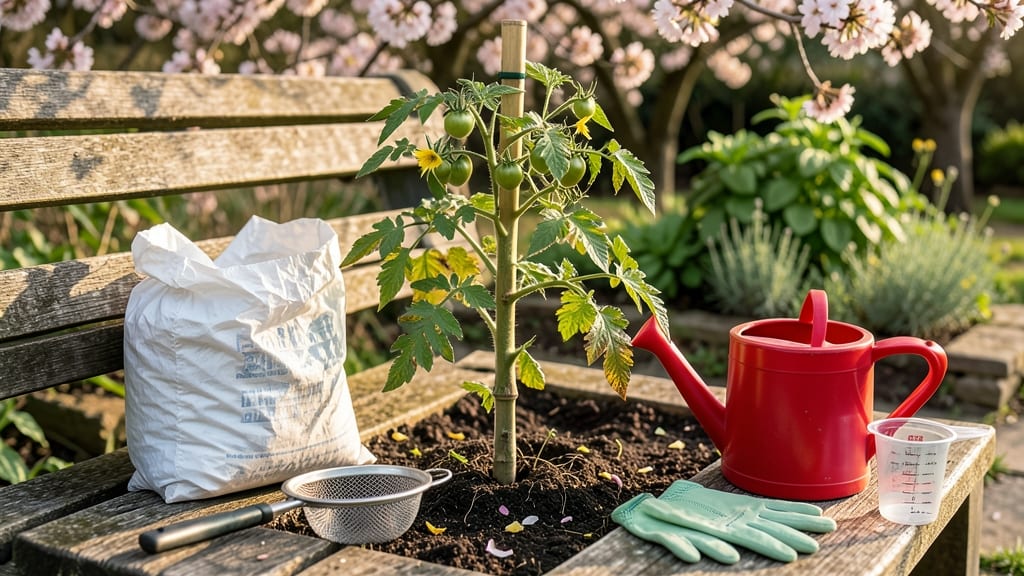
Yellow leaves on your tomato plants might be screaming for magnesium—Epsom salt is the quick fix you need. 🌱 I’ve saved dozens of tomato plants from this telltale sign of chlorosis, and the solution is simpler than you’d think: a few spoonfuls of magnesium sulfate can turn those pale leaves back to vibrant green in just days.
The real culprit is often a soil magnesium deficiency, especially in sandy or alkaline soils. Overwatering or excessive nitrogen fertilizers can also wash away essential nutrients, leaving your plants struggling.
The good news? Epsom salt is a fast, affordable remedy that works in minutes when applied correctly—no fancy tools or gardening degree required.
You’ll see the difference within a week: leaves regain their rich green color, new growth appears stronger, and your tomatoes can focus on producing fruit instead of fighting nutrient starvation. The key is consistency—don’t just treat the symptoms, but also adjust your watering and fertilizing habits to prevent future issues.
This fix works for container gardens, raised beds, and in-ground plants alike. Whether you’re dealing with a single plant or an entire row, the same principles apply—just scale up the dosage. Let’s get those tomatoes thriving again!
Root Causes of Yellowing Tomato Leaves
Yellow leaves on tomato plants are often a distress signal from your plants, and understanding the underlying causes is key to restoring their health. While Epsom salt (magnesium sulfate) can help in some cases, it’s essential to diagnose the real problem first.
Below are the most common reasons your tomato leaves turn yellow—and how to spot them.
Tomato plants thrive when they have the right balance of nutrients, and deficiencies can trigger yellowing leaves. The most common culprits are:
- 📊 Magnesium Deficiency (Chlorosis) Magnesium is crucial for chlorophyll production, and a lack of it causes interveinal yellowing (yellowing between leaf veins while veins stay green). This is where Epsom salt shines—it provides magnesium sulfate, which plants absorb quickly through their roots or leaves.
Test your soil’s magnesium levels (ideal range: 150–300 ppm) to confirm.
- 💪 Nitrogen Shortage (General Yellowing) Nitrogen is the building block of chlorophyll. If older leaves turn uniformly yellow (not just between veins), your plant may be nitrogen-deficient. This often happens in poor or sandy soil or after heavy fruiting.
A balanced fertilizer (like 10-10-10) or compost can help, but avoid overdoing it—excess nitrogen leads to lush foliage but fewer tomatoes!
- 🥗 Calcium Deficiency (Blossom End Rot & Leaf Curl) While calcium deficiency is famous for causing blossom end rot (black, rotten spots on tomatoes), it can also lead to yellowing and curling of new leaves, especially in hot weather.
Calcium helps cell structure, and a lack of it weakens leaves. Crushed eggshells or gypsum (calcium sulfate) are great organic fixes.
Healthy roots need aeration, proper drainage, and the right pH to absorb nutrients. If your soil is compacted or waterlogged, roots suffocate, leading to yellow leaves.
- 🌡️ Poor Drainage & Waterlogging Tomatoes hate "wet feet." If your soil stays soggy, roots can’t get oxygen, leading to yellowing leaves with brown edges (a sign of root rot). Test drainage by digging a hole—if water pools after 30 minutes, amend with sand or perlite to improve airflow.
- ⚖️ Soil pH Imbalance Tomatoes prefer a slightly acidic to neutral pH (6.0–7.0). If your soil is too alkaline (pH > 7.5), nutrients like iron, manganese, and magnesium become unavailable, causing yellowing.
A simple soil test kit ($10–$20) can reveal the issue. To lower pH, add sulfur or peat moss; to raise it, use lime.
- 🔥 Compacted or Clay Soil Dense soil restricts root growth, limiting nutrient uptake. If your garden has heavy clay, mix in compost or coconut coir to loosen it. Raised beds or containers can also improve root health by preventing compaction.
Tomatoes are sensitive to temperature swings, pests, and diseases, all of which can trigger yellow leaves.
- ☀️ Heat Stress & Sunburn In extreme heat (above 90°F/32°C), tomato leaves may yellow and curl upward to reduce water loss. Provide shade cloth (30–50%) during peak afternoon sun and mulch to keep roots cool. Drip irrigation (instead of overhead watering) prevents leaf scorch.
- ❄️ Cold Damage (Early or Late Season) Temperatures below 50°F (10°C) can shock tomato plants, causing yellowing and wilting. If frost is forecast, cover plants with row fabric or move potted tomatoes indoors temporarily.
- 🐜 Pests & Diseases - Aphids, spider mites, or whiteflies suck sap, causing yellowing, curling, or stippling (tiny dots on leaves). Spray with neem oil or introduce ladybugs for natural control. - Fungal diseases (like early blight or septoria leaf spot) create yellow spots with dark borders.
Remove infected leaves and apply copper fungicide preventatively.
Too much (or too little) of a good thing can backfire. Fertilizer burns and imbalances often lead to yellowing.
- 💥 Fertilizer Burn Overapplying synthetic fertilizers (especially high in salt) can burn roots, causing yellowing and leaf drop. Always water deeply before and after fertilizing to dilute salts. Organic options like fish emulsion or worm castings are gentler.
- 🌱 Imbalanced Nutrients If your fertilizer is too high in phosphorus (P) or potassium (K) but low in nitrogen (N), leaves may yellow. Look for a balanced formula (e.g., 5-5-5) or use tomato-specific fertilizer with micronutrients.
Not all yellowing is a cause for alarm! Older, lower leaves naturally turn yellow and drop as the plant redirects nutrients to fruiting branches. This is normal—focus on removing only severely yellow or diseased leaves to keep energy flowing upward.
How to Revive Your Tomato Plants
Yellowing leaves on your tomato plants can be alarming, but the good news is that many causes—from nutrient deficiencies to environmental stress—have simple fixes. Below, we’ve mapped out targeted solutions based on the root cause, along with prevention tips to keep your plants thriving.
Let’s get your tomatoes back to their vibrant, productive best!
If yellowing leaves are due to a lack of essential nutrients, Epsom salt (magnesium sulfate) and balanced fertilizers can work wonders.
🍳 Magnesium Deficiency (Interveinal Chlorosis)
Symptoms: Yellow patches between leaf veins, especially on older leaves. Fix: 1. Apply Epsom Salt Solution 💧
- Mix 1 tablespoon of Epsom salt per gallon of water.
- Spray directly on leaves (focus on undersides) or water the soil at the base.
- Repeat every 2–4 weeks until leaves regain color.
- Boost Soil Magnesium Long-Term - Work 2–3 tablespoons of Epsom salt per plant into the top 6 inches of soil. - Pair with compost or aged manure to improve soil structure and nutrient retention.
💡 Pro Tip: Avoid overusing Epsom salt—too much can disrupt calcium uptake, leading to blossom-end rot.
🌱 Nitrogen Deficiency (Overall Yellowing)
Symptoms: Pale, yellow leaves starting at the bottom of the plant. Fix: 1. Use a Balanced Fertilizer 📊
- Switch to a 10-10-10 or 5-5-5 fertilizer (equal parts nitrogen, phosphorus, potassium).
- Follow package instructions for application rates.
- Organic Boosts - Add blood meal (high in nitrogen) or fish emulsion for a quick fix. - Cover crops like clover can also replenish nitrogen naturally.
✨ Prevention: Side-dress plants with compost every 4–6 weeks to maintain nitrogen levels.
💪 Iron or Zinc Deficiency (Yellowing New Growth)
Symptoms: Young leaves turn yellow while older ones stay green (iron) or stunted growth (zinc). Fix: 1. Chelated Iron Supplement 🔄
- Use a chelated iron fertilizer (e.g., iron sulfate) mixed with water and applied as a foliar spray.
- For zinc, try zinc sulfate (1 tsp per gallon of water).
- Soil pH Check - Test soil pH—iron and zinc are less available in alkaline soil (pH > 7). - Lower pH with sulfur or peat moss if needed.
🎯 Prevention: Mulch with pine needles or coffee grounds to naturally acidify soil over time.
Sometimes, yellow leaves signal environmental issues rather than nutrient problems.
💦 Overwatering or Poor Drainage
Symptoms: Yellowing leaves with soggy soil, wilting, or fungal growth. Fix: 1. Improve Drainage 🏗️
- Amend soil with perlite, sand, or coconut coir to prevent compaction.
- Ensure pots have drainage holes or plant in raised beds.
- Water Smartly 💧 - Water deeply but infrequently (1–1.5 inches per week). - Avoid wetting leaves to prevent fungal diseases like early blight.
🔥 Pro Tip: Stick your finger 1 inch into the soil—if it’s damp, wait before watering.
☀️ Sunburn or Heat Stress
Symptoms: Scorched, crispy yellow edges on leaves, especially in hot afternoons. Fix: 1. Provide Shade Cloth 🛡️ - Use 30–50% shade cloth during peak sun (10 AM–4 PM).
- Mulch Heavily 🌿 - Apply 2–3 inches of straw or wood chips to retain moisture and cool roots.
- Adjust Watering - Water early morning or evening to reduce evaporation.
🌡️ Prevention: Choose heat-tolerant varieties like ‘Solar Fire’ or ‘Heatmaster’ for hot climates.
🌀 Wind or Physical Damage
Symptoms: Ragged, yellowing edges from wind or hail. Fix: 1. Protect Plants 🛡️
- Use windbreaks (burlap screens, tall plants like corn).
- Stake or cage tomatoes to prevent stem damage.
- Prune Carefully ✂️ - Trim only damaged leaves—avoid over-pruning, which stresses plants.
If yellowing is accompanied by spots, holes, or sticky residue, pests or disease may be the culprit.
🐜 Aphids, Spider Mites, or Whiteflies
Symptoms: Sticky leaves (honeydew), yellowing, or webbing. Fix: 1. Blast Off Pests 💦
- Spray with soapy water (1 tsp mild soap per quart of water).
- Introduce beneficial insects like ladybugs or lacewings.
- Neem Oil Treatment 🌿 - Mix 1 tbsp neem oil + 1 tsp soap per gallon of water and spray every 5–7 days.
✨ Prevention: Reflective mulch (aluminum foil) deters whiteflies.
🍄 Fungal Diseases (Early Blight, Septoria)
Symptoms: Yellow spots with dark borders, often on lower leaves. Fix: 1. Remove Infected Leaves 🗑️ - Prune and dispose of diseased foliage immediately.
- Copper Fungicide Spray 🛡️ - Apply copper-based fungicide every 7–10 days as a preventive measure.
- Improve Airflow 🌬️ - Space plants 18–24 inches apart and prune for better circulation.
💡 Pro Tip: Water at the base (not overhead) to keep leaves dry.
To prevent yellow leaves long-term, follow this monthly checklist:
| Task | Frequency | Notes |
|---|---|---|
| Epsom salt foliar spray | Every 4 weeks | Best in early morning or evening. |
| Compost top-dressing | Every 6 weeks | 1–2 inches around (not touching) stems. |
| pH test & adjust | Seasonal (spring/fall) | Ideal pH: 6.0–6.8 for tomatoes. |
| Pest inspection | Weekly | Check undersides of leaves. |
| Prune yellow/damaged leaves | As needed | Promotes airflow and energy focus. |
- Over-fertilize with nitrogen → Can burn roots and worsen chlorosis.
- Ignore soil drainage → Waterlogged roots suffocate plants.
- Use Epsom salt as a sole fertilizer → It’s a supplement, not a complete nutrient source.
- Spray leaves when wet → Encourages fungal growth.
By addressing the specific cause of yellowing leaves and adjusting care accordingly, your tomato plants should bounce back within 2–4 weeks. Keep an eye on progress, and don’t hesitate to rotate solutions if one isn’t working—your tomatoes will thank you with juicy, vibrant harvests! 🍅🌱
Frequently asked questions
How often can I safely use Epsom salt on tomato plants?
For foliar sprays, apply a solution of 1 tablespoon Epsom salt per gallon of water every 2-4 weeks during the growing season. For soil application, work 2-3 tablespoons per plant into the top 6 inches of soil once every 4-6 weeks. Overuse can disrupt calcium uptake, leading to blossom-end rot.
Will Epsom salt work for yellow leaves caused by something other than magnesium deficiency?
No, Epsom salt only addresses magnesium deficiency (interveinal chlorosis). For other causes like nitrogen deficiency (uniform yellowing), poor drainage (soggy soil), or pest damage, you'll need different solutions. Always diagnose the specific issue first by checking leaf patterns and soil conditions.
Can I mix Epsom salt with other fertilizers or supplements?
Yes, but with caution. Epsom salt works well combined with compost or balanced fertilizers (like 10-10-10). Avoid mixing it with high-calcium products (like crushed eggshells) at the same time, as this can create nutrient imbalances. For foliar sprays, apply Epsom salt separately from other supplements.
How quickly should I expect to see results from using Epsom salt?
You may notice improvement in 5-7 days with foliar sprays, though full recovery can take 2-4 weeks depending on plant health. For soil applications, results typically appear within 2-3 weeks. If no improvement occurs after 3 weeks, the yellowing likely stems from another issue.
Is Epsom salt safe for all tomato varieties and growth stages?
Yes, Epsom salt is safe for all tomato varieties and growth stages when used correctly. It's particularly beneficial during fruiting when magnesium demands increase. However, avoid overapplying during hot weather, as it can increase water stress. Always follow the recommended dosage rates.