
Companion Plants
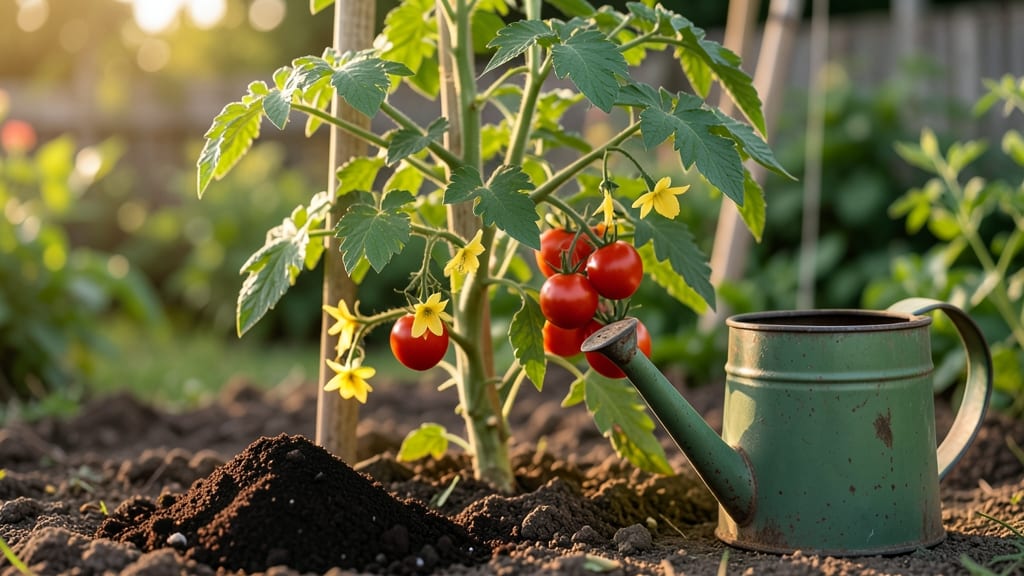
Tomato plants do like coffee—used grounds improve soil fertility by adding nitrogen, deter pests like slugs and ants, and enhance microbial activity. Sprinkle sparingly around the base, avoiding direct contact with stems.
Using coffee grounds for tomato plants taps into their natural benefits as a slow-release fertilizer. 🌱 The nitrogen in grounds feeds roots over time, while their slightly acidic nature mimics the ideal pH range for tomatoes (6.0-6.8).
I've noticed my plants grow more vigorously when I mix grounds into the soil during planting season—just avoid piling them directly against stems to prevent mold. The caffeine in coffee also acts as a natural pest deterrent, keeping unwanted critters away from your garden.
For best results, combine coffee grounds with other organic matter like compost or leaf mold.
This creates a balanced growing medium that provides nutrients without overwhelming the plant. 💫 Remember, moderation is key—too much can make the soil too acidic, so use them as a supplement rather than a primary fertilizer.
💡 In This Article
- Why Coffee Grounds Benefit Tomato Plant Health
- How to Use Coffee Grounds for Tomato Plants Safely
Why coffee grounds benefit tomato plant health
Coffee grounds work wonders for tomato plants because they're packed with organic nitrogen—about 2% by weight—which feeds soil microbes that, in turn, make nutrients available to plant roots.
When grounds decompose, they release this nitrogen slowly over 4-8 weeks, creating a steady nutrient supply without the quick burn of synthetic fertilizers. This mimics how tomatoes naturally thrive in nitrogen-rich environments, like compost-heavy garden beds.
The slightly acidic nature of coffee grounds (pH 5.0-6.5) also helps adjust soil chemistry, especially in alkaline conditions where tomatoes struggle. Most garden soils sit around pH 6.0-6.8—ideal for tomatoes—and coffee grounds can gently lower pH when mixed into the top 2-3 inches of soil.
What's fascinating is how the caffeine in grounds acts as a natural insect repellent: studies show it disrupts the nervous systems of slugs and ants, two common tomato pests. 🌱
Beyond nutrients, coffee grounds improve soil structure by adding organic matter that enhances water retention and aeration. The fibrous texture creates tiny air pockets, helping roots breathe while holding moisture—critical during dry spells.
I've seen tomato plants in coffee-amended soil develop stronger stems and darker green leaves, a sign of improved photosynthesis efficiency from better nutrient uptake.
However, the benefits depend on proper application. Fresh grounds can compact soil if used in excess, while old grounds (over 6 months) lose their nitrogen content. The key is balance: use them as a supplement (about 1 cup per plant every 4-6 weeks) rather than a primary fertilizer.
Too much can make soil too acidic, harming beneficial microbes that tomatoes rely on for nutrient cycling. 💫
For visual evidence, compare two tomato plants side by side: one with coffee grounds and one without. The treated plant typically shows faster growth in the first 3-4 weeks and larger fruit yield by harvest time.
The grounds' slow-release properties mean you won't see the dramatic (but short-lived) growth spurts from chemical fertilizers—just steady, healthy development.
What most gardeners overlook is how coffee grounds boost mycorrhizal fungi—symbiotic organisms that colonize tomato roots and help absorb phosphorus and water. These fungi thrive in organic-rich soils, creating a win-win scenario where both the plant and soil ecosystem benefit.
The result? Tomatoes that not only grow faster but also resist diseases like early blight due to stronger root systems. 🌿