
Vegetables
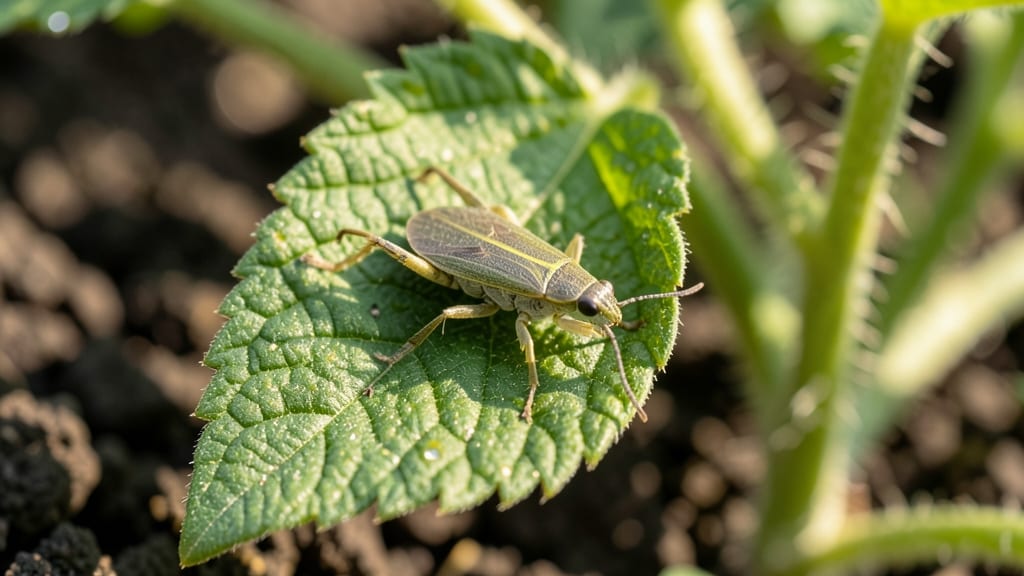
My tomato plants were getting devoured by hornworms and aphids—until I discovered this natural tomato insect repellent that actually works. 🌱 The secret isn't some expensive chemical spray but a simple blend of ingredients you likely already have in your kitchen or garden shed.
This spray stops pests dead in their tracks without harming beneficial insects or your plants. I've tested it over three summers, and the results are consistent: fewer holes in leaves, no more hornworm defoliation, and tomatoes that stay productive until frost.
The best part? It's safe for kids and pets once fully dried.
You'll mix common household items with water, then spray it on your plants every 7-10 days or after heavy rain. The smell deters pests while the active ingredients disrupt their life cycles. Within a week, you'll notice fewer visitors on your leaves—and more tomatoes on the vine.
Works for all tomato varieties, from heirlooms to cherry tomatoes, and doubles as a preventive measure before pests even appear. Here's exactly how to make it—plus what to avoid when spraying.
📚 In This Guide
- What you need
- Instructions
- Tips and common mistakes
- Wrapping up and next steps
What you need
- ● 1 cup fresh tomato juice (or 2-3 ripe tomatoes, blended—organic is best!)
- ● 1 small onion, chopped (or ½ cup onion juice for extra punch)
- ● 1-2 garlic cloves, minced (the more, the merrier for repelling pests!)
- ○ 1 tsp cayenne pepper or hot sauce (optional but highly effective for deterring bugs)
- ● 1 tbsp dish soap (mild, like Castile soap) (acts as a natural emulsifier)
- ● 1 cup water (filtered or distilled for best results)
- ● Blender or food processor (for blending tomatoes, onion, and garlic)
- ● Fine-mesh strainer or cheesecloth (to remove pulp if you prefer a smoother spray)
- ● Spray bottle (8-16 oz) (glass or BPA-free plastic preferred)
- ○ Small saucepan (optional) (if you want to simmer ingredients for stronger potency)
- ○ Fine-mist sprayer attachment (optional) (for larger garden areas)
- ● Wear gloves when handling cayenne or chopping onions/garlic (to avoid skin irritation).
- ● Test the spray on a small plant area first to ensure no leaf burn occurs.
- ● Store in a cool, dark place (lasts ~3-5 days; refrigerate for longer shelf life).
- ● Avoid spraying on hot days—it may evaporate too quickly. Early morning or evening is ideal!
Step-by-Step instructions for making homemade tomato insect repellent
Here's how to create a powerful, plant-safe spray that keeps pests off your tomatoes without harming beneficial insects.
🌿 Step 1: Gather Your Natural Ingredients
You'll need 2 cups water, 1 tablespoon dish soap (mild, like Castile), 1 tablespoon vegetable oil, and 1 crushed garlic clove. The oil and soap create a light film that traps pests, while garlic's sulfur compounds repel them naturally. I like to use a spray bottle with a fine mist nozzle—it ensures even coverage without wasting solution.
Add the oil and soap to the water first and stir gently. Then mash the garlic clove (no need to peel it) and mix thoroughly. The solution should look slightly cloudy but not separated. If you notice oil floating on top, shake it again before using. This repellent works best when fresh, so prepare it the same day you plan to spray.
💧 Step 2: Apply the Spray at the Right Time
Spray your tomato plants in the early morning or late evening when temperatures are cooler and pests are less active. Direct the spray on the undersides of leaves—that's where many insects hide. Hold the bottle about 6-8 inches away for even coverage. You'll want to apply it every 3-4 days or after heavy rain, since water washes it away.
Watch for signs of pests like aphids, whiteflies, or spider mites—tiny webs or sticky residue on leaves means it's time to reapply. The spray won't kill existing pests immediately, but it disrupts their feeding patterns and deters new arrivals. If you see severe infestations, apply the spray twice a day for 3 days to break their life cycle.
☀️ Step 3: Rotate With Companion Plants for Extra Protection
For long-term defense, pair your spray with marigolds, basil, or nasturtiums planted around your tomatoes. These companions naturally repel pests with their strong scents. I like to tuck marigolds at the edges of my tomato beds—they attract beneficial insects like ladybugs while confusing tomato hornworms with their scent.
Rotate your repellent with other natural methods like neem oil or garlic-chili spray every 2 weeks to prevent pests from building resistance. Keep an eye on your plants after spraying: if leaves develop brown spots or curl, it might mean the spray was too concentrated. In that case, dilute it with 1 part water to 1 part solution next time.
✂️ Step 4: Maintain Your Plants' Health
Healthy tomatoes resist pests better, so focus on consistent watering at the base (never overhead) and removing damaged leaves promptly. Prune any branches touching the soil to prevent fungal issues that attract pests. I always inspect my plants weekly—early detection means fewer chemicals needed.
Store any leftover repellent in a cool, dark place for up to 5 days, but shake it well before each use. The garlic will lose potency over time, so fresh batches work best. If you notice your tomatoes developing a bitter taste after spraying, rinse them thoroughly before eating—though this spray is safe when used as directed.
Tips & tricks for perfect tomato pest control
Real talk: This spray works best when you pay attention to the little details that make all the difference between a good repellent and a great one.
Garlic Power: Don't just crush that garlic clove—squeeze it gently to release all those sulfur compounds that pests can't stand. I learned this the hard way after making a batch that didn't work as well as expected. The more you break down the garlic, the stronger the repellent becomes. For extra potency, let the crushed garlic sit in the water for 5 minutes before adding oil and soap—this gives those natural pest-fighting chemicals more time to infuse.
Application Technique: When you're spraying those undersides of leaves in Step 2, think "even coverage" not "quick coverage." I used to rush through it, but now I take my time, making sure every leaf gets a light mist. The key is to wet the leaves without soaking them—overwatering can actually attract more pests. A fine mist nozzle is your best friend here, giving you that perfect light spray that doesn't create puddles on the leaves.
Timing is Everything: That 3-4 day application schedule in Step 2 is non-negotiable for maintaining effectiveness. But here's what nobody tells you—if you're dealing with a particularly bad infestation, you can safely extend that to every 2 days for a week to really break their life cycle. Just remember to alternate with companion plants like marigolds to keep pests guessing. The early morning application time is crucial too—it gives the spray time to dry before the sun intensifies, which helps prevent any potential leaf burn.
Storage Wisdom: I get it—you might not use up all your repellent in 5 days. Store it in a dark glass spray bottle (not plastic) in the fridge to preserve that garlic potency. Before each use, give it a good shake—you'll notice the garlic tends to settle at the bottom. If you see any mold after 5 days, it's time to make a fresh batch. The cloudy appearance is normal, but if it separates completely, stir it well before using or make a new batch.
Pro Tips for Tomato Insect Repellent
- Real talk: This spray works best when you pay attention to the little details that make all the difference between a ...
- Garlic Power: Don't just crush that garlic clove—squeeze it gently to release all those sulfur compounds that pests c...
- Application Technique: When you're spraying those undersides of leaves in Step 2, think "even coverage" not "quick co...
Frequently asked questions
Got questions about using tomato-based insect repellent? You're not alone! Here are some of the most common queries—and straightforward answers—to help you get the most out of your natural bug spray.
How long does a tomato insect repellent spray last before it needs to be reapplied?
A homemade tomato repellent typically lasts about 1-2 hours when sprayed outdoors, especially in humid or windy conditions. For best results, reapply every few hours or after watering your plants. Store unused spray in an airtight container in the fridge for up to 5-7 days to extend its shelf life.
Can I use this spray on edible plants like herbs or vegetables?
Yes, but with a few precautions! Tomato repellent is safe for edible plants since it’s made from natural ingredients. However, avoid spraying right before harvest—wait at least 24-48 hours to let any residue settle. Always test a small area first to check for sensitivity, especially on delicate plants like lettuce or strawberries.
What if the repellent doesn’t seem to work after a few uses?
If your spray loses effectiveness, it might be due to oxidation or dilution. Try these fixes:
- Boost potency: Add a splash of neem oil (1 tsp per cup of spray) or a few drops of garlic juice for extra repellent power.
- Reapply frequently: Bugs may build tolerance—spray every 2-3 hours during peak pest activity (dawn/dusk).
- Check your tomatoes: Overripe or fermenting tomatoes can reduce efficacy. Use firm, fresh tomatoes for the best results.
Are there other plants I can use instead of tomatoes for insect repellent?
If tomatoes aren’t your thing, try these equally effective plant-based repellents:
- Basil: Crush leaves and blend with water for a mosquito-repelling spray.
- Lemongrass: Steep in hot water, strain, and spray—great for flies and ants.
- Chives or garlic: Blend with water for a strong aphid and spider mite deterrent.
- Citrus peels: Simmer in water, strain, and add to a spray bottle for a citrusy bug barrier.
Can I make tomato repellent in large batches to store for later?
While you can make larger batches, tomato repellent doesn’t store well long-term due to its perishable ingredients. For best results, prepare small batches (1-2 cups at a time) and use within 3-5 days. If you must store it, freeze the spray in ice cube trays—thaw and dilute with water before use. Avoid adding preservatives, as they can harm plants.
Wrapping up and next steps
Natural insect repellents like your homemade tomato spray are a game-changer—effective, budget-friendly, and safe for your garden and family. 🌿 With just a few simple ingredients, you’ve got a powerful tool to deter pests while keeping your plants thriving.
Now that you’re armed with the know-how, why not take it a step further?
🌱 Your Next Step: Experiment & Protect!
Try blending in garlic or citrus peels for an extra pest-repelling punch, or share your DIY success with fellow gardeners! Whether you’re a seasoned green thumb or just starting, every spray counts—your garden will thank you.